
6, April 2026
Congo’s World Cup extended celebration triggers growing tensions in Spain 0
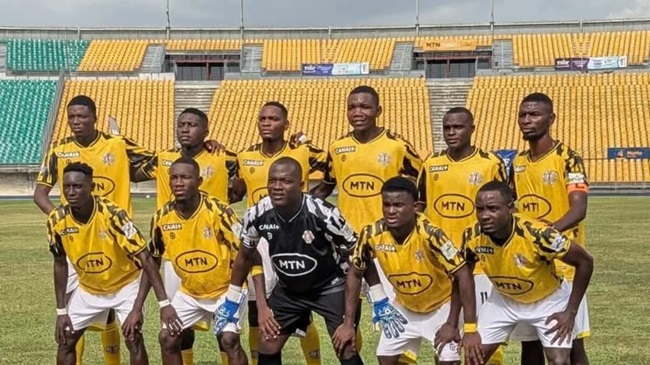
Three Spanish clubs have formally lodged complaint with La Liga against the DR Congo national team after several players failed to return on time following the country’s qualification for FIFA World Cup.
Real Betis, Espanyol and Elche jointly submitted the complaint to La Liga which is expected to escalate the matter to the Spanish Football Federation and inform as tensions grow over what clubs see as a breach of international regulations.
Players absent days after qualification
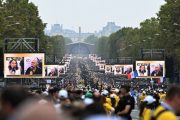
DR Congo secured their place at the 2026 World Cup — set to take place in June across the United States, Canada and Mexico — marking their first appearance in the tournament in more than five decades.
However, the celebrations that followed have created friction.
Several Congolese internationals, including Cédric Bakambu (Real Betis), Yannick Bolasie Dianagana (Elche), and Leandro Bikél (Espanyol), have yet to return to their clubs days after qualification. All three players have already missed official matches, raising concerns among their teams.
According to reports, the Congolese Football Federation kept the squad in the country to take part in extended celebrations, delaying their release.
He added that the case has now been referred to FIFA’s disciplinary bodies warning that such actions could set a dangerous precedent.
“An unusual situation” says Espanyol coach
Espanyol manager Manolo González also expressed frustration ahead of his side’s recent fixture against Real Betis.
Source: Foot Africa














6, April 2026
Planet Labs withholds US military loss imagery upon Trump censorship request 0
Satellite imaging company Planet Labs says it will indefinitely withhold visuals of American military losses to comply with a censorship request from US President Donald Trump amid the ongoing US-Israeli aggression against Iran.
In an email to customers on Saturday, the US company announced that the Trump administration had asked satellite imagery providers to impose an “indefinite withhold of imagery.”
Planet Labs further said that it would now switch to a “managed distribution of images” deemed not to pose a risk to safety.
The firm, which was founded in 2010 by former NASA scientists, will release imagery on a case-by-case basis for urgent, “mission-critical requirements or in the public interest.”
“These are extraordinary circumstances, and we are doing all we can to balance the needs of all our stakeholders,” the California-based firm said.
The restriction expands upon a 14-day delay on imagery of the Persian Gulf and West Asia region that Planet Labs implemented last month, which extended an initial 96-hour delay.
The firm said the move was meant to “prevent adversaries from using the imagery to attack the US and its allies.”
Planet Labs said it will withhold imagery dating back to March 9 and that it expects the policy to remain in effect until the end of the war.
The US and Israel started a fresh round of military aggression against Iran on February 28, some eight months after they carried out unprovoked attacks on the country.
The US-Israeli aggression led to the martyrdom of the Leader of the Islamic Revolution, Ayatollah Seyyed Ali Khamenei, and hundreds of Iranian civilians, including women and children, as well as several senior military commanders.
Iran began to swiftly retaliate against the strikes by launching barrages of missiles and drone attacks on Israeli-occupied territories as well as on US bases and interests in regional countries.
Source: Press TV