
15, August 2018
From Nigeria to Iran, nations begin ditching dollar 0
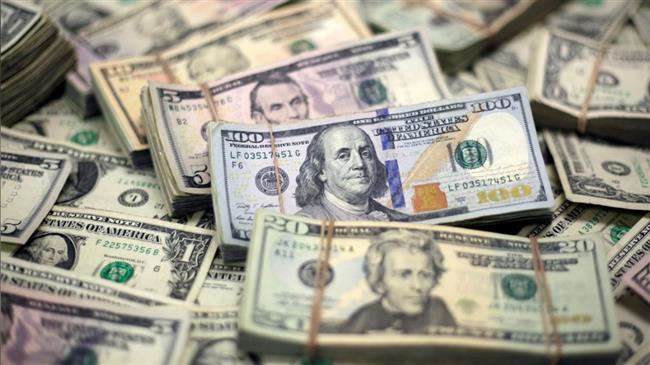
The number of countries switching to national currencies to settle bilateral trade deals is growing in the face of the US weaponization of the dollar.
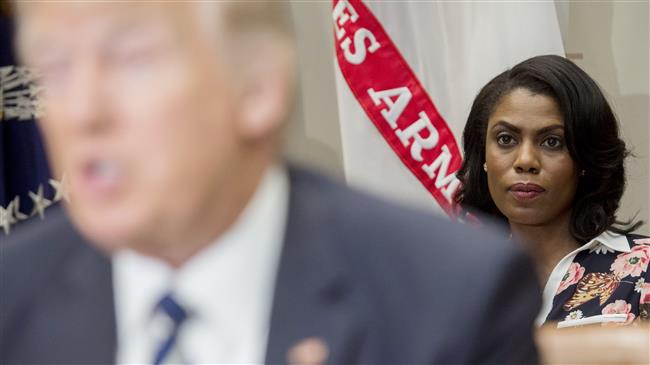
When US President Donald Trump re-imposed sanctions on Iran last week, he warned that any company doing deals with the Iranians in dollars would also be subject to sanctions.
Several Russian companies are also under US sanctions, while Trump’s tweet last week doubling tariffs on imports of Turkish steel has caused Turkey’s currency to crash more than 20 percent against the US dollar.
On Tuesday, Russian Foreign Minister Sergei Lavrov and his Turkish counterpart Mevlut Cavusoglu said they backed using national currencies, not the US dollar, in bilateral trade.
Lavrov told a joint news conference with Cavusoglu in Ankara that identical processes have been happening in trade with Iran.
“Not only with Turkey and Iran, we’re also arranging and already implementing payments in national currencies with the People’s Republic of China,” he said.

Iran and Turkey are already using national currencies following an agreement last October, with a similar arrangement also in place between Iran and India.
Lavrov echoed statements by Russian President Vladimir Putin, saying he was confident “the grave abuse of the role of the US dollar as a global reserve currency will result over time in the weakening and demise of its role.”
There have already been settlements in national currencies between Russia and the BRICS – the bloc that also includes Brazil, India, China and South Africa.
Elsewhere across the world, Nigeria has introduced China’s yuan as an alternative trading currency to the US dollar.
Last month, Nigeria’s central bank sold yuan at its first auction of the Chinese currency, two months after it agreed a $2.5 billion swap with Beijing.
Nigeria is Africa’s biggest nation by population and its largest economy due to its oil exports. The OPEC member imports heavily from China which is Nigeria’s biggest trading partner after the US.
Trade volumes between China and Nigeria totaled $9.2 billion in 2017, with the African country running a big deficit through its $7.6 billion imports.
China has also signed a three-year swap worth $4.8 billion with South Africa and similar deals with other emerging markets, some of which have been selling renminbi in businesses.
Moreover, an unfolding trade war between the US and China is taking its toll on their bilateral trade while American sanctions on Iran are raising interest in oil trade in yuan.

China has threatened to retaliate by slapping duties on several American commodities, including oil which has been flowing in greater volumes to the world’s biggest consumer of crude in recent years.
According to energy experts, a cut in Chinese purchases of US oil may boost Iran’s sales, which Washington is trying to curb with new sanctions due to “snap back” on November 4.
China’s launch of yuan-denominated Shanghai futures in March has created a lot of enthusiasm among international companies seeking to tap the Asian nation’s bustling commodity markets.
Experts say the new futures contract traded on the Shanghai International Energy Exchange is now on course to become an alternative international oil benchmark not priced in dollars.
Source: Presstv



















15, August 2018
Facebook support’s the next generation of creative talent at The Loeries Awards 2018 0
For the third year running, Facebook (www.Facebook.com) is sponsoring the annual Facebook Challenge as part of the Student Category at The Loerie Awards 2018 – Africa and the Middle East’s premier award that recognises, rewards, inspires and fosters creative excellence in the advertising and brand communication industry. During Loeries Creative Week, Facebook and Instagram will also host a series of workshops, hackathons and activations for the creative community – including advertising students – and a special event for women in marketing.
For this year’s student challenge, Facebook partnered with the International Federation of Red Cross to provide a creative brief on helping to tackle the cholera crisis on the continent. Students from across Middle East and Africa were challenged to create an impactful mobile-first campaign for Facebook and Instagram that educates at-risk communities around preventing the spread of the disease. Facebook’s Creative Shop team also provided ongoing support to students entering the category, tutoring and mentoring them in understanding how to create ‘thumb-stopping’ mobile content that grabbed the users eye.
As part of the competition, the winning team will be crowned ‘the Facebook Challenge Winners of 2018’ and will also be provided with an all-expenses paid trip to Loeries Creative Week to collect their coveted award, at an exclusive ceremony on 17 August. The final campaign will then be featured on Facebook and Instagram.
“Digital plays a huge part in all of our lives, and to make the most of it, creative agencies across Africa need to continue to tap into creative talents that understand building for the digital age, and the needs of the next billion users coming online,” said Nunu Ntshingila, Regional Director at Facebook Africa. “Our partnership with The Loeries for the third year running, reinforces our commitment in nurturing young, creative and diverse talent, who are passionate about creating powerful mobile-first campaigns that resonate with users.”
Last year’s Facebook Challenge winners – Peni Buckton, Lunje Jwambe and Claudia Bester from AAA Advertising School in Cape Town – worked on a campaign for The Nelson Mandela Foundation to tackle gender diversity. Their winning concept, Everyday Armour, saw them create a series of fashion ads encouraging women to buy items such as a ring that can spray pepper, or a pair of high heels that can also be turned into a self-defense weapon, highlighting the fact that women should not be “dressed’ to be ready for assault.
Distributed by APO Group on behalf of Facebook.