
27, June 2021
Biya regime told to stop the ban on vital medical services in Southern Cameroons 0
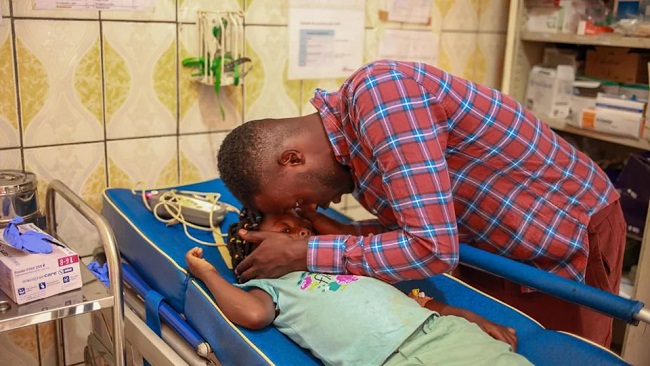
International medical charity Doctors Without Borders (MSF) has called on the Cameroonian government to lift the ban on providing free, essential medical care in the restive Anglophone North-West region of the country after they were blocked more than six months ago. The government had accused MSF of being too close to separatists in the area.
“That is clearly ungrounded,” says Emmanuel Lampaert, MSF Operations Coordinator for Central Africa, talking about the government’s justification for pulling MSF’s authorization to work in the region.
“Whatever there may be in terms of perceptions or accusations or grievances, what rationale can justify this ongoing suspension and this blow for vital support? Access to care should not be denied,” he tells RFI.
The numbers of people treated in 2020 underlines the importance of their free services to the North-West Region: MSF teams provided more than 42,500 medical consultations, performed nearly 3,300 surgeries, and dealt with at least 4,400 patients who had been referred to MSF’s free, 24/7 ambulance service.
“Our ambulance call center continues to receive emergency requests, which they are forced to decline,” he says.
MSF is one of the few medical NGOs in the region, a conflict zone since late 2017. Described as the “Anglophone crisis”, fighting kicked off after peaceful protests by teachers and lawyers in Bamenda, the capital of North-West Cameroon. Demonstrations were violently quashed by Cameroonian security forces.
Protests sparked over anger about the perceived marginalization by the Francophone ruling majority, especially over the use of French in the legal and education systems.
The violent quelling of demonstrations propelled some Anglophone separatists to take up arms against the security forces, later making a self-declaration of independence for so-called Ambazonia. Fighting continues between separatists and government security forces, with civilians caught in the crossfire and accusations of human rights abuses committed by both sides.
Healthcare and medical training impacted
In a conflict zone like North-West Cameroon, the lack of basic health services, such as treatment for diarrhea, respiratory tract infections, and malaria, has contributed to a major health crisis.
Additionally, MSF treated 180 survivors of sexual violence last year, and helped more than 1,000 women with obstetrical emergencies. Many residents are living in the bush, because they fear for their lives, forced to flee their homes. Unsanitary conditions in the bush have also exacerbated health issues.
Part of MSF’s remit in the region is the training and equipping of community health workers, which has also been halted by the government, says Lampaert.
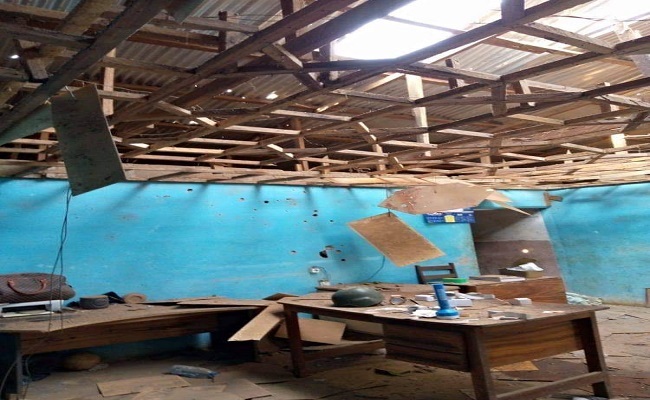
Health workers, both local and foreign, have been subject to attacks, as both the government and separatists accuse people who are trying to provide healthcare of taking sides in the conflict.
“Where is the interest? What justifies all of this?” says Lampaert, exasperated, adding that people in the region describe ongoing harassment.
“It’s continuing, and at moments, it’s increasing with high insecurity, regular attacks and intimidation against medical staff… and meanwhile the humanitarian and health needs have surged during the past years due to this armed violence, so there is a difficult equation there,” he adds.
Lampaert says MSF has made an effort to respond to all accusations of bias and has presented this to the government in Cameroon.
“But in the end, there’s been no clear signal, and access is still denied. At six months, suspension [of MSF’s activities] is ongoing and we ask for it to be lifted,” he says.
Source: RFI













27, June 2021
CPDM Crime Syndicate embraces China and pays price with Australia’s Sundance Resources 0
Cameroon signed a deal on Friday with two China-linked companies to construct a railway from the coast to a large cross-border iron deposit, the state broadcaster said, even as it faces legal action over the project from Australia’s Sundance Resources.
Sundance has filed for international arbitration and billions of dollars in damages, saying Cameroon and Congo Republic have violated contracts by developing the Mbalam-Nabeba project with Chinese investors.
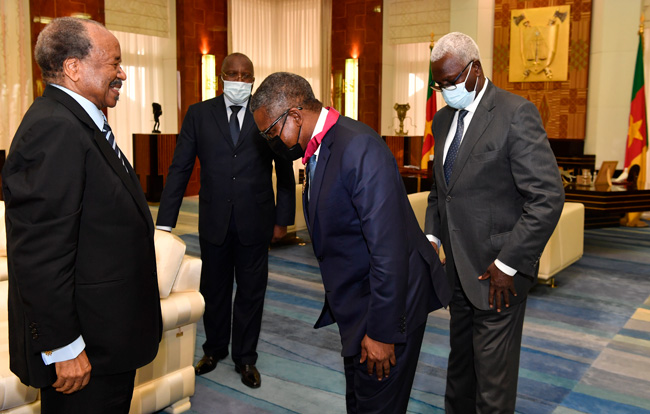
Cameroon’s mines minister and transport minister signed the memorandum of understanding to construct the rail link from Mbalam to the southern port of Kribi with representatives of Aust-Sino Resources and Bestway Finance, the state broadcaster CRTV said in a post on Twitter.
The ministries did not respond to a request for comment.
Bestway Finance is registered in Hong Kong. Mining company Aust-Sino is based in Australia, but some of its board members have close links to China, according to its website.
Aust-Sino, which was a major backer of Sundance until last year, did not respond to a request for comment. Bestway could not be reached.
Congo Republic revoked Sundance affiliate Congo Iron’s permit for the Congolese part of the project in December and awarded it to little known company Sangha Mining Development Sasu, which is backed by Bestway.
Mining has yet to start at Mbalam-Nabeba, which has an estimated 775 million tonnes of iron ore. Over 500 kilometres (310 miles) of rail needs to be built to transport the ore to the coast.
Projects requiring significant infrastructure investment have become more viable due to a surge in iron ore prices, which hit a record high in May as a rebound in demand for the key steel-making ingredient from top consumer China outpaced supply.
Source: Reuters