

10, December 2019
Secession Palaver: Leader of Scottish National Party shifts to a more radical position on independence 0
With the general election only a few days away, Nicola Sturgeon has thrown down the gauntlet at the entire British political establishment.
The leader of the Scottish National Party (SNP) is now calling for a fresh poll on Scottish independence regardless of Brexit.
Speaking to BBC Radio Scotland, Sturgeon, who is also Scotland’s First Minister, said that the “contemptuous way in which Scotland has been treated” justifies a new independence referendum.
Previously Sturgeon had linked a fresh independence poll to Brexit, on the grounds that the Scottish people – unlike the English – had not voted to leave the European Union (EU).
Sturgeon defended her new position by claiming that Scotland’s “interests, voice and views” had been “ignored” over the past three years.
And to reinforce the urgency of her position, the SNP leader revealed that she will approach the UK government by the end of the year for an agreement to hold a legally binding referendum.
The SNP needs the British government’s agreement to hold a legal referendum whose outcome is guaranteed to be respected and implemented.
In addition the Scottish Parliament – which is dominated by the SNP – also has to pass necessary legislation to create the grounds for a referendum next year.
Sturgeon has repeatedly said that she wants to hold an independence poll in the second half of 2020.
The SNP leader’s new position indicates a hardening of her approach and crucially it points to her bridging the divide with more radical Scottish nationalists who are unaffiliated to the SNP.
The broader Scottish independence movement has been critical of the SNP’s cautious and legalistic approach toward achieving independence.
Now that Sturgeon has shifted toward a more radical position – by effectively setting Scotland apart from the rest of the UK – the Scottish independence movement is likely to pick up additional momentum going forward.
Source: Presstv










10, December 2019
Southern Cameroons Crisis: Biya Regime Told To Make Humanitarian Response More Inclusive 0
Concrete action is needed to make the humanitarian response to the crisis in the Anglophone regions of Cameroon more inclusive of people with disabilities, Human Rights Watch said today on International Human Rights Day. In September 2019, the United Nations under-secretary-general for humanitarian affairs made a commitment to make the humanitarian response more inclusive, but the commitment needs to be translated into action on the ground.
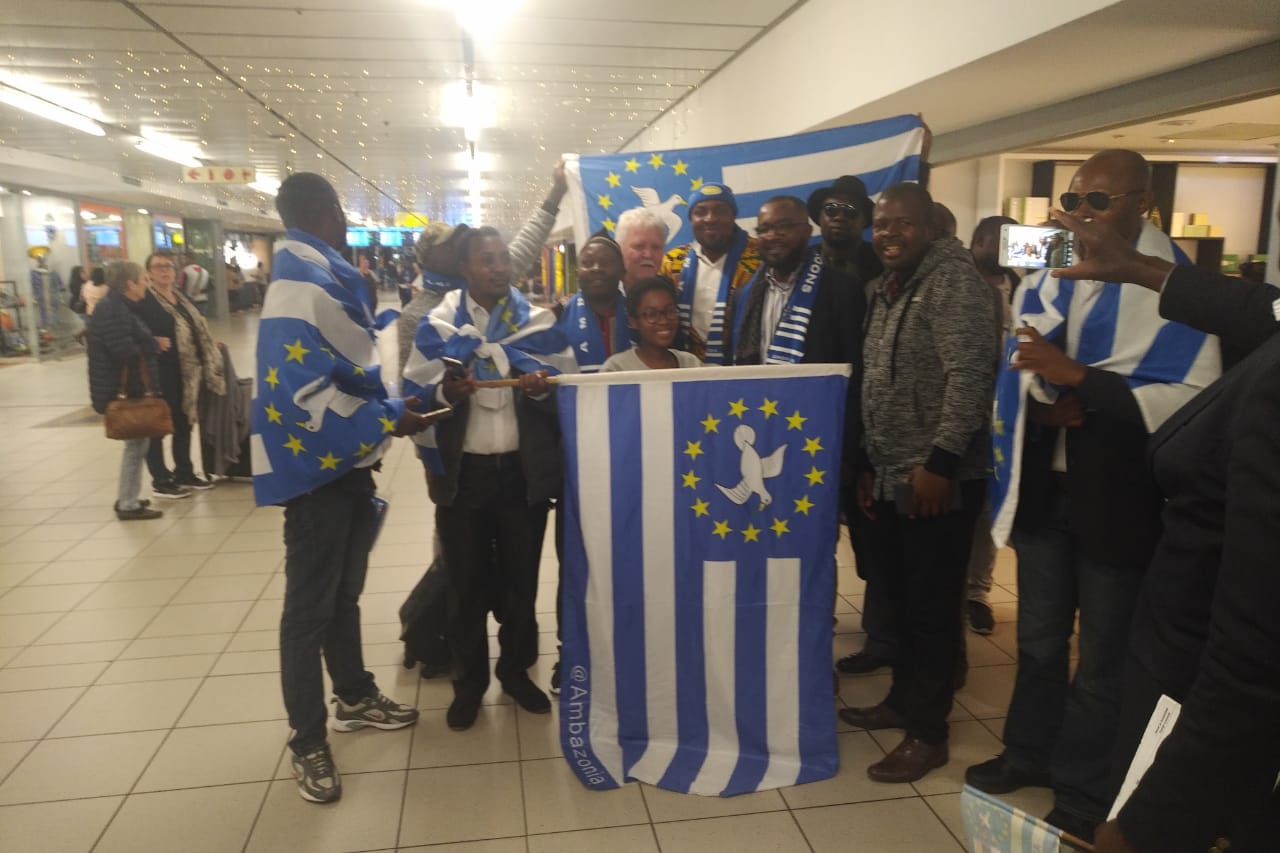
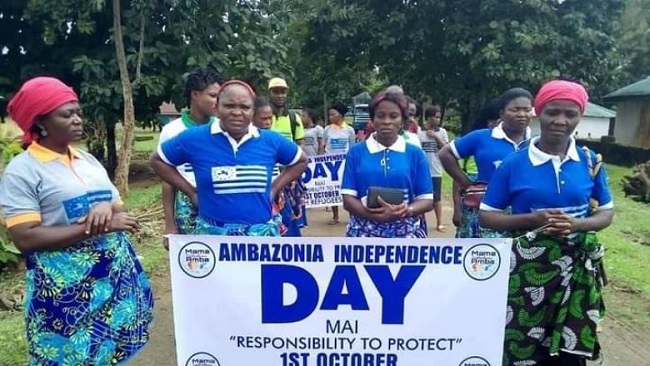
Violence has intensified since July 2019 in the North-West and South-West regions, escalating in August after a Yaoundé military court handed down life sentences to 10 leaders of the separatist Ambazonia Interim Government following a flawed trial. Human Rights Watch research and media reports indicate that at least 130 civilians have been killed in over 100 incidents since July, and thousands have been forced to flee. Given the ongoing violence and the difficulty of collecting information from remote areas, the number of civilian deaths – including of people with disabilities – is most likely higher.
“As the crisis in the Anglophone regions shows no sign of slowing, people with disabilities are struggling to find safety and face heightened risks of attacks, displacement, and abandonment,” said Shantha Rau Barriga, disability rights director at Human Rights Watch. “Cameroonian authorities and armed separatists should stop their abuses against civilians, while international organizations should fulfil their promises to those most affected by the crisis, including people with disabilities.”
The UN Office for the Coordination of Humanitarian Affairs reported in November that the humanitarian situation deteriorated, with over 656,000 internally displaced people in the Anglophone regions. Humanitarian access to people in need is difficult, with aid workers facing greater risks. In October alone, armed separatists kidnapped 10 aid workers, all of whom have been released. Another aid worker was killed in November.
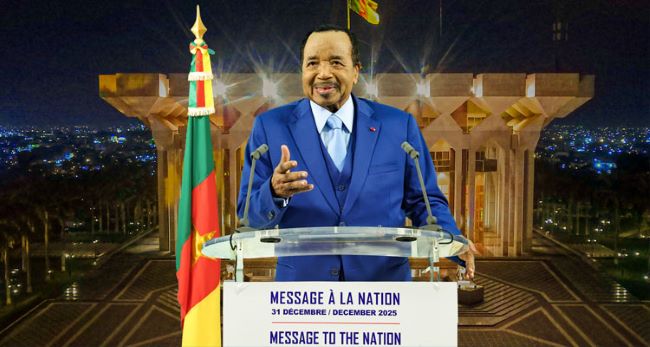
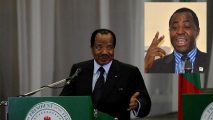
On September 10, President Paul Biya called for a “national dialogue” to address the Anglophone crisis. The dialogue ended on October 4 with the release of hundreds of people arrested in connection with the unrest in the regions, as well as political opponents. However, violence has continued unabated.
Between September and November, Human Rights Watch interviewed 24 people with disabilities living in the Anglophone regions, their family members, as well as representatives of UN agencies and of national and international humanitarian organizations. Human Rights Watch research indicates that people with disabilities are more likely to be exposed to danger from attacks, including because of barriers to escaping and staying out of harm’s way, and because of the degradation of whatever support systems existed before the crisis.
Since the crisis in the Anglophone regions started three years ago, Human Rights Watch has documented the experiences of people with disabilities who were unable to flee to safety, or were killed, assaulted, and tortured by soldiers or armed separatists. New cases have been documented since August 2019.
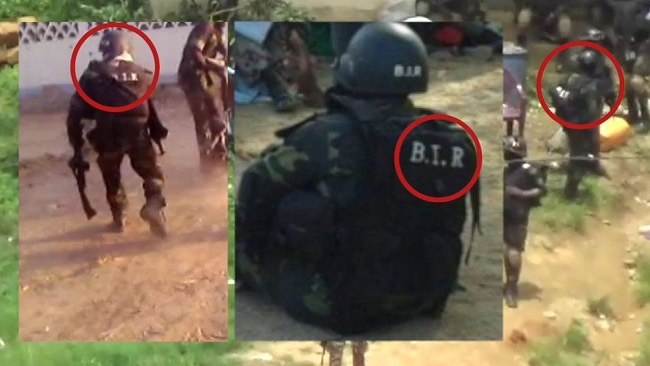
In one case, on September 19, Cameroonian security forces searching for armed separatists attacked a locality called “Number One Water” near the town of Muyenge, South-West region, killing four civilian men, including a man with an intellectual disability. A witness to the attack said people fled when the military arrived and started shooting: “I hid in the nearby bush and I went back when things calmed down, the same day. I found four bodies on the ground and helped bury them. Among those killed, there was a man called ‘Jasper,’ who had an intellectual disability, which is the reason why he stayed behind. The military killed him in front of his hut. His body was partly burned, because the military also set his hut on fire.”