
19, November 2019
US urges devolution of power in Cameroon 0
The United States on Tuesday urged Cameroon to devolve power in its troubled anglophone region, saying the government’s military response was only strengthening separatists.
The warning came weeks after the United States ended certain preferential trade benefits for Cameroon, citing human rights violations including arbitrary killings.
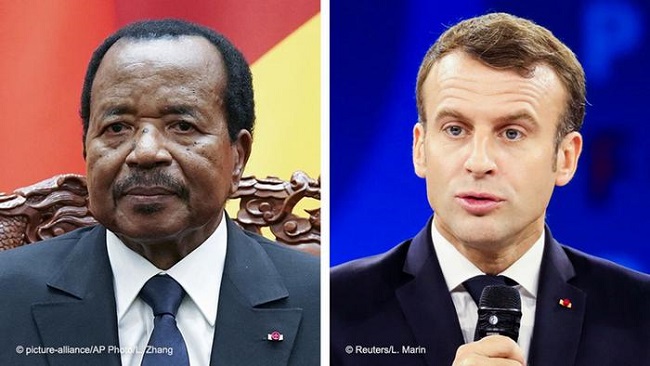
Tibor Nagy, the top US diplomat for Africa, said he believed advisors to Cameroon’s veteran resident, Paul Biya, were telling him “you can win this militarily.”
“The truth is, it’s not going to be won militarily,” Nagy told a House Foreign Affairs subcommittee.
“Every day more Cameroonians who in the beginning were probably very loyal Cameroonians are starting to think that maybe declaring a separate country is the way we want to go,” he said.
He acknowledged Cameroon has held talks to resolve the crisis but said they have been primarily symbolic, with little concrete.
“There has to be a true dialogue. There has to be also devolution of power to the region,” Nagy said, calling for “something so that the people who are still moderates can gravitate towards that.”
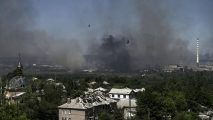
Violence has grown in two English-speaking regions, which have a separate colonial past, where activists have protested what they see as encroachment in the mostly French-speaking nation.
A separate conflict has flared in the impoverished Far North of Cameroon with militants of the Boko Haram extremist group.
Source: AFP



















21, November 2019
Cameroonian Women Urge Representation in Politics 0
Delegations of women in Cameroon are visiting towns and villages to encourage women to run for office in the upcoming February local and parliamentary elections. Although half the population, women make up less than a third of Cameroon’s 180 lawmakers and just six percent of the country’s 380 mayors.
Members of the activist group More Women in Politics try to convince 62-year old Diedonne Kemche to allow one of his six wives to run as candidate for the local council election.
Kemche, a member of Cameroon’s polygamous Bamikike ethnic group, said he is not sure his wife would perform her household duties if she became an elected official.
He said his wives cannot be wasting time by taking part in political activity. They are supposed to be busy taking care of their children, said Kemche, working on the farm and at home, cooking for their family and being respectful to their husband.
Kemche’s wife Stephanie Ngono, a primary school teacher, disagreed and said, despite her husband’s resistance, she is committed to run for office.
She said men should stop the attitude of restricting their wives’ liberties and freedoms. They should understand that women join politics for their own emancipation, said Ngono, and to give to their communities just as they contribute to the progress of their families.
Ngono’s defiance of her husband to participate in politics is rare in patriarchal Cameroon. Traditional gender roles are still dominant most areas and most women are economically dependent on their husbands.
Coordinator of More Women in Politics Justine Diffo said men usually make the family decisions and do not allow their wives to be seen in public with other men, impairing their participation in politics.
She said they have mobilized support for women not only to take part at the local and parliamentary elections by voting but, most importantly, by being candidates themselves. They are visiting all the council areas where the February 9, 2020 elections will be conducted, said Diffo, to make sure female candidates will not be rejected for not meeting legal requirements.
Cameroon’s political parties say they are working to increase the number of women to run for elected office.
Secretary General of the ruling Cameroon People’s Democratic Movement Jean Nkuete says after hearing complaints from women they are making changes.
The party has decided that four out of every ten candidates for the parliamentary elections should be women, he said, and that at least 42 percent of those vying for elective positions in local councils should be women.
But even with the growing participation of female candidates, getting Cameroonians to vote more women into office in patriarchal societies remains a challenge.
Source: VOA