19, November 2024
EU to invest CFA 60bn in key infrastructure projects in Cameroon 0
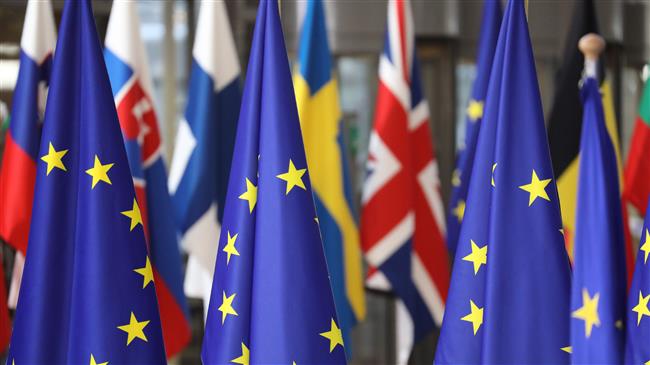
As part of the second phase of the Multiannual Indicative Program (MIP) 2025-2027, the European Union (EU) has announced it will mobilize €91 million (around CFA60 billion) to fund infrastructure projects in Cameroon. This initiative seeks to support the country’s economic and social development, strengthen key sectors, and promote regional integration within Central Africa. The announcement was made during the third session of the Economic and Technical Dialogue on the Cameroon-EU partnership, which took place on November 14, 2024, in Yaoundé.
Among the projects benefiting from this funding are two major initiatives: the construction of a bridge over the Ntem River between Cameroon and Equatorial Guinea, and the extension of Cameroon’s railway network to Chad. Other key projects include the Yaoundé bypass road, which aims to reduce traffic congestion in the capital, and the Kikot hydroelectric project, which will strengthen the national power supply.
“These strong commitments from the European Union, in the form of grants and budget support, aim to accelerate the completion of key infrastructure projects and reinforce structural reforms for better public financial management and enhanced competitiveness for Cameroon,” stated the Ministry of Economy’s communication service.
The EU is already involved in funding major projects that are transforming Cameroon’s infrastructure. One example is the Nachtigal hydroelectric dam (Central Region), which has a capacity of 420 MW. Supported by the EU, this project will provide nearly 30% of the electricity to the southern interconnected grid of Cameroon and play a key role in stimulating the country’s industrial growth. Another important project is the construction of the bridge over the Logone River, which will connect the Cameroonian city of Yagoua to the Chadian city of Bongor. Once completed, this bridge will provide a third official crossing point between the two countries, strengthening trade relations and contributing to sub-regional integration.
In addition to infrastructure projects, a significant portion of the discussions during this session of the Economic and Technical Dialogue focused on improving the business climate in Cameroon. The EU and the Cameroonian government are working to make the country more attractive to private investors by facilitating access to funding that supports entrepreneurship and stimulates economic activity. The EU plans to implement financial mechanisms through the Neighbourhood, Development and International Cooperation Instrument (NDICI-Global Europe) and the Global Gateway program. These initiatives will particularly target small and medium-sized enterprises (SMEs), especially in the infrastructure and energy sectors. Minister Alamine Ousmane Mey emphasized that the growth of the private sector is crucial for job creation and wealth generation. “A vibrant and productive private sector means more jobs, more wealth, and a better quality of life for the people. This is a priority for us, and through our cooperation with the European Union, we believe we will receive more support,” he said.
The announced funding is part of the MIP 2021-2027, which was officially launched in February 2022 in Yaoundé. The MIP is designed to structure and strengthen the EU’s response to the multiple challenges Cameroon faces, particularly in governance, democratic consolidation, peace, and stabilization. The program focuses on inclusive growth, with particular attention to the private sector, the creation of decent jobs, and environmental sustainability. The program spans seven years, with a solid commitment for the 2021-2024 period. The EU has allocated an additional CFA88 billion for the 2025-2027 period, with new priorities, including digitalization, which has been added as the fourth priority area of the program.
Source: Business in Cameroon
















20, November 2024
Real Madrid’s Vinícius Jr traces ancestry to Cameroon through DNA test 0
A Deoxyribonucleic Acid (DNA) test has revealed that Vinicius Jr., the Brazil and Real Madrid star winger, has ancestral roots in Cameroon.
The test conducted by the Brazilian Football Confederation (CBF) in partnership with AfricanAncestry.com on Tuesday, November 19, 2024, at Fonte Nova revealed that the player’s ancestry is rooted in the Tikar tribe of Cameroon.
A certificate recognising Vinicius Jr’s Cameroonian heritage was issued, along with a video highlighting the legacy of his Tikar forebears, a prominent tribe in Cameroon.
The initiative is part of the CBF’s ‘Roots of Gold’ campaign, which honours the history and pride of the Afro-Brazilian community, with a special focus on football.
Speaking about his roots, Vinicius said, “Discovering that my roots are in Cameroon is a very special moment for me and my family.
“It reminds me that, despite the challenges, our origins and our history count for a lot.”
In response to the discovery, Vinícius’ father shared his excitement, saying, ‘It’s important for us to know where we come from. Many Brazilians are unaware of their ancestry or heritage. I’m happy that we have roots in Cameroon too.’
The founder and president of AfricanAncestry.com, Gina Paige, underscored the importance of helping people of African descent reconnect with their heritage.
“Vini Jr. carries within him the desire to honour his heritage. However, like many individuals of African descent, his ancestral story has been erased by racism and the legacy of slavery. Through a DNA test, we discovered that Vini Jr.’s ancestors belong to the Tikar tribe in Cameroon.
“We believe that Vini’s reconnection with his African roots is a powerful ‘act of resistance,’ in line with his advocacy for social justice both on and off the football pitch,” Page said.
In honor of his ancestry, Vinicius Jr. wore a special jersey featuring the flags of Brazil and Cameroon for the match against Uruguay, which ended in a 1-1 draw, with the winger playing the entire 90 minutes.
Source: Vanguardngr