13, October 2018
Yaoundé: Critics Denounce Presidential Polls amid Violence against Southern Cameroonians 0
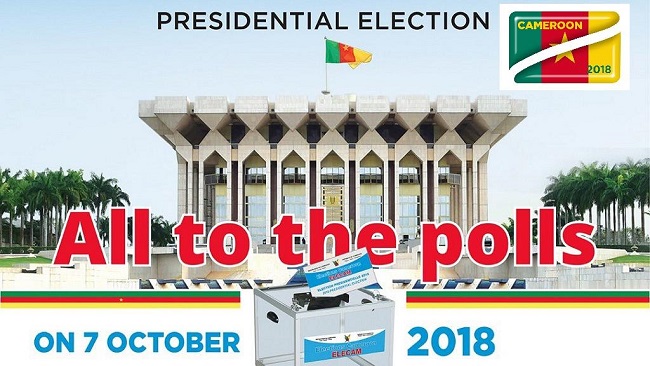
African news outlets reported on Friday that dissidents in Cameroon are petitioning the country’s elections management body to annul the October 7 presidential election, citing “massive fraud” in favor of President Paul Biya.
The election occurred as Biya’s government continues a campaign to eradicate the English language from public life, particularly targeting the English-speaking region of Southern Cameroons. Opponents of Biya’s government call its policies to impose the French language akin to ethnic cleansing.
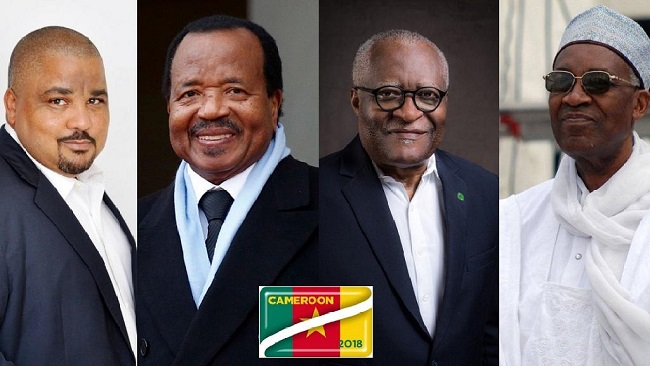
Leading contenders for the presidency — Candidates Cabral Libii of the opposition Universe party and Joshua Osih of the opposition Social Democratic Front — are among those who called on the election body to cancel the presidential poll.
The Agence France-Presse (AFP) news agency reported that Libii and Osih also urged the Constitutional Court to scrap the election. “The Constitutional Court, which is dominated by Biya loyalists, will have to deliver its verdict soon as the final results have to be out within two weeks of the election,” AFP noted.
The petitioners accuse troop and armed gangs loyal to Biya of using force to prevent them from candidates and voters from participating in the elections. Elections Cameroon (ELECAM), the African nation’s election body, has dismissed allegations of vote-rigging as false, arguing that there is no evidence to support the claims, Voice of America (VOA) reported on Thursday, adding:
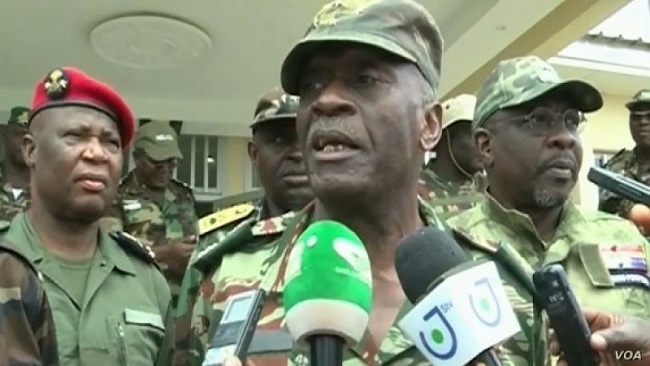
The military says it only assisted by protecting voters and that no troops entered polling stations. The electoral commission has until the end of the week to respond to the [25] petitions. The constitutional court has to rule on the claims before announcing the vote’s final outcome on Oct. 22.
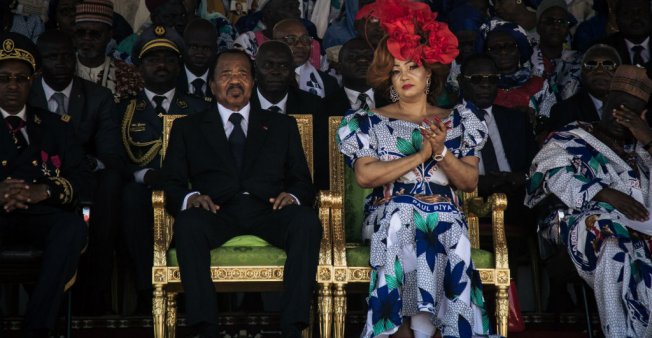
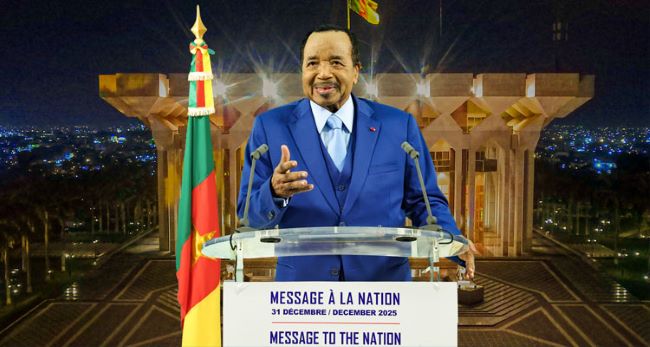
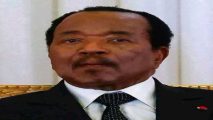
Biya faced seven candidates in the poll. He has ruled Cameroon for 36 years, and is widely expected to claim another seven-year mandate.
The recent elections found Cameroon afflicted by insecurity and Islamic extremism linked to the Boko Hara jihadist group and the conflict between the separatists and the military in the English-speaking Northwest and Southwest regions.
On the day of the vote, October 7, the Associated Press (AP) reported:
Polls closed in Cameroon Sunday evening, and vote counting began in an election that will likely see Africa’s oldest leader win another term amid fighting and threats from separatists that prevented residents in English-speaking regions from voting.
President Paul Biya, in office since 1982, vows to end a crisis that has killed more than 400 people in the Central African nation’s Southwest and Northwest territories in more than a year. The fractured opposition has been unable to rally behind a strong challenger to the 85-year-old leader. Voter turnout was low in English-speaking regions due to security fears.
Source: Breitart.com





13, October 2018
As conflict intensifies in Yaounde, thousands of Southern Cameroonians flee 0
As conflict intensifies in Cameroon thousands of civilians are being forcibly displaced from their homes. Violence between state forces and separatists has displaced more than 246,000 people within the Southwest region, while at least 26,000 have fled to Nigeria. The population is preparing for further violence following the outcome of the October 7 presidential election.
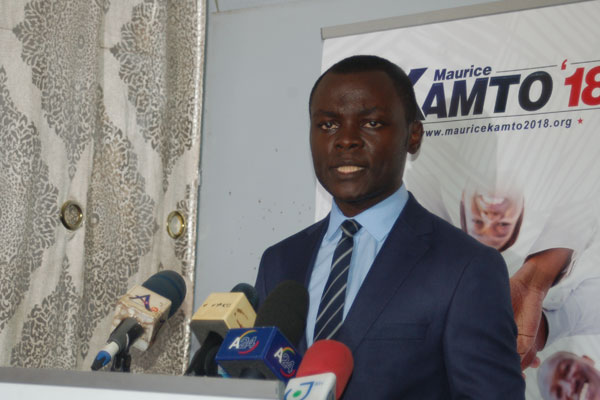
While votes are yet to be counted in an election that many see as neither free nor fair, a premature declaration of victory from opposition leader Maurice Kamto, for which he was branded an “outlaw”, is threatening to cause “new strife in a tense country”. The election was marred by both civil unrest and low turnout- largely because there are few residents left to vote. In some areas, it is estimated that more than 90 percent of residents have fled. Government officials, who would normally oversee the vote, are thought to have abandoned their posts in more than a dozen localities.
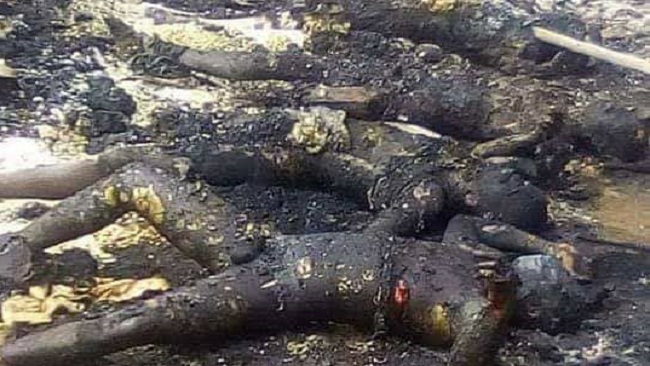
While the origins of the conflict can be traced back to language divides imposed by post- World War 1 colonial endeavours in the region, the conflict in Cameroon has steadily worsened in the two years since lawyers and teachers in the Anglophone areas began protesting the Francophone- dominated federal government. President Biya concentrated power in favour of French speakers during his six terms in office and blocked access to the internet in the English speaking areas for months, and Anglophone separatists have been turning to increasingly violent means, with bloody atrocities being reported on both sides. Residents and local officials provide frequent accounts of troops burning homes and shooting, detaining and executing civilians.
At least 26,000 predominantly Anglophone Cameroonians have sought protection in Nigeria, where many have reported being shown solidarity; “many refugees have found support within host communities. The inhabitants of small border villages share what they have with them – food, a room to sleep or work in the cocoa plantations. Some received a piece of land to cultivate. However, solidarity alone is not enough for people who have lost everything to re-start their lives.“
The UN has said the situation is becoming increasingly desperate. The Nigerian government have given land for refugee settlements but it is now fully occupied, and the UNCHR’s own provision for shelter, food, water and sanitation has been “constrained by sever underfunding”; “Most families are down to one meal per day. The coping strategies people are using are themselves risky, and range from borrowing money to cutting food portions or saving food only for children….Most asylum seekers say they are having to drink water from streams, ponds and other unsafe sources” and “malaria is reportedly already on the increase”.
Source: ecre.org