
15, November 2022
Qatar 2022: England and Netherlands arrive in Qatar as Infantino calls for focus on football 0
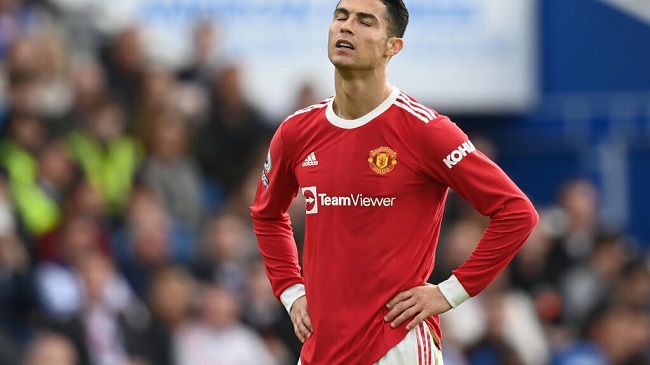
England and the Netherlands will be the first World Cup heavyweights to arrive in Qatar on Tuesday as FIFA President Gianni Infantino again urged teams to focus on the football.
The pleas from football’s world governing body have struggled to be heard in some countries as the countdown to Sunday’s kick-off has intensified the focus on Qatar’s treatment of migrant workers, women and the LGBTQ community.
FIFA launched its “Football Unites the World” campaign with a video featuring star players including Neymar, Karim Benzema and Edouard Mendy.
Infantino said: “Although football is and should be our main focus, the FIFA World Cup is also about values and causes that extend far beyond the pitch and we are delighted that football stars past and present have joined us to promote and highlight these topics, which also unite the whole world.”
USA coach Gregg Berhalter explained why his team are displaying a rainbow logo at their training base in Qatar, where homosexuality is illegal.
“We think it’s important, wherever we think that when we are on the world stage and in a venue like Qatar, to bring awareness to these issues,” he said.
“We recognise that Qatar has made major strides and there has been a ton of progress but there is some work to do.”
Infantino also called for a one-month ceasefire in Ukraine to mark the World Cup, saying sport could bring people together.
He told leaders of the Group of 20 major economies gathered in Bali that he was not “naive” enough to believe the World Cup could solve the world’s problems.
But he said the tournament offered a “unique platform”, with an estimated five billion people expected to watch on television.
Russia hosted the 2018 World Cup finals but FIFA barred the Russian team from the qualifying play-offs for Qatar in response to the invasion of Ukraine.
England jet in
Gareth Southgate’s England team, spearheaded by striker Harry Kane, head to Qatar seeking to go one better than four years ago when they lost in the semi-finals and end a 56-year wait to win the World Cup.
The Netherlands, whose outspoken coach Louis van Gaal has not hidden his opinion that Qatar should never have been allowed to host the World Cup, are also due to arrive.
Denmark’s coach Kasper Hjulmand said his team would focus on football once they arrive in the Gulf state on Tuesday, after FIFA rejected the country’s request to wear special jerseys advocating human rights at training.
Jakob Jensen, CEO of the Danish Football Association said: “The players are here to play football, they’re dreaming of winning the World Cup. They should be able to focus on playing.”
Qatar has rejected many of the accusations against its rights record as “racism”.
The country of barely three million people and one of the world’s biggest producers of natural gas, has spent lavishly to build stadiums and infrastructure since winning the shock vote in 2010.
New stadiums have cost more than $6.5 billion and a driverless metro system with a price tag of $36 billion serves five of the eight venues.
Some estimates put total infrastructure spending over the past decade at $200 billion.
Source: AFP













15, November 2022
English-speaking children denied education in Cameroon’s anglophone crisis 0
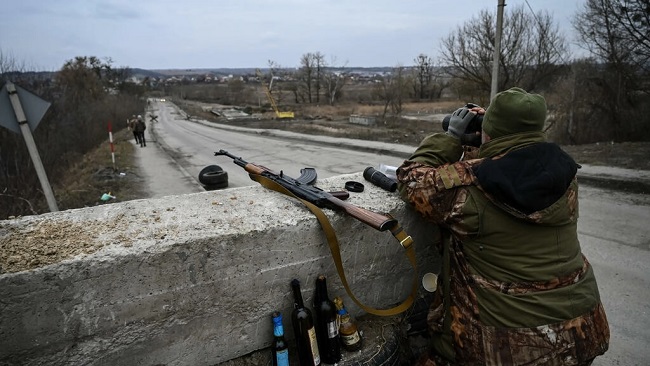
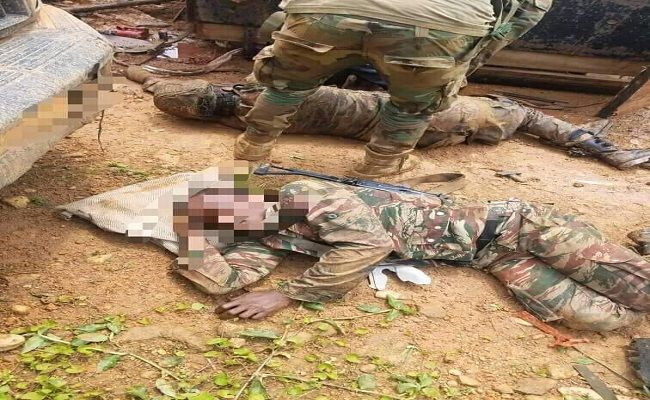
Cameroon’s Anglophone Crisis, also known as the Cameroonian Civil War, has been raging between the country’s government and Anglophone separatist parties in the north- and southwest since 2016. The separatist parties have been accused of kidnapping and attacking innocents, but the nation’s administration has also been heavily criticized, accused of human rights violations including torture and extrajudicial murder as well as employing disproportionate force against protestors and failing to adequately address the Anglophone minority’s concerns. There has been little progress in settling the war, which has displaced over 700,000 people and resulted in more than 2,000 deaths. Away from the front line, children, especially girls, are also among the casualties of this war.
The war has “wreaked havoc on the education of Cameroonian children,” UNICEF asserts. The English-speaking regions of Cameroon once had the best education in the country, the organization says, but now face “a permanent policy of non-schooling put in place by non-state armed groups.” Due to pressure from Anglophone civil society, certain separatist groups formally called off the school boycott in 2020, but attacks on schools continue unabated; “Children have been forced to evacuate their homes and several schools have been shut down,” UNICEF says, and those that stay open are frequently decrepit or overcrowded. Many teachers have “been compelled to leave the nation” and departed without being replaced. “This has left youngsters with little educational opportunities.”
Girls have been particularly negatively affected. Parents whose wages have decreased choose to send their sons to school while keeping their daughters at home to assist with chores or small trades. Families who can afford it are currently sending their children to schools in Cameroon’s Francophone regions, but others have simply fled, leaving their daughters to fend for themselves in the Anglophone sectors: unschooled and susceptible to recruitment for prostitution.
This lack of access to high-quality education exacerbates the already serious issues plaguing Cameroon’s Anglophone communities. Demonstrations by Anglophone attorneys and educators regarding the marginalization of the country’s English-speaking population were the initial tinderbox for the conflict in 2016. The separatist militias were only established after the Cameroonian military repressed demonstrators, turning peaceful protest into violent confrontation.
Instead of boycotting schools or threatening to close down voluntary learning centers, the parties in Cameroon’s conflict should utilize the beginning of the school year to alleviate children’s suffering in the Anglophone areas and develop trust with the local community. Separatist activists in Cameroon and elsewhere should cease all school boycotts immediately. If they do so, the Yaoundé administration should recognize the gesture as a de-escalation step. By keeping classrooms accessible and students safe, government and separatist leaders might offer a rare opportunity for dialogue and a lasting cease-fire.
In addition to increasing its assistance for the education system in Cameroon, the international community should assist the Cameroonian government in paying teachers’ salaries, renovating schools, and supplying educational materials. For such assistance to be sustainable, it must be needs-based, impartial, and inclusive of all Cameroonian areas and educational institutions.
The Anglophone Crisis is harming the futures of children who have not even begun to live. The conflict has had a severe impact on the education system as a whole, and both Cameroon and the world must take action. International allies dedicated to resolving the Anglophone crisis should promptly remind all parties of their responsibilities to protect civilians and safeguard children’s right to education.
Culled from The Organization for world peace