28, September 2022
Southern Cameroons Crisis: Barrister Agbor Balla calls on Biya to open talks with Sisiku Ayuk Tabe 0
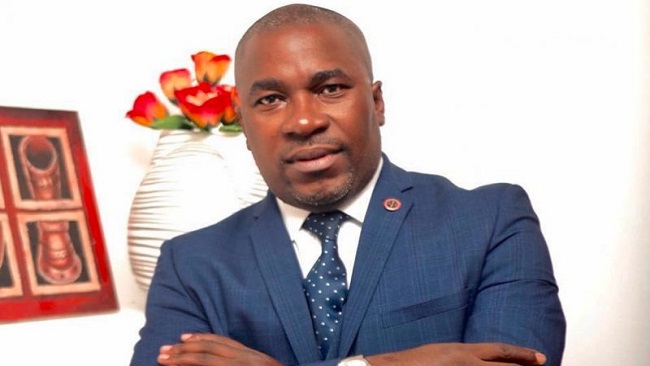
The founder and head of the Center for Human Rights and Democracy in Africa Barrister Agbor Balla has said that the solution to the crisis in Southern Cameroons requires dialogue between the Francophone dominated Biya regime and the jailed Ambazonian leaders.
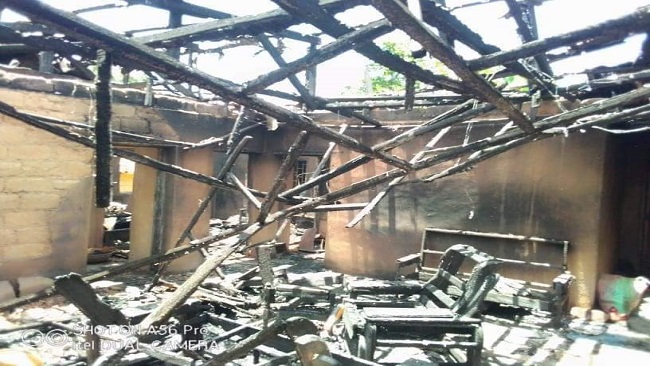
The armed conflict is now into its sixth year and nothing seems to change following the so-called Grand National Dialogue that was held in 2019, an event that was supposed to mark a significant milestone in the process of resolving the conflict. The killings have also continued at catastrophic rapidity and the burning and looting of private homes is now increasing at an alarming proportion, much to the dismay of human rights defenders including Barrister Agbor Balla.
For his part, Dr Felix Agbor Balla regrets that no progress has been made in the process of resolving the Ambazonia conflict.
“Three years after the holding of the Grand National Dialogue to resolve the Anglophone crisis, we note that nothing is actually changing in the two regions since 2016. Kidnappings, armed attacks in which civilians and soldiers are killed continue in both regions. In short, the Anglophone crisis continues to wreak havoc with several consequences on the entire Cameroonian population. Even when the Grand Dialogue was held in 2019, I did not think that this crisis would find a definitive solution,” Barrister Agbor Balla told a French publication Le Jour on Tuesday, September 27, 2022.
Balla in the interview deplored the fact that attacks on schools, churches, hospitals and public buildings have continued and the university don blamed it on both Ambazonia fighters and the Cameroon government military. “These are war crimes that we as human rights defenders, cannot tolerate,” the legal practitioner said.
Barrister Agbor Balla furthered that it is important for Cameroon authorities to organize informal meetings with the jailed Ambazonian leaders in order to find lasting solutions to the crisis.
“Now, it is important that the state authorities work for the definitive resolution of this crisis that is paralyzing activities in two regions of the country. I propose to the government to discuss with the separatist leaders who are in Cameroon with the aim of finding a definitive solution in the framework of informal meetings for example. We have for example a leader like Ayuk Tabe who is incarcerated in Kondengui. The government can also consult members of civil society to find a definitive solution to this crisis. A reform of the republican institutions is also necessary for the final resolution of this crisis,” he concluded.
By Soter Tarh Agbaw-Ebai with files from CIN

















28, September 2022
French Cameroun: Lucky Man Who Married 4 Women 0
This is a celebrated French Cameroun polygamist that even other polygamists from the Ocean Division in the South Region of La Republique du Cameroun disapprove of his ways.
He hails from the South region just like the renowned Professor Joseph Owona a former Biya regime cabinet minister who lives in three homes right next to one another, with each of his two wives getting their own space.
On Tuesday 27 September 2022 in Lekoundje in Ocean Division in the South Region, this notable got married to four wives and the unconventional family opened the doors for an unprecedented peek inside their wedding ceremony.
Cameroon Concord News understands this French Cameroun Casanova will rotate every night among them so that each wife gets to sleep with him.
By Rita Akana