1, May 2026
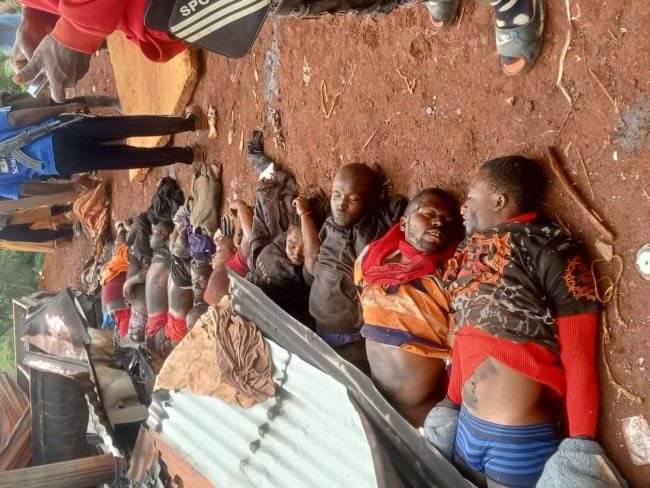
Southern Cameroons Crisis: Francophone soldiers kill 14 People in Ndzerem-Nyam 0
The Cameroonian armed forces killed 14 people it called “terrorists,” in the country’s volatile northwest, the defense ministry said.
Cameroon’s two anglophone regions have suffered almost a decade of armed violence following attempts to secede from the rest of the mostly French-speaking central African country.
In a statement released Thursday, Cameroon’s defense ministry said its security forces had neutralized 14 people in the town of Ndzerem-Nyam, in the northwest, on Sunday.
It said soldiers took an “appropriate and professional response” after “heavily armed terrorists opened heavy fire”.
“Several weapons of war” and “improvised explosive devices” were seized, the ministry added, claiming the casualties were “dangerous terrorists”.
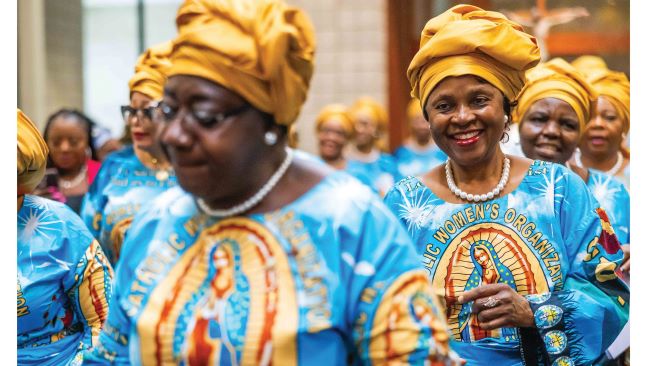
African Conscience, an NGO, condemned in a statement on Monday what it called the “brutal killings of at least 14 persons, mostly unarmed civilians” after the military interrupted a cultural ceremony.
It refuted the claim that those killed had been armed, said only a few were separatists, and called on the government to launch an independent investigation.
On a visit to the region in April, Pope Leo XIV condemned an “endless cycle of destabilization and death”.
In 2020, soldiers killed at least 21 people, including pregnant women and children, in Ngarbuh, a village in the northwest.
Conflict erupted after President Paul Biya, who has ruled the central African country since 1982, violently put down peaceful demonstrations in 2016 by English speakers who felt marginalized.
Monitors estimate thousands of people have been killed in the subsequent violence between armed separatists and Cameroonian security forces.
Source: The Defense Post



















1, May 2026
Nine African migrants expelled by US to Cameroon 0
Nine migrants from four African countries arrived this week in Cameroon after being expelled from the United States, part of a deal between the two countries, one of their lawyers told AFP on Thursday.
The deportees arrived Wednesday and were from Ghana, Angola, Ethiopia and Congo-Brazzaville.
Cameroon is among several African countries that have agreed in recent months to participate in a controversial scheme allowing the United States to send undocumented migrants to third countries when there are impediments to sending them to their own country.
The six women and three men who arrived Wednesday were part of the third such flight since January, joining the seventeen immigrants previously deported by the United States to Cameroon, Alma David, a US immigration lawyer, told AFP.
Joseph Awah Fru, a Cameroonian lawyer who followed the first two groups after their arrival in Yaoundé, confirmed the arrival of this third flight on Wednesday to AFP. According to the New York Times, Washington is paying Cameroon $30 million to be part of the scheme.
The other African countries to have reached similar agreements are Equatorial Guinea, Ghana, Rwanda, South Sudan, Eswatini and the Democratic Republic of Congo (DRC).
Most of these immigrants are prevented from deportation to their own country by the US justice system due to safety concerns, and are therefore sent to a third country, which can then expel them.
Of the seventeen people previously deported to Cameroon, four have been sent to their countries of origin: Morocco, Angola, and Senegal.
US courts had ruled that two Moroccan women’s fears for their safety should they return to Morocco were well-founded.
But after being sent back, they are now living there in hiding, according to Awah.
The thirteen others, who are staying at a centre run by Cameroonian authorities in conjunction with the International Organization for Migration (IOM), will be able to apply for asylum in Cameroon if they wish.
In September, Human Rights Watch stated that these expulsions under “opaque agreements” violated international law and should be rejected.
Source: AFP