13, April 2020
COVID-19: African ambassadors write letter of complaint to China over ‘discrimination’ 0
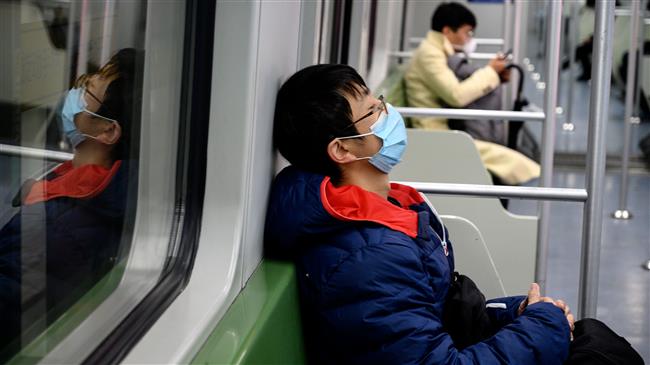
African ambassadors in China have written to the country’s foreign minister over what they call discrimination against Africans as the country seeks to prevent a resurgence of the coronavirus.
Several African countries have separately also demanded that China address their concerns that Africans, in particular in the southern city of Guangzhou, are being mistreated and harassed.
Having brought under control the original outbreak centred on the city of Wuhan, China is now concerned about imported cases and is stepping up scrutiny of foreigners coming into the country and tightening border controls. It has denied any discrimination.
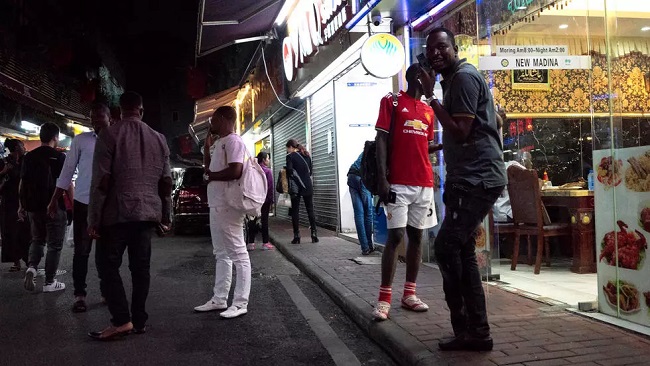
In recent days Africans in Guangzhou have reported being ejected from their apartments by their landlords, being tested for coronavirus several times without being given results and being shunned and discriminated against in public. Such complaints have been made in local media, and on social media.
The ambassadors’ note said such “stigmatisation and discrimination” created the false impression that the virus was being spread by Africans.
“The Group of African Ambassadors in Beijing immediately demands the cessation of forceful testing, quarantine and other inhuman treatments meted out to Africans,” it said.
The note was sent to State Councilor Wang Yi, the Chinese government’s top diplomat, copying the chair of the African Union, South African President Cyril Ramaphosa and all African foreign ministers.
“The Guangdong authorities attach great importance to some African countries’ concerns and are working promptly to improve their working method,” Chinese foreign ministry spokesman Zhao Lijian said in a statement published Sunday, referring to the province in which Guangzhou is located.
“African friends can count on getting fair, just, cordial and friendly reception in China,” he said, adding the foreign ministry will stay in close communication with Guangdong authorities and address the “African side’s reasonable concerns and legitimate appeals”.
Zhao’s statement did not reference the ambassadors’ note to Wang and did not mention the allegations of discrimination against Africans in the city.
Foreign affairs official Liu Baochun told a news conference separately on Sunday that Guangzhou is enforcing anti-virus measures on anyone who enters the city from across the national border, regardless of nationality, race or gender.
The Chinese embassy in Zimbabwe on Saturday dismissed the accusation that Africans were being deliberately targeted.
“It is harmful to sensationalize isolated incidents,” it said in a tweeted statement. “China treats all individuals in the country, Chinese and foreign alike, as equals.”
Disappointment
The ambassadors’ note highlighted a number of reported incidents, including that Africans were being ejected from hotels in the middle of the night, the seizure of passports, and threats of visa revocation, arrest or deportation.
On Saturday, Ghana’s foreign minister of affairs Shirley Ayorkor Botchwey said she had summoned the Chinese ambassador to express her disappointment and demand action.
Kenya’s foreign ministry has also “officially expressed concern”, adding the government is working with Chinese authorities to address the matter.
On Friday, Nigerian legislator Akinola Alabi tweeted a video of a meeting between the leader of Nigeria’s lower house of parliament, Femi Gbajabiamila, and Chinese Ambassador Zhou Pingjian. In it, Gbajabiamila demanded an explanation from the diplomat after showing Zhou a video of a Nigerian complaining about mistreatment in China.
The ambassador said in response to the questions from the house leader that he took the complaints “very seriously” and promised to convey them to the authorities back home.
Source: REUTERS



















13, April 2020
The Holy Father calls for global ceasefire amid Covid-19 pandemic in livestreamed Easter address 0
Pope Francis called on Sunday for global solidarity in fighting the coronavirus pandemic and its economic fallout, urging the relaxation of international sanctions, debt relief for poor nations and ceasefires in all conflicts.
“May Christ our peace enlighten all who have responsibility in conflicts, that they may have the courage to support the appeal for an immediate global ceasefire in all corners of the world,” the pope said in a live streamed Easter message.
He condemned arms manufacturing and said the pandemic should spur leaders to finally end long-running wars such as that in Syria. He also appealed for help for migrants and others suffering from existing humanitarian conflicts.
The pope also warned the European Union that it risked collapse if it did not agree on how to help the region recover.
The pope’s Easter “Urbi et Orbi” (to the city and the world) message, delivered from an empty St. Peter’s Basilica instead of to the usual crowd of tens of thousands in the square outside, was by far his most pressing and political since his election in 2013.
Saying the message of this year’s “Easter of solitude” should be a “contagion of hope,” he heaped praise on doctors, nurses and others risking their lives to save others and hailed those working to keep essential services running.
“This is not a time for indifference, because the whole world is suffering and needs to be united in facing the pandemic,” he said in the message, almost entirely dedicated to the pandemic’s effects on personal and international relations.
“Indifference, self-centredness, division and forgetfulness are not words we want to hear at this time. We want to ban these words forever!” he said.
Easter in the time of Covid-19
Francis expressed sympathy for those not able to bid farewell to their loved ones because of restrictions, for Catholics who have not been able to receive the sacraments and for all those worried about an uncertain future.
“In these weeks, the lives of millions of people have suddenly changed,” he said.
The pope said it was up to politicians and governments, too, to avoid “self-centredness” and take decisive, concerted action to help each others’ populations live through the crisis and eventually resume normal life.
“May international sanctions be relaxed, since these make it difficult for countries on which they have been imposed to provide adequate support to their citizens,” Francis said.
He also called for debt reductions or forgiveness for the poorest nations, without naming any countries.
Europe’s divisions
Francis expressed particular concern for the future of Europe, saying it was vital that rivalries that existed before World War Two “do not regain force” as a result of the pandemic.
European Union nations are divided over how to help the continent’s economy recover – with Italy and other eurozone members seeking the issuance of euro bonds backed by all, but Germany, the Netherlands and other countries opposed to this.
“The European Union is presently facing an epochal challenge, on which will depend not only its future but that of the whole world,” Francis said.
That echoed a position by Italian Prime Minister Giuseppe Conte, whose country has suffered one of the highest death tolls from Covid-19.
“This is not a time for division,” Francis said.
(FRANCE 24 with REUTERS and AFP)