
10, May 2019
UK negotiates a post-Brexit Economic Partnership Agreement with Cameroon 0
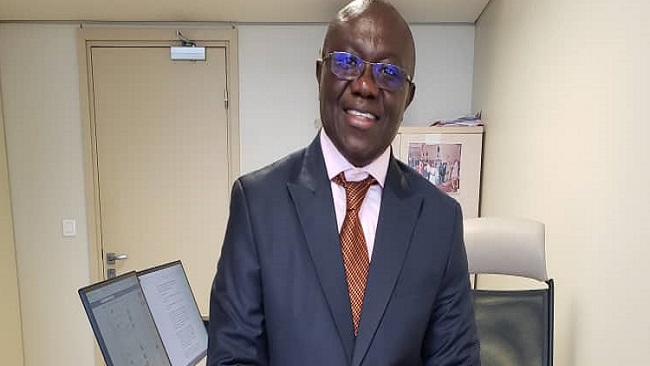
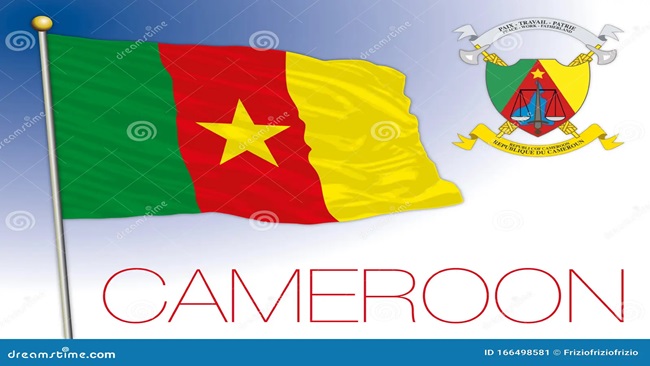
Jean Tchoffo, Secretary General of the Cameroonian economy ministry, presided on May 8 in Yaoundé over the presentation of a report on the trade impact of the bilateral Economic Partnership Agreement (EPA) between Cameroon and the United Kingdom.
According to the official, the validation of this study is the first step before the actual start of negotiations, which may have to be concluded by 2021. These will include a review of the legal text of the Cameroon-European Union (EU) Partnership, with a view to its possible transposition into a bilateral Cameroon-United Kingdom post-Brexit EPA.
The British government informed Cameroon of its ambition since February 12, 2018. And after two informal meetings, President Biya finally authorized the opening of formal negotiations on 29 August 2018. However, Paul Biya conditioned the start of these negotiations on the completion of a study that will provide an overview and outlook of trade, economic and financial relations between Cameroon and the United Kingdom. It is also a question of assessing the possible impacts of this agreement on Cameroon’s economy and finances.
The Kingdom of Great Britain and Northern Ireland is a party to the EU-Cameroon EPA. However, the British people decided on 27 March 2017, in a referendum, to leave the Union. As a result, the United Kingdom should in principle lose the benefit of trade agreements between the EU and its partners around the world. In order not to disrupt trade with its partners after leaving the Union, the United Kingdom is engaged in negotiations of new trade agreements and treaties with all its major trading partners.
Source: Business in Cameroon














10, May 2019
Human Rights Watch details torture and incommunicado detention in Cameroon 0
Human Rights Watch (HRW) on Monday described the abuse of detainees at a detention center in Cameroon’s capital city of Yaoundé, identifying violations of domestic and international human rights law.
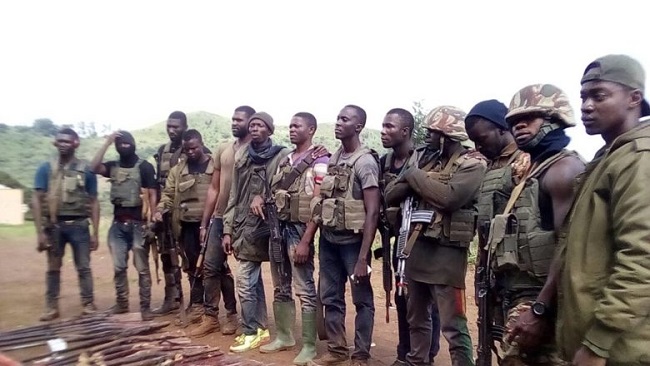
Torture and detention have been “endemic in Cameroon’s law enforcement and military system,” carried out by gendarmes and other security forces of the State Defense Secretariat. These tactics are employed against suspected members or supporters of separatist groups such as Boko Haram.
Interviewed detainees explained that they were subjected to interrogations that featured humiliation and punishment, which were followed by forced signings of statements “they were not allowed to read or could not read because [the statements] were in French.” Most of the detainees were charged with crimes related to terrorism despite the fact that the majority of those interviewed by HRW were civilians.
Within a one year period, 26 cases of incommunicado detention were documented, and at least 14 cases of torture were noted. HRW indicated that the “total numbers are likely much higher, because abuses are committed in secret and many former detainees are reluctant to speak because they fear reprisals.” There are indications that these human rights violations are still ongoing.
Thus far, there has been an absence of repercussions. HRW called on the UN Security Council to address the situation in Cameroon by condemning the abuses and “call[ing] for the government to end these practices.”
Source: Jurist