10, August 2026
Nyene Mawn in Germany: Manyu Women leading, Manyu girls rising, Manyu communities thriving 0
The Manyu Women’s International Association, fondly known as Nyene Mawn, has once again demonstrated what can be achieved when women come together with purpose, vision and an unwavering commitment to the wellbeing of their community.
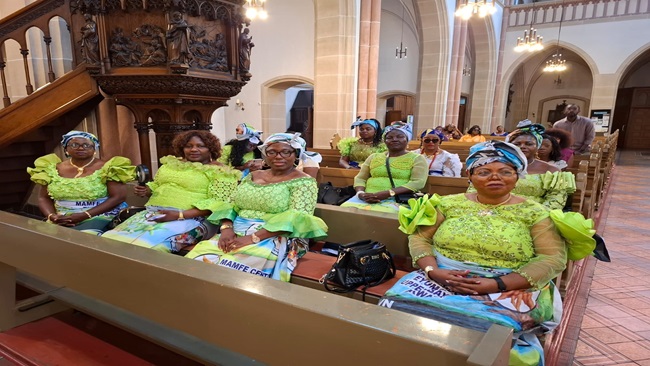
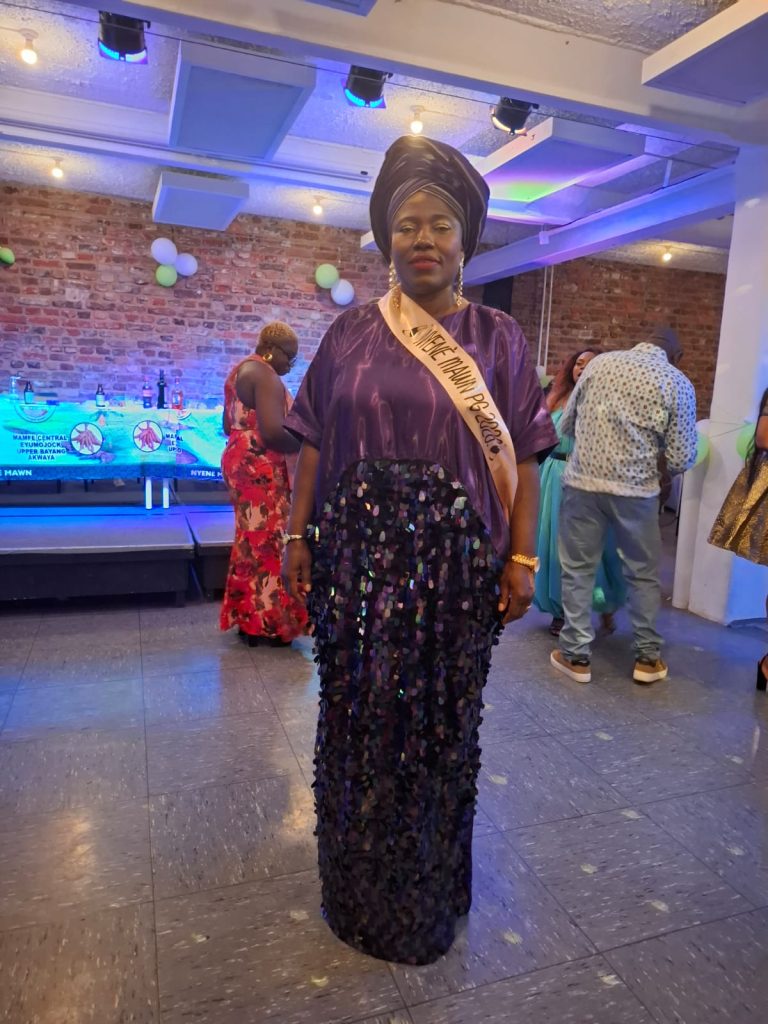
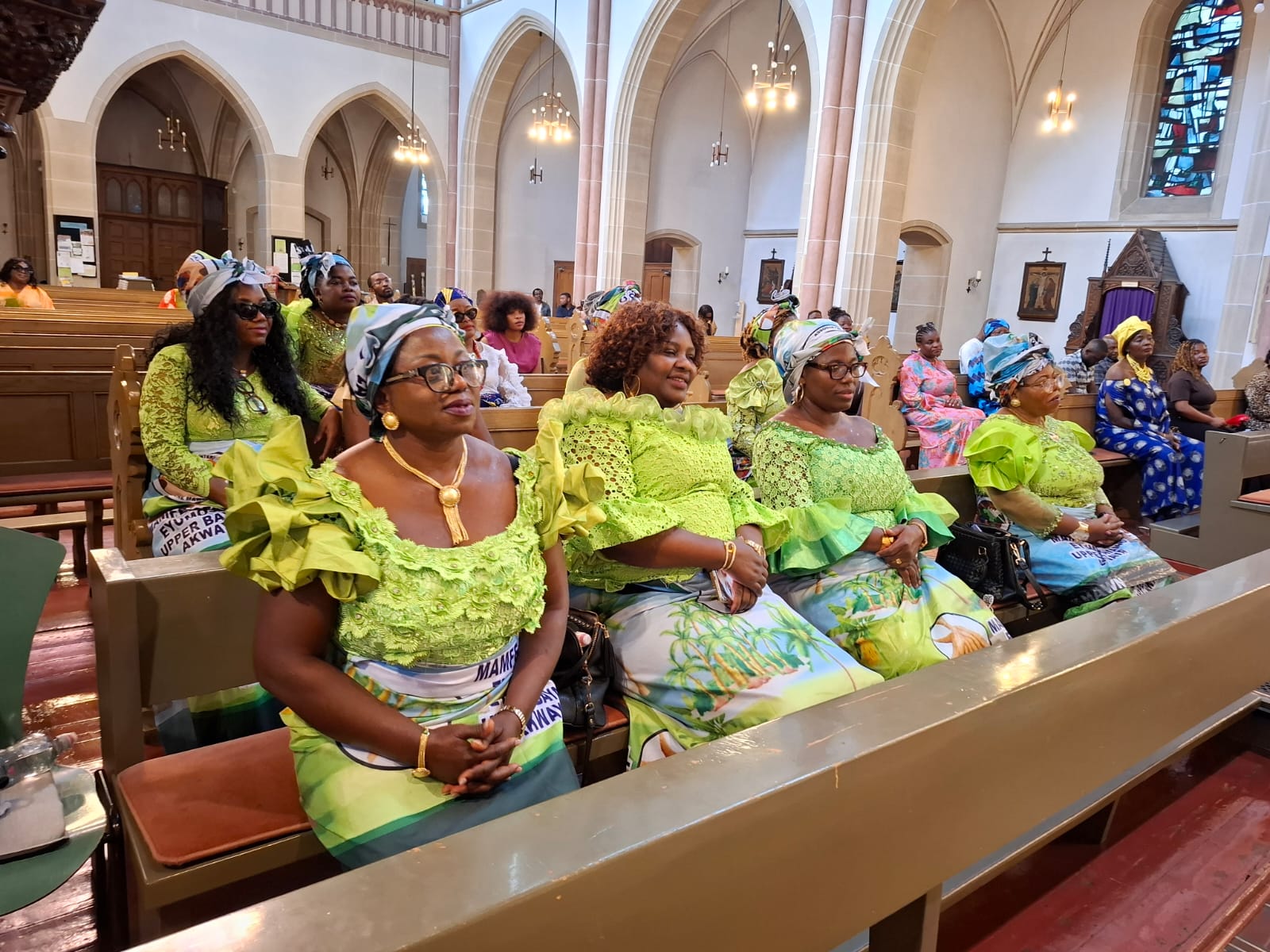
The recently concluded mini summit in Duisburg in the Federal Republic of Germany was more than a gathering of women. It was a celebration of solidarity, leadership, service and the enduring strength of Manyu women. The election of Maureen Tabe as the new President-General has added another important chapter to the association’s remarkable journey.
At a time when societies across the world are increasingly recognizing that the future of any nation depends significantly on how it educates, protects and empowers its girls, Nyene Mawn deserves particular commendation for its contribution to the girl child in Cameroon. By supporting initiatives that encourage girls to dream, learn, develop confidence and become responsible members of society, the association is investing not merely in individuals, but in the future of Cameroon itself.
A girl who is educated is a woman empowered. A woman who is empowered can transform a family, strengthen a community and influence a nation.
This is why the work of Nyene Mawn is so important.
Perhaps even more inspiring is the manner in which the association continues to lead by example. Leadership is not simply about holding positions or making declarations; it is about service, responsibility, integrity and demonstrating the values one wishes to see in others. Through its activities, its commitment to community and its emphasis on the advancement of women and girls, Nyene Mawn is showing younger generations that leadership is both a privilege and a responsibility.
The Duisburg summit also reflected the association’s appreciation of faith, culture and community. Ending the gathering with a Holy Mass celebrated together with the Cameroon Catholic Community in Mülheim was a beautiful reminder that service to humanity is strengthened by fellowship, humility and gratitude to God. It brought a fitting spiritual dimension to a gathering dedicated to unity, renewal and the future.
The election of Maureen Tabe as President-General therefore comes at an important moment. She inherits not merely an office, but a legacy of women who have chosen to make a difference. Her leadership will undoubtedly carry expectations, but it also comes with tremendous opportunities to build upon the achievements of those who came before her.
We of the Cameroon Concord Group congratulate Maureen Tabe most warmly and wish her wisdom, courage, strength and God’s guidance as she takes up the mantle of leadership. May her tenure be marked by unity, inclusiveness, meaningful service and even greater opportunities for women and girls, particularly those in Cameroon.
To Nyene Mawn, we say: keep leading, keep serving and keep inspiring.
Your greatest legacy may not be found only in the programs you organize or the achievements you record, but in the young girls who look at the example you set and begin to believe that they, too, can lead, serve and change their communities.
When women rise together, generations rise with them.
Congratulations, Nyene Mawn. Congratulations, President-General Maureen Tabe. May the journey ahead be fruitful, impactful and blessed.
By Chi Prudence Asong with additional reporting from Soter Agbaw-Ebai




















10, August 2026
MECA Manchester welcomes Superstar Maxy Manorh 0
It was organised at very short notice, but there was nothing small about the warmth of the welcome when members of the Manyu Elements Cultural Association (MECA) Manchester gathered on Sunday the 9th of August 2026 to receive global Manyu music star Maxy Manorh. With little time for elaborate preparations, members of MECA Manchester did what strong communities often do best: they came together.
A barbecue and lunch were hastily arranged at the home of the association’s president, Chief Richard Agbor, transforming an ordinary afternoon into a memorable celebration of music, friendship and culture. Members arrived proudly in their MECA uniforms, bringing colour, identity and a strong sense of belonging to the occasion. Food and drinks were aplenty.
Maxy Manorh whose music and international profile have made him one of Cameroon’s celebrated cultural ambassadors, treated his hosts to a few songs. His impromptu performance delighted MECA members, who enjoyed the rare opportunity to experience the star’s music in such an intimate and relaxed setting.
For MECA Manchester, the day was more than meeting a famous Manyu son. It was an opportunity to recognise an artist who has carried elements of Manyu identity and culture through his music to audiences far beyond Cameroon for the last ten years.
As a gesture of appreciation, the association presented Maxy Manorh with an envelope containing a token from its members, recognising his contribution to the promotion and preservation of Manyu culture. The gesture reflected something deeper about the Manyu community in Britain: a determination to remain connected to home and to celebrate those who promote its heritage.
For Maxy, who is due to leave the United Kingdom for Cameroon this week, the Manchester reception was particularly touching.“It was amazing being with my brothers and sisters in Manchester,” he said. He noted that the occasion was especially memorable because it was the first time a Manyu group had formally received him in a country when he had not travelled to specifically perform for them.
Chief Richard Agbor, president of MECA Manchester, told Cameroon Concord News that he was immensely proud of the men and women he leads. For him, the speed with which members responded to the invitation demonstrated the character of the association. At very short notice, people adjusted their plans, put on their uniforms and came together to give Maxy Manorh a reception worthy of a son of Manyu who continues to promote the culture through his music.
Culture does not preserve itself. It requires people willing to give their time, open their wallets and wear their identity proudly. Across Britain, Manyu sons and daughters continue to build communities that maintain strong links with their ancestral homeland. Organisations such as MECA Manchester provide not only fellowship but also a platform through which culture can endure across generations.
The MECA Manchester impromptu barbecue and gathering for Maxy Manorh was a simple but powerful example Manyu at its best.
By Isong Asu
London Bureau Chief