17, September 2018
Outrage as jailed Southern Cameroons journalist’s health deteriorates 0
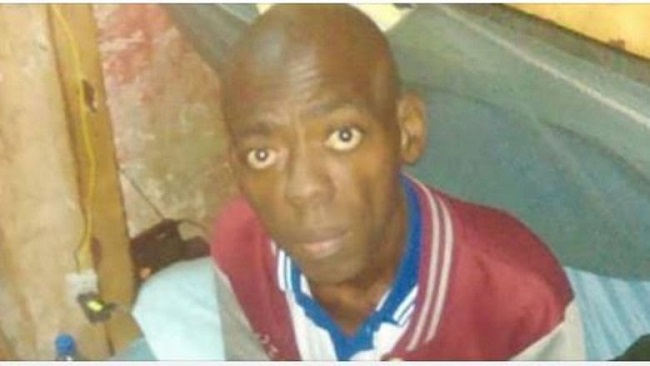
The deteriorating health condition of a Anglophone journalist jailed at the Kondengui maximum security prison in Yaounde has provoked anger and outrage among media men and women and the online community in Cameroon.
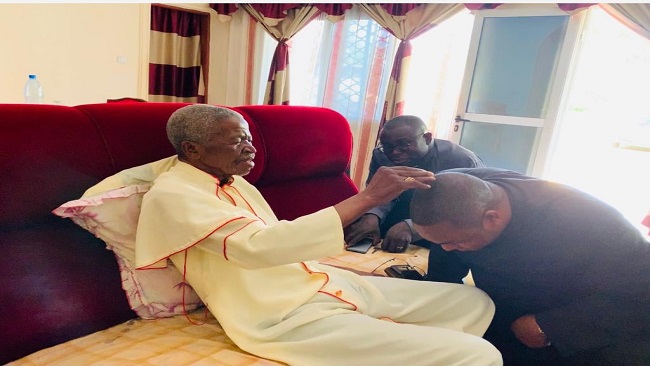
Pictures of Dzenyagha Thomas Awah Junior in his Kondengui cell emerged over the weekend showing the journalist in a dire condition which provoked widespread condemnation with some journalists launching the hashtag #FreeThomasAwah.
Arrested in Bamenda in January 2017, Thomas Awah, Publisher of the Aghem Voice was slammed an 11-year jail term for secession, amongst other charges on May 25, 2018.
The journalist who has a well-documented brain problem that has seen him undergo surgery on several occasions has always denied the charges and maintained he was arrested in the line on duty.
Several applications filed by his lawyer for a bail so he could undergo proper treatment have all been rejected as he languished in his cell.
Source: Journal du Cameroun













18, September 2018
Biya regime will not allow Anglophones without legitimate reasons to leave Southern Cameroons 0
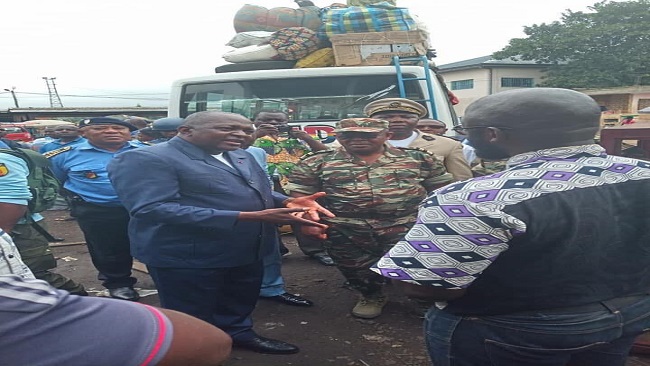
Authorities in Cameroon’s North West region say they will not allow people without legitimate reasons to leave the area. A communique dated September 18 and signed by a regional delegate said the decision had been taken with stakeholders in the transport sector.
“I have the honour to inform the general public that as a measure to secure and protect those persons travelling out of the region, that henceforth, they will be required to provide additional information at their points of departure.
“In effect, they shall state the reason for their departure, the name of the receiver and his or her contact. Anybody who will not comply with this order shall have his or her journey cancelled, the statement added.
People in their hundreds were reported to be quitting the region as the Anglophone crisis continued to take a toll on lives and properties across the region.
The region together with the SouthWest constitutes the country’s minority Anglophone region which has been suffering a security crisis since last year.
Separatist groups are seeking independence from French-majority Cameroon after a series of peaceful protests against marginalization was clamped down by government forces. The separatists are seeking to establish the Federal Republic of Ambazonia.
Reported by Africa News