23, April 2020
UN chief warns that coronavirus poses a risk to human rights 0
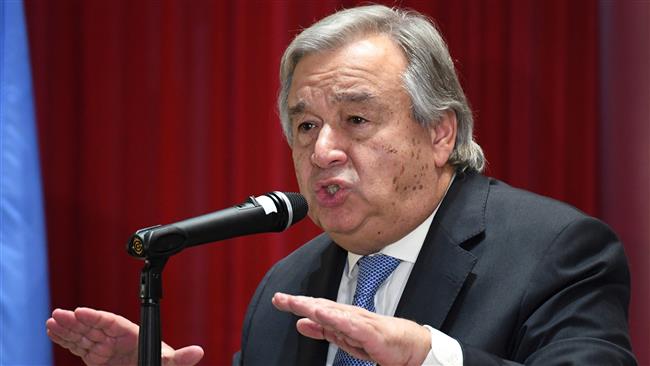
U.N. Secretary-General Antonio Guterres said Thursday that the coronavirus pandemic is “a human crisis that is fast becoming a human rights crisis.”
The U.N. chief said in a video message that there is discrimination in the delivery of public services to tackle COVID-19 and there are “structural inequalities that impede access to them.”
Guterres said the pandemic has also seen “disproportionate effects on certain communities, the rise of hate speech, the targeting of vulnerable groups, and the risks of heavy-handed security responses undermining the health response.”
He warned that with “rising ethno-nationalism, populism, authoritarianism and a push back against human rights in some countries, the crisis can provide a pretext to adopt repressive measures for purposes unrelated to the pandemic.”
In February, Guterres issued a call to action to countries, businesses and people to help renew and revive human rights across the globe, laying out a seven-point plan amid concerns about climate change, conflict and repression.
“As I said then, human rights cannot be an afterthought in times of crisis — and we now face the biggest international crisis in generations,” he said.
The secretary-general said he was releasing a report Thursday on how human rights must guide the response to the virus and recovery from the pandemic. Neither he nor the report name any countries or parties responsible for human rights violations.
Guterres said governments must be “transparent, responsive and accountable,” and stressed that press freedom, civil society organizations, the private sector and “civic space” are essential.
The report said governments also need to take action to mitigate the worst impacts of COVID-19 on jobs, livelihoods, access to basic services and family life.
Guterres said any emergency measures — including states of emergency — must be “legal, proportionate, necessary and non-discriminatory, have a specific focus and duration, and take the least intrusive approach possible to protect public health.”
“Emergency powers may be needed but broad executive powers, swiftly granted with minimal oversight, carry risks,” the report warned. “Heavy-handed security responses undermine the health response and can exacerbate existing threats to peace and security or create new ones.”
The report said the best response is proportionate to the immediate threat and protects human rights.
“The message is clear: People — and their rights — must be front and center,” Guterres said.
Source: AP











23, April 2020
Coronavirus pushes French Cameroun to cancel 2020 Labour and National Day celebrations 0
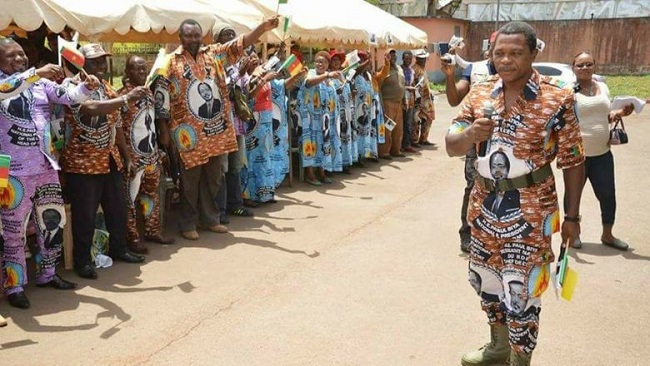
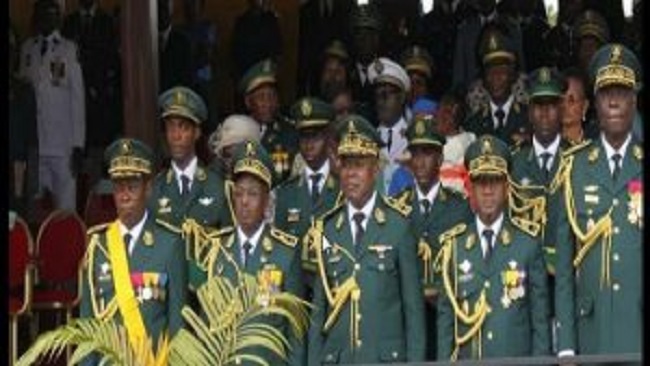
Labour Day and National Unity Day, scheduled for 1 and 20 May respectively, have been cancelled in French Cameroun, the presidency announced Wednesday evening.
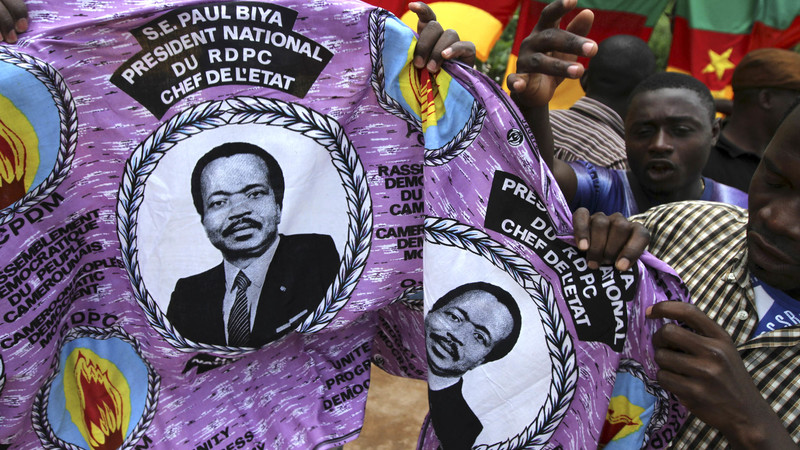
The ruling CPDM gang is using the Coronavirus pandemic as a reason for cancelling the 2020 editions of Labour Day and the so-called National Unity Day that has seen French Cameroun marginalized Southern Cameroonians for 58 years.
“Because of the need to respect the measures of social distancing prescribed by the government of the Republic, President Paul Biya has decided to cancel the public celebrations of the 2020 Labor Day and National Day,” wrote Ferdinand Ngoh Ngoh, Minister-Secretary General at the French Cameroun Presidency of the Republic.
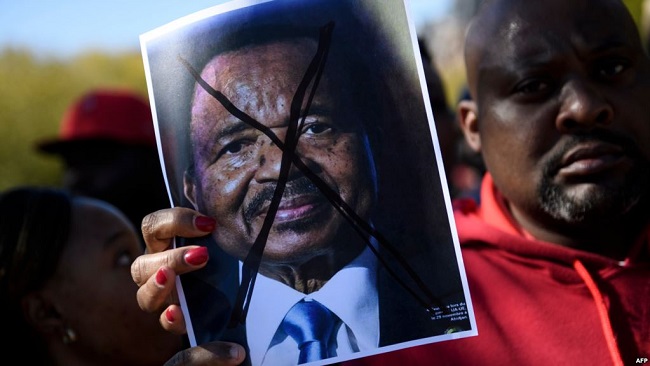
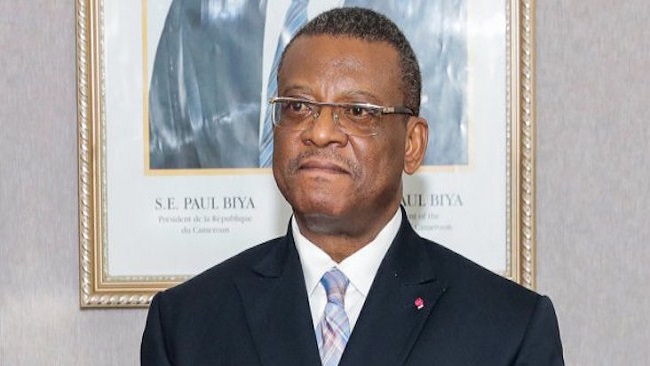
These explanations do not seem to convince all French speaking Cameroonians, some of whom continue to spread the rumour of the death of their head of state despite his recent appearance at an audience with the French ambassador to Cameroon.
By Chi Prudence Asong