19, March 2018
US: Two injured in fourth explosion in Austin, Texas 0
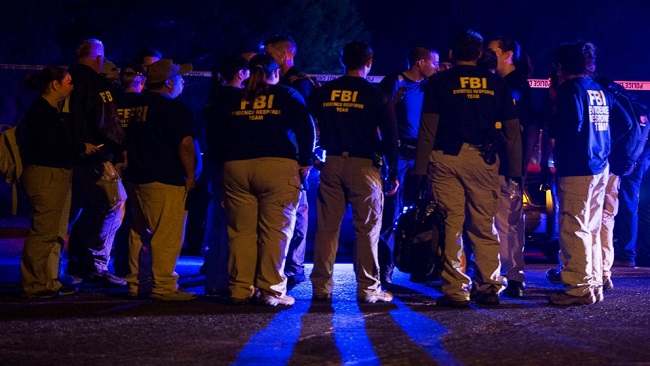
Two people have been injured in another explosion in Texas, the latest in a string of unsolved bombings in the US state this month, police said.
Residents in southwest Austin were asked to stay in their homes overnight after the explosion rocked the area Sunday.
Two men, both in their 20s, were sent to hospital with serious, but non-life-threatening injuries, police said.
Authorities worked to determine if the blast was caused by a package bomb similar to the three that detonated earlier this month in the Texas capital.
Police Chief Brian Manley warned residents not to touch any suspicious packages left at their homes. “What we have right now is a scene where it is obvious that an explosion has taken place.”
The latest explosion happened around 8:30 p.m. in Travis Country, a suburban neighborhood in southeast Austin, far from the previous bombings that targeted residential areas in the eastern part of the city.
It was the fourth explosion to hit Austin in less than three weeks.
The first blast was a package bomb that exploded at a northeast Austin home on March 2, killing Stephen House, 39. Two more package bombs detonated farther south on March 12, killing 17-year-old Draylen Mason and injuring two women, including his mother.
Authorities said all three of those explosions were likely related and involved packages left overnight on doorsteps.
Manley had previously suggested the blasts could have been hate crimes since all the victims were African American or Hispanic.
“We don’t have any evidence,” he said Sunday. “What we know for certain is: We have three victims that are victims of color, and we have three package bombs that have exploded on the east side of Austin,” where many of the city’s minority residents live.
The police chief said he believed the bombings were “meant to send a message,” though he did not say what that message was. Manley added authorities were hoping the bomber was watching and would “reach out to us before anyone else is injured or killed.”
Local and federal authorities have increased the reward for information leading to a conviction in the bombings to $100,000, Manley said.
Texas Governor Greg Abbott has also offered $15,000.
Source: Presstv























19, March 2018
Message to Ambazonians: New Caledonia to vote on independence from France in November 0
Lawmakers on the tiny French overseas territory of New Caledonia voted on Monday to hold an independence referendum on November 4, the culmination of decades of campaigning by separatists to break from their old colonial master.
Better known for its stunning lagoons, pristine Pacific beaches and diverse wildlife, New Caledonia has seen years of bitter political feuding between independence advocates and those who are determined to remain part of France.
Unrest shook the islands in the mid-1980s with as many as seventy people thought to have been killed.
An agreement was signed between France and New Caledonia in 1998 that promised greater autonomy for the archipelago and its indigenous Melanesian Kanak population.
Under the terms of that deal an independence referendum needed to be held by the end of 2018.
On Monday, the island’s legislature finally approved a referendum date — Sunday, November 4 — at a public meeting in the capital Noumea, according to an AFP journalist present, with 38 votes in favor and 14 opposed.
New Caledonia currently holds a unique position as an overseas possession that formulates its own tax, labor laws and trade policy but not defense or foreign policy.
But many of the archipelago’s inhabitants, particularly within the indigenous Kanak community, want full independence.
The territory boasts a quarter of the world’s known resources of nickel, a core component in the manufacture of stainless steel, rechargeable batteries and coins.
But wealth is not evenly spread and backers of independence want major economic reform.
(Source: AFP)