14, October 2018
Outgoing US Ambassador slams UN for electing Cameroon and other human rights abusers to Human Rights Council 0
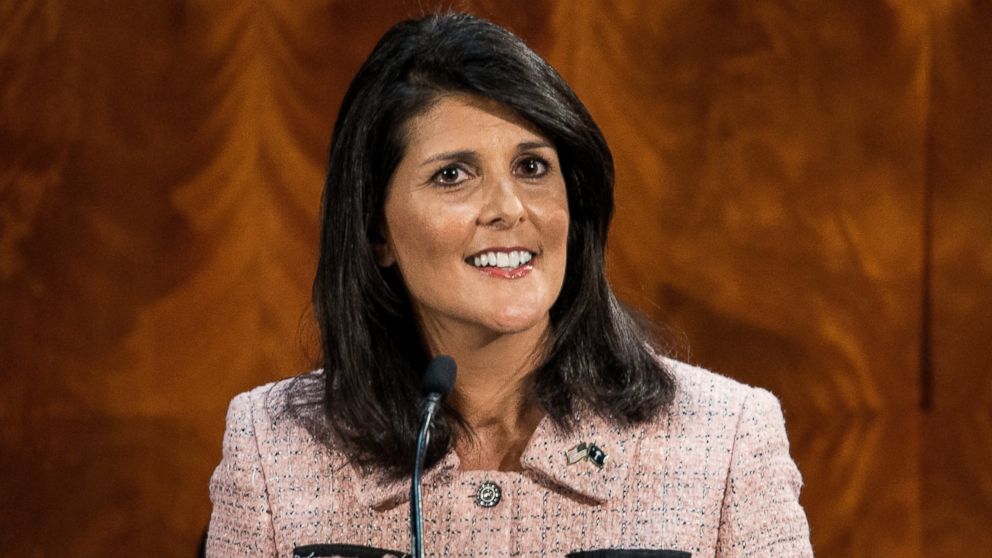
Outgoing U.S. Ambassador to the U.N. Nikki Haley criticized the U.N. Friday after its General Assembly elected new members to the controversial Human Rights Council — including countries with poor human rights records.
The 18 new members were selected from five regional blocs of countries, and their elections were largely predetermined since they were not challenged by other countries.
While other countries with stronger human rights records were voted in — such as Argentina, Czech Republic and Denmark — the addition of those with poor records was cited as evidence by Haley that the U.S. was right to withdraw from the body earlier this year.
“Today, the U.N. chose new members for the Human Rights Council. Yet again, countries with poor human rights records ran uncontested. This lack of standards continues to undermine the organization and demonstrates again why the United States was right to withdraw from it earlier this year,” she said in a statement.
‘This lack of standards continues to undermine the organization and demonstrates again why the United States was right to withdraw from it earlier this year.’
“The United States will continue to support reforms that would make the Human Rights Council credible. More importantly, the United States will continue to be the world’s human rights leader regardless of the suspect composition and poor decisions of the Human Rights Council,” Haley, who is stepping down from her role in January, added.
Haley urged the body to reform in a speech in Geneva in 2017 focusing on its anti-Israel bias and also its membership — which she said led to human rights abusers being protected on the council.
“For too long the human rights council has been a protector of human rights abusers and a cesspool of political bias,” she said in June of this year, announcing the United States’ departure.
The elections had been criticized by a host of other human rights groups as well. Ahead of the vote, Human Rights Watch said the election risks undermining the council’s effectiveness and credibility.
“UN member countries should show their outrage at the Philippines and Eritrea by leaving two spots on the ballot sheet blank and keeping them off the council,” said Louis Charbonneau, U.N. director at Human Rights Watch. “Philippines President Rodrigo Duterte’s abusive ‘war on drugs’ has been a killing frenzy that has left thousands dead. In Eritrea, the authorities persecute and jail government critics and force citizens into indefinite national service.”
Eritrea has been widely condemned as one of the most repressive countries in the world. A report to the Human Rights Council last year by a U.N. special rapporteur condemned Eritrea for its “indefinite length of conscription” and said that the government had “an ongoing unwillingness to meet its obligations and commitments under regional and international human rights instruments.”
Matthew Lee, a U.N. journalist who runs the Inner City Press blog and has focused on alleged human rights abuses in Cameroon, told Fox News that Cameroon’s elevation to the Council was “an outrage.”
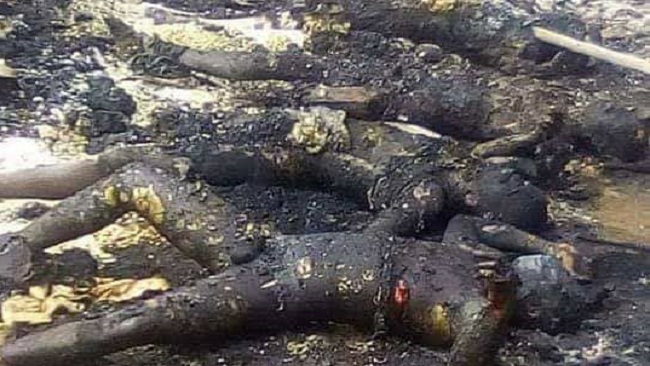
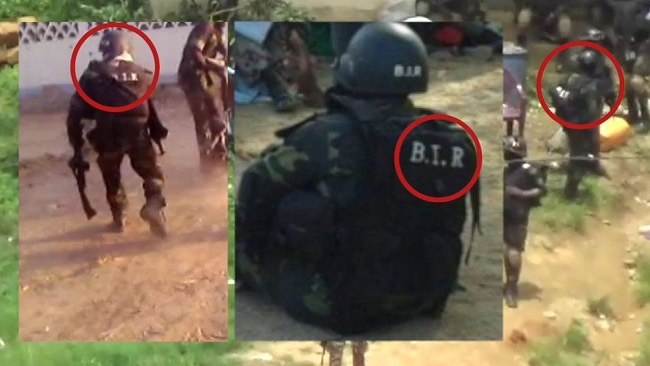
“Only this year the government of 36-year ruler Paul Biya has been found burning villages in the Anglophone areas of the country, disappearing political opponents, and summarily executing women and children, on film,” he said.
The new members will take their seats at the council in January. One of the body’s more controversial members, Venezuela, will be replaced after serving two terms on the council.
Farhan Haq, a spokesman for U.N. Secretary-General Antonio Guterres, said that the matter was a question for the member states themselves.
“Ultimately we don’t evaluate or second guess the decisions made by member states,” he said. “They are the ones who chose to run people for these seats and their the governments who vote for them.”
Culled from Fox News







15, October 2018
Leaked CPDM memo shows Biya tightening grip on Maurice Kamto 0
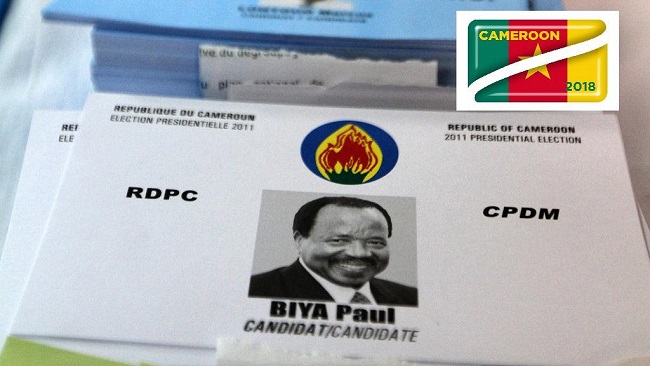
According to a leaked Cameroon government document, CPDM barons are planning to strictly control the activities of Prof Maurice Kamto, the man widely believed to have won the October 7 presidential elections including members of his coalition. The ruling Beti-Ewondo elites are also aiming to further militarise the nation’s capital before the official proclamation of the results.
Meanwhile, leading members of the Francophone dominated Cameroon opposition and civil society groups this week hinted Cameroon Concord News Group about widespread surveillance and intimidation tactics being used against Southern Cameroonians and people from the Western region which is the political base of the President-Elect, Maurice Kamto.
The internal memo, written by the Delegate-General for National Security, Martin Mbarga Nguele was leaked late this evening to our chief intelligence officer in Yaoundé and outlined plans for more than 300 officers to provide what the Biya regime intends to paint as a “protective custody” on Maurice Kamto, leader of the MRC party.
Prof Kamto was recently prevented from holding a press conference and many members of his campaign have been arrested on widely discredited claims that he declared himself winner of the October 7 presidential election.
While mainly detailing measures and tricks and action planned by the Biya regime to link the Kamto Campaign to terrorism, crime and social chaos, the document also mentions broader plans to crush the Southern Cameroons resistance.
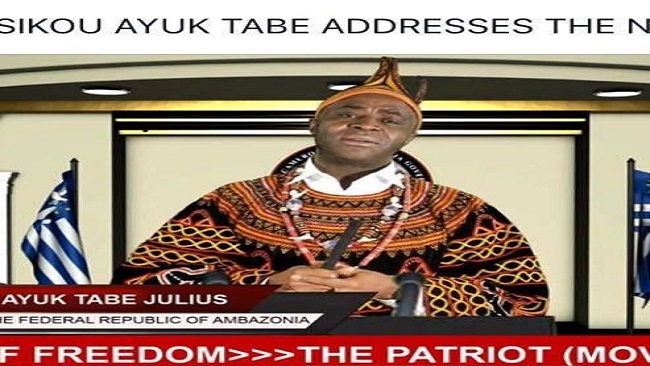
The Francophone authorities are to strictly control activities of Bamilekes and Anglophone civil society organizations, Anglophone and Bamileke unions, Nigerians, former Anglophone military officers and the members of the Interim Government of the Federal Republic of Ambazonia, it read.
The document comes to light after the Maurice Kamto coalition won the presidential elections. The vote has been widely criticised as flawed. The ballot took place following a more than two years of intensified repression of Southern Cameroonians, Biya regime critics and independent media that has seen some 4000 Southern Cameroonians killed, several hundred jailed and some 50,000 living in refugees camps in neighboring Nigeria. There has since been an escalation in the surveillance of opposition groups and critics of the regime, sources said.
Cameroon government spies are currently standing outside Prof. Kamto’s residence and at his political headquarters disguised as news reporters or motorcycle taxi drivers. The Biya spies have been following everyone in the Kamto coalition in Douala, Yaounde and Bafoussam.
There are widespread complaints of police disrupting or shutting down meetings involving the Maurice Kamto Campaign. Recently, Senior Divisional Officers have started demanding that press conferences and political meetings should be banned.
A source, who requested anonymity for fear of reprisals, told this reporter that they had heard from sources in Cameroon’s secret service that a meeting had been pencilled in for the end of this week to draw up a list of top Bamilekes to be monitored by the regime. The Betis have recruited many social media gurus to help in the fight to guarantee Biya’s continued stay in power.
The CPDM regime is mixing traditional techniques such as physical surveillance and intimidation with modern approaches including the use of digital tools in CAMTEL, the Ministry of Post and Telecom and the judicial system to silence Kamto and his coalition and by extrapolation, the Cameroonian people. Any hopes that space for critical voices would re-emerge after the October 7th election had been quashed.
The constant monitoring, intimidation and harassment of religious leaders and the corresponding lack of transparency and accountability when it comes to attacks against opposition figures has created an atmosphere of fear and insecurity.
By Soter Tarh Agbaw-Ebai