
24, November 2025
Pope Leo XIV appeals for release of hostages in Cameroon 0
In Cameroon earlier this month, a group of Catholic priests and lay faithful were kidnapped, as well.
According to a letter from the Archdiocese of Bamenda received by Crux and published to archdiocesan social media on Saturday, a parish priest and his assistant were taken by separatist Ambazonian fighters on Nov. 15.
For years, the separatists have been trying to establish an independent state in the English-speaking western reach of Cameroon on the border with Nigeria.
Four other priests and one layman, who had gone to plea for the parish priest’s release, were held by the fighters.
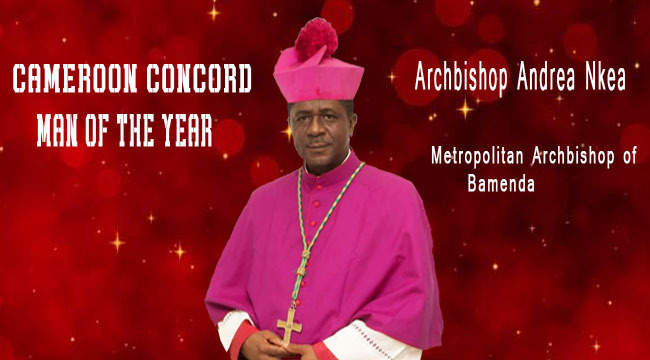
The letter from Bamenda’s archbishop, Andrew Nkea, says all but one of the hostages – Father John Berinyuy Tatah – have been released. Tatah, the letter states, is being held for ransom.
“We have made our position clear that the Church never gives ransoms,” the letter states.
The archbishop’s letter also calls on clergy and religious in the Ndop deanery of Baba 1 – the administrative division of the archdiocese in which the kidnappings took place – to close schools and churches if the hostage is not released by Wednesday, Nov. 26.
“If by Friday, 28th November 2025, Fr. John is still in captivity,” the letter states, “the Archbishop, all the priests, religious and members of Christ’s lay faithful will go to Baba 1 and march to the place where Fr. John is being held, and either bring him home, or remain there until he is released.”
The letter also calls on military personnel “to be professional and ethical in their relationship with the people,” noting that soldiers are “supposed to maintain law and order and ensure the security of the people,” rather than “exploit them by collecting money from them or torturing them in any way.”
Source: Crux













24, November 2025
Archbishop Nkea attacks Amba fighters targeting priests 0
Catholic leaders in Cameroon’s restive North-West region have issued a scathing condemnation of the recent kidnapping of priests, stating that the targeting of religious figures is a clear sign that the separatist struggle has “lost focus” and devolved into pure criminality.
Their remarks follow the abduction of six priests and one member of the laity from the Archdiocese of Bamenda.
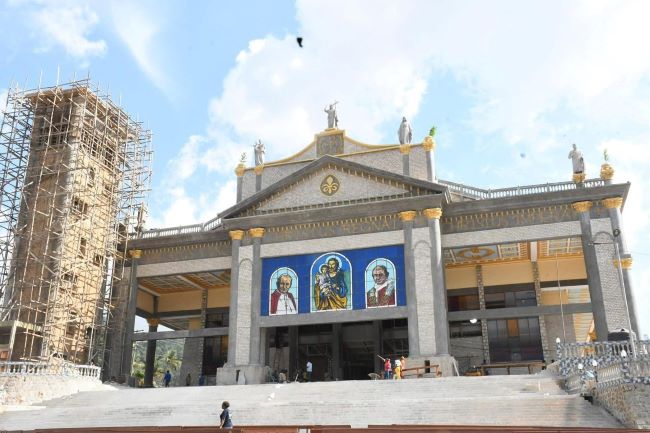
According to a release signed by the Archbishop of Bamenda, Archbishop Andrew Nkea Fuanya, gunmen abducted Father John Berinyuy Tatah, the parish priest of Babessi, and his assistant on Nov. 15, as they returned from the Mass inaugurating the PAX University Institute in Ndop.
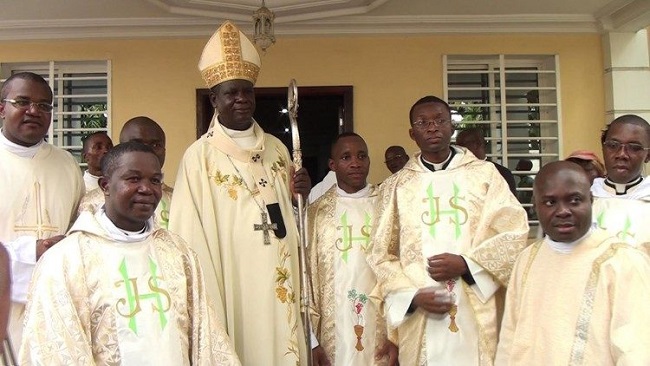
On Nov. 18, four priests and one lay person went to negotiate with the gunmen for the release of the two priests but were also taken captive. While the group was later released, Tatah remains in captivity, with his captors demanding a ransom.
In a Nov. 23 release, Nkea declared the Church will not pay the ransom, setting a Wednesday deadline for the captors to free the priest. He warned that if the deadline passes, all Catholic institutions in the Ndop Deanery will be closed and religious personnel will withdraw.
“The frequent kidnapping of our priests and mission personnel has pushed us to the wall and we say that this should stop with immediate effect,” he added, noting that many lay Christians have also been tortured or killed.
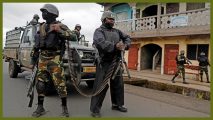
The recent kidnappings are the latest crimes in the separatist conflict that has rocked Cameroon’s English-speaking North West and South West regions for nine years.
The crisis stems from the 1961 reunification of the former French and British Cameroons, creating a bilingual state where the English-speaking minority has long felt marginalized by the Francophone-dominated central government.
Tensions over the perceived erosion of the common law legal system and English-language education practiced in the English-speaking regions boiled over in 2016, leading to peaceful protests that were met with a harsh security crackdown. This response radicalized many in Cameroon’s English-speaking regions, sparking an armed insurgency for an independent state called “Ambazonia.”
But what began as a genuine fight for identity has degenerated into criminality, Church leaders argue, and the kidnapping of priests is a testament to this decline.
“The focus has been lost because we cannot be fighting the church, a moral institution and its authority,” said Edith Tanyi, National President of the Catholic Women’s Association (CWA), expressing the disgust and frustration felt by many faithful.
Valentine Tameh, an executive member of the Catholic Men Association in the Bamenda archdiocese, questioned the spiritual legitimacy of a movement that attacks men of God.
“We have heard over and over that the struggle is God-ordained. But when such things begin to happen, then you ask, how can it be God-ordained when priests, pastors, bishops are being kidnapped?” he told Crux.
Tameh argued the conflict has shed any pretense of being a political movement.
“These kidnappings tell me that the ongoing struggle is not a rational struggle any longer,” he asserted. “I think I will not hesitate to call this criminality now… what progress has those huge, extorted sums brought to the people? Nothing at all. So, it’s more or less criminality now,” he said.
Pricillia Agendia, Director of Communication for the Archdiocese, highlighted the demoralizing effect on the community, noting that priests are now targeted “on average, weekly.” She warned that such tactics are undermining the separatists’ cause by alienating potential sympathizers.
“The kidnappings are not helping in any way in resolving the crisis because kidnappings are sending the wrong message about a crisis that drew sympathy at the beginning,” she told Crux.
In his release, Nkea also urged the military to be more professional and ethical—a veiled reference to abuses also committed by security forces. He called on all stakeholders “to do everything within their powers to dialogue and bring this crisis to an end.”
“The people of the North West and South West regions have suffered enough and they deserve to have a quiet life,” the archbishop said.
Source: Crux