13, April 2026
Iran President slams Trump’s insult to Pope Leo 0
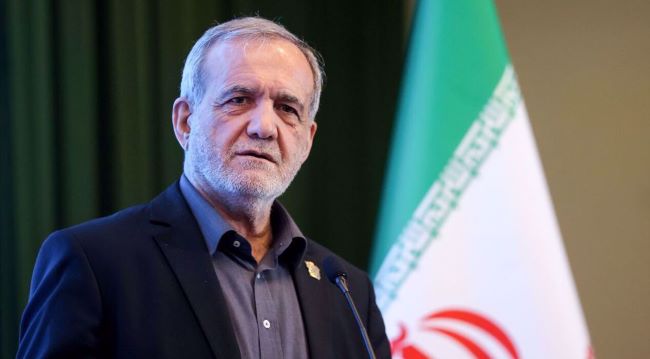
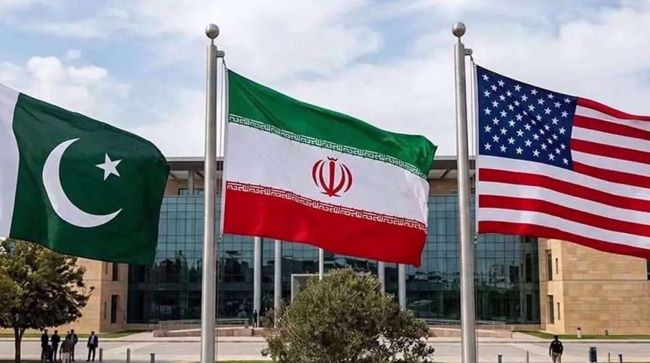
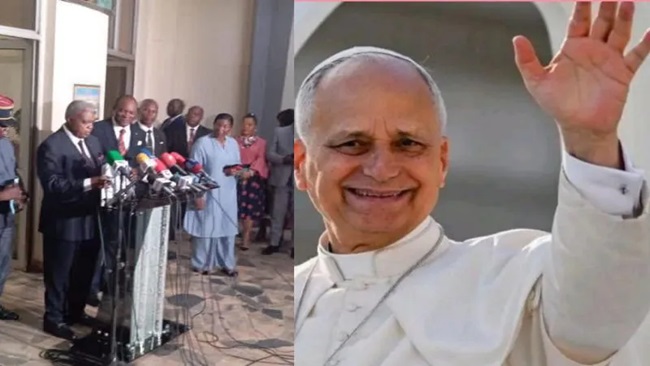
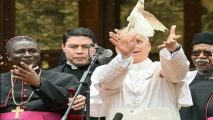
Iranian President Masoud Pezeshkian censures “insult” to Pope Leo XIV following his condemnation of the unlawful act of aggression by the United States and the Israeli regime against the Islamic Republic.
In a Monday post on X, Pezeshkian addressed his Holiness Pope Leo XIV and said he condemns the insult to his Excellency on behalf of the great Iranian nation.
“I declare that the desecration of Jesus, the prophet of peace and brotherhood, is not acceptable to any free person,” the president wrote.
He wished the Catholic leader glory by Almighty God.
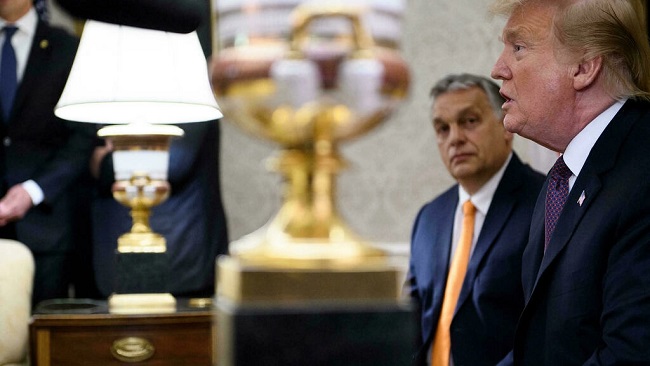
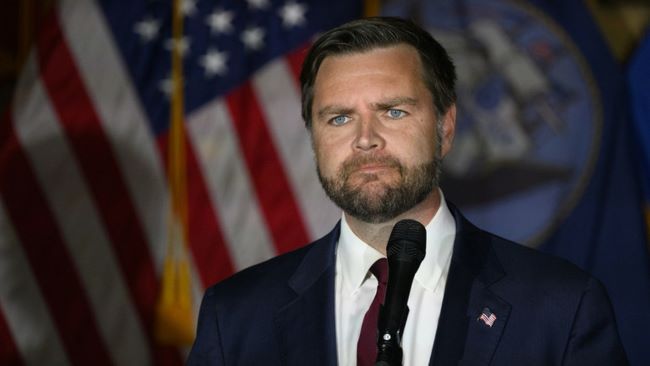
Pezeshkian’s post comes after US President Donald Trump on Sunday attacked Pope Leo XIV for his condemnation of the US-Israeli aggression on Iran, saying he is not a fan of the Catholic leader.
During a Q&A with reporters aboard Air Force One, Trump said, “We do not like a pope that is going to say that it is OK to have a nuclear weapon … He is a man that does not think that we should be toying with a country that wants a nuclear weapon so they can blow up the world,” adding, “I am not a fan of Pope Leo.”
Speaking to reporters aboard the papal flight to Algiers on Monday, the Pope said he will continue to speak out against war and suffering.
The leader of the 1.4-billion-member Catholic Church stated that while he will not stop spreading his message of peace, he has no desire to get into a debate with Trump.
“I will continue to speak out loudly against war, looking to promote peace, promoting dialogue and multilateral relationships among the states to look for just solutions to problems,” he said.
“Too many people are suffering in the world today … Too many innocent people are being killed. And I think someone has to stand up and say there is a better way,” he added.
The United States and Israel launched their unprovoked war of aggression against Iran on February 28. They assassinated Leader of the Islamic Revolution Ayatollah Seyyed Ali Khamenei and struck nuclear sites, schools, hospitals and civilian infrastructure.
During the war, Iranian Armed Forces unleashed 100 waves of successful retaliatory strikes against sensitive and strategic American and Israeli targets throughout the region.
They also blocked the Strait of Hormuz to oil and gas tankers affiliated with the adversaries and those cooperating with them in an attempt to maintain security at the strategic waterway.
Source: Press TV










14, April 2026
Strait of Hormuz: Joint statement by the heads of the International Energy Agency, International Monetary Fund, and World Bank Group 0
The Heads of the International Energy Agency, International Monetary Fund, and World Bank Group met today as part of the coordination group they established in early April to maximize their institutions’ response to the energy and economic impacts of the war in the Middle East. At the end of their meeting, they issued the following statement:
“As we noted earlier this month, the impact of the war is substantial, global, and highly asymmetric, disproportionately affecting energy importers, in particular low-income countries. The shock has led to higher oil, gas and fertilizer prices, triggering concerns about food security and job losses as well. Some oil and gas producers in the Middle East have also seen a dramatic loss of export revenue.
The situation remains very uncertain, and shipping through the Strait of Hormuz is yet to normalize. Even after a resumption of regular shipping flows through the Strait, it will take time for global supplies of key commodities to move back towards their pre-conflict levels—and fuel and fertilizer prices may remain high for a prolonged period given the damage to infrastructure. Due to supply disruptions, shortages of key inputs are likely to have implications for energy, food, and other industries. The war has also forcibly displaced people, impacted jobs, and reduced travel and tourism, which may take time to reverse.
Today, we shared our latest assessments, ahead of the release this Tuesday, April 14, of the IEA’s monthly Oil Market Report and IMF’s World Economic Outlook. We also discussed the situations of the countries most affected by the shock as well as the responses by our institutions. Our teams are working closely, including at country level, to leverage our respective expertise and help countries through tailored policy advice and, in the case of the IMF and World Bank, financial support where needed.
We will continue to monitor closely and assess the impact of the war on energy markets, the global economy and individual countries, and to coordinate our response and support to our member countries—working with, and drawing on, other international organizations’ expertise as needed to lay the foundations for a resilient recovery that delivers stability, growth and jobs.”