
27, July 2018
Cameroon’s Escalating Conflict Triggers Alarm at UN 0
The U.N. High Commissioner for Human Rights, Zeid Ra’ad Al Hussein, is seeking access to Cameroon to verify what he says are alarming reports of horrific abuse by separatist and government forces in the country’s English-speaking Northwest and Southwest regions.
The U.N. human rights office said the situation in Cameroon’s English-speaking communities has worsened considerably since protests against what the English-speakers see as structural discrimination started two years ago.
The Anglophones are demanding an end to what they allege is their economic and political marginalization by the country’s Francophone majority.
The High Commissioner’s spokeswoman, Ravina Shamdasani, told VOA what began as protests for greater access to jobs and linguistic equality has gotten out of hand. She said violence by both armed separatists and the government has spiraled out of control.
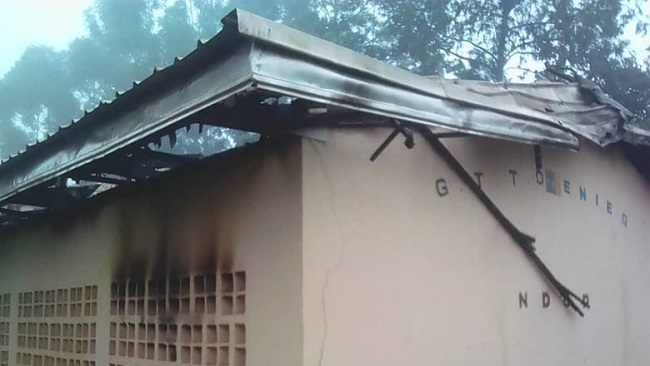
“The violent separatists, these armed groups are killing people, torching schools, carrying out kidnappings and extortion and all sorts of horrible human rights abuses to try to disrupt the situation,” she said. “The government’s role should be to protect people in such a horrible environment. Instead, the government is employing a heavy-handed response, which is not helping the situation. It is further causing human rights violations.”
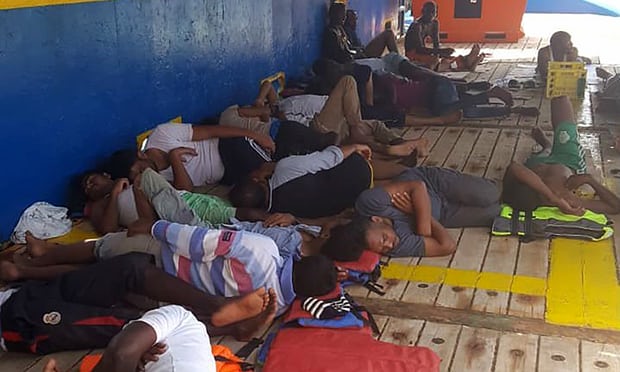
United Nations figures show more than 21,000 refugees have fled to neighboring countries, while some 160,000 people are internally displaced by the violence, with many reportedly hiding in forests.
An army spokesman has rejected charges of abuses by the security forces as “rumors.”
Shamdasani said there is a lot of misinformation and propaganda on both sides. She added that the High Commissioner has asked that monitors be allowed to verify allegations of abuse against both security forces and armed separatists.
The government has rejected this request, she said. Consequently, she added that the U.N. human rights office will have to consider other options to keep tabs on the situation, including remote monitoring.
Source: VOA
















27, July 2018
BRICS nations pledge enhanced economic cooperation in face of US tariff threats 0
The member states of BRICS, the association of five major emerging economies, have pledged to strengthen their economic cooperation as the US continues to beat the drum for trade war and unilateralism.
“We express concern at the spill-over effects of macro-economic policy measures in some major advanced economies,” the heads of the BRICS group — Brazil, Russia, India, China and South Africa – said in a joint statement on Thursday after meeting in Johannesburg for an annual summit.
They added that the multilateral trading system is facing unprecedented challenges, stressing the importance of an open world economy.
Addressing the 10th BRICS summit in South Africa on the second day of the talks, Chinese President Xi Jinping said, “We should stay committed to multilateralism”.
He further called on BRICS members states to deepen strategic partnership and open up the second “golden decade”.
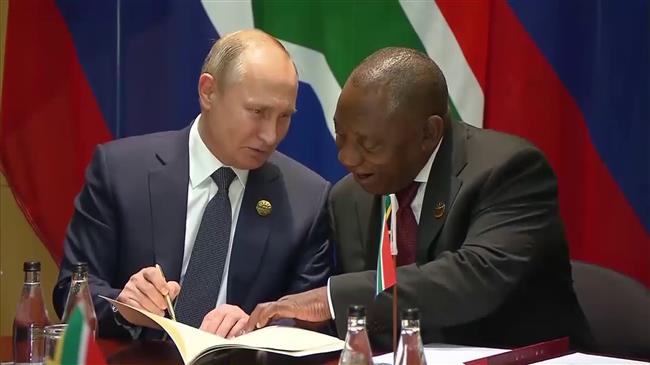
The session, hosted by South African President Cyril Ramaphosa, was also attended by Brazilian President Michel Temer, Russian President Vladimir Putin, and Indian Prime Minister Narendra Modi.
Putin also addressed the summit, saying, “BRICS has a unique place in the global economy — this is the largest market in the world, the joint GDP is 42 percent of the global GDP and it keeps growing”.
“In 2017, the trade with our BRICS countries has grown 30 percent, and we are aiming at further developing this kind of partnership,” he said.
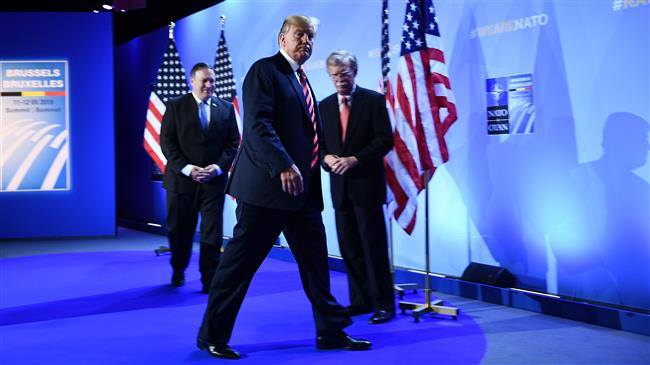
US President Donald Trump has said he is ready to impose tariffs on all $500 billion (428 billion euros) of Chinese imports, complaining that China’s trade surplus with the US is due to unfair currency manipulation.
Trump has slapped levies on goods from China worth tens of billions of dollars, as well as tariffs on steel and aluminum from the EU, Canada and Mexico.
The BRICS summit is taking place in Johannesburg between July 25 and 27. Heads of state or government from the five member states (Brazil, Russia, India, China and South Africa) are discussing areas of possible cooperation.
Source: Presstv