
12, June 2026
Exam leaks in CPDM Cameroon: A symptom of a deeper corruption crisis 0
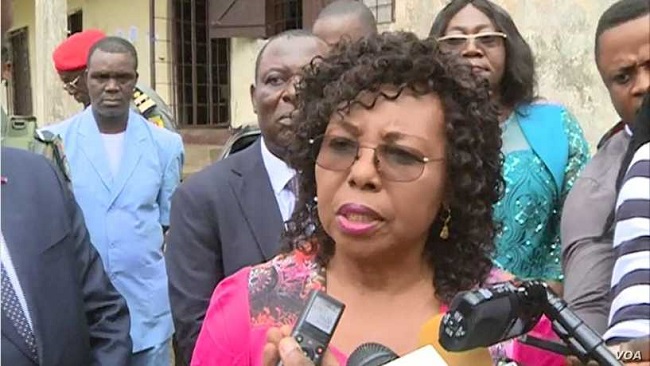
The recurring problem of examination leaks in Cameroon is often treated as an isolated failure of educational administration. However, many Cameroonians have now opined that these incidents reflect a broader culture of bad governance, lack of accountability and corruption that has developed under the long rule of the 92-year-old President Paul Biya and his CPDM government based in Yaoundé.
For members of the ruling CPDM crime syndicate who do not know, examination leaks undermine the integrity of the country’s education system. The leaks devalue the hard work of honest students, erode public confidence in academic qualifications and create unfair advantages for those with access to privileged networks. Yet such leaks do not occur in a vacuum. They require the involvement or at least the negligence of individuals entrusted with safeguarding examination materials in all the ten regions of Cameroon.
Some commentators contend that the persistence of these scandals points to a deeper governance problem in Yaoundé. When state institutions lack transparency and government officials are rarely held accountable for misconduct, corruption can spread throughout public service establishments. In such an environment, the temptation to exploit confidential examination materials for personal gain becomes greater, while the likelihood of meaningful consequences remains low.
Under President Biya’s administration, opposition figures and civil society groups have frequently raised concerns about corruption, patronage and institutional weakness. They argue that these systemic issues have contributed to declining public trust in state institutions, including the education sector. From this perspective, examination leaks are not merely educational failures but symptoms of broader political and administrative shortcomings.
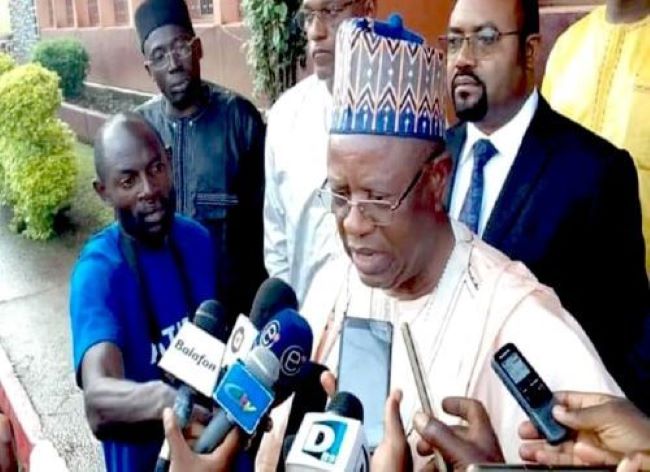
Supporters of the corrupt Biya regime, however, maintain that examination malpractice is a challenge faced by many countries and should not be attributed solely to national political leadership. They point to efforts by education minister Prof Nalova Lyonga to strengthen security measures, investigate leaks and punish offenders.
Nevertheless, the repeated occurrence of examination leaks raises difficult questions. If anti-corruption measures are effective, why do similar scandals continue to emerge? Why do students and parents repeatedly fear that examination results may be compromised? These concerns suggest that stronger oversight, greater transparency and more robust accountability mechanisms are needed.
Ultimately, restoring confidence in Cameroon’s education system will require more than tightening examination security. It will require building institutions that reward integrity, punish misconduct and operate independently of political influence. Until those broader governance challenges are addressed, examination leaks are likely to remain a troubling reflection of deeper problems within the state.
By Soter Tarh Agbaw-Ebai

















12, June 2026
World Cup: Mexico begins process of taking South African jobs 0
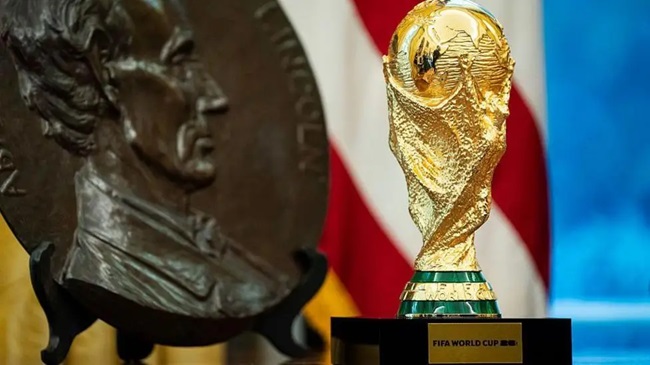
Mexico delivered a statement in the 2026 World Cup’s opening match, dominating South Africa 2-0 at the Azteca Stadium.
Julian Quinones scored the opening goal of the tournament and veteran striker Raul Jimenez added a second as the co-hosts’ bid for qualification from Group A got off to smooth start.
South Africa meanwhile never looked like spoiling the opening day fiesta, and finished with only nine men after Sphephelo Sithole and Themba Zwane were sent off.
The Mexican-colored red, green and white smoke from pre-game fireworks had barely dissipated before Quinones fired the hosts into the lead on nine minutes, drilling a low shot through the legs of South Africa’s goalkeeper and captain Ronwen Williams.
A deafening roar cascaded down from the stands of the Azteca, the footballing cathedral that became the only stadium to host games at three different World Cups.
South Africa coach Hugo Broos had warned his players to be ready for the intimidating atmosphere created by a capacity 80,824 crowd at the imposing concrete arena.
Two red cards
But South Africa’s players looked to have a bad case of stage fright as Mexico’s fans greeted each completed pass with a raucous chorus of “Ole!” in the opening minutes.
Sithole seemed particularly affected, being caught in possession trying to play out of the back for Quinones’ opening goal.
Sithole’s miserable afternoon ended with a 49th minute dismissal after bundling over Mexico’s Brian Gutierrez when clean through on goal.
Mexico rammed home their advantage in the 67th minute, with a fine counter attack culminating in Roberto Alvarado crossing for Wolverhampton Wanderers forward Jimenez to nod home at the far post.
It got worse for South Africa in the 84th minute when Zwane was dismissed after a VAR review for flinging an arm into the face of Alvarado.
There was still time for late drama when Mexican defender Cesar Montes was shown a red card for a clumsy challenge on Khulisa Mudau on the edge of the penalty area.
Source: AFP