

9, December 2020
Southern Cameroons Crisis: Mayor’s residence burnt in Bamenda 0
Ambazonia Restoration Forces defending the Mezam County have burnt down the residence of the Mayor of Bamenda II, Peter Chenwi. The mayor’s residence situated in the Ntasen neighborhood in Bamenda III Subdivision went up in flames on Monday, December 7, 2020.
The mayor reportedly took part in the so-called regional elections banned by the Ambazonia Interim Government, fled his Ntasen home and relocated to Up-Station in Bamenda.
The Francophone administration in Bamenda, the chief city in Southern Cameroons Northern Zone said in a statement that no human casualty was recorded when armed men stormed the Mayor’s Ntasen residence on Monday.
Ambazonia Restoration Forces have already declared that they would enforce the death penalty all over Southern Cameroons-Ambazonia soonest and the names of many South West Chiefs and North West Fons are prominent on the list.
Cameroon Concord News understands several traditional authorities and councilors across Southern Cameroons were transported to the polling centers in military vehicles just to prove that the elections took place in normal circumstances.
At the heart of the crisis, which started in 2016, was a strike by teachers and lawyers, in the English-speaking regions of Cameroon. The professionals, supported by citizens of their areas, protested the unfair use of the French language and unjustified appointments of French speakers in their territories. Cameroon is a bilingual country. By 2017, the situation had spiralled out of control and developed into a fully-fledged separatist war. Both government forces and separatists are now bogged down in a conflict that observers say, can only be resolved through dialogue.
By Fon Lawrence in Bamenda















10, December 2020
French Cameroun: Ruling CPDM Crime Syndicate claims victory in first regional election 0
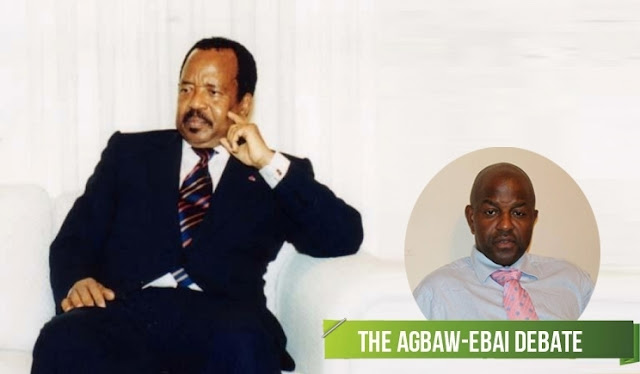
The party of Cameroon’s President Paul Biya overwhelmingly won in the country’s first regional election held over the weekend, according to official results published Wednesday, in a vote which was boycotted by the opposition.
The long-serving leader had called the election partly to defuse a separatist insurgency in the English-speaking west.
A 24,000-strong electoral college made up of municipal councillors and traditional chiefs voted to fill the posts of 900 regional councillors: 90 for each of the country’s 10 regions.
The ruling party won in nine of the 10 regions, while the 10th was won by a party in the presidential majority, according to results collected by AFP region by region from the Ministry of Interior and from Elecam, the body in charge of organising the vote.
The results did not come as a surprise, as municipal councillors with the greatest proportion of votes were overwhelmingly from the ruling party.
In the anglophone Northwest and Southwest regions, which have been plagued by a bloody conflict between the military and separatist groups for nearly four years, Biya’s party, the People’s Democratic Movement (RDPC), was the only one in contention.
The two main opposition parties, Maurice Kamto’s Movement for the Rebirth of Cameroon (MRC) and the Social Democratic Front (SDF) had both boycotted the polls.
Kamto has organised protests against Biya in recent months, claiming that holding elections before finding a solution to the secessionist conflict in the anglophone regions amounts to supporting partition.
The army has been fighting secessionists since 2017, and both sides are accused of abuses against civilians.
The government had presented these first regional elections as a historic step in completing the country’s decentralisation of power and settling the anglophone crisis — even if they were first set out in the 1996 constitution.
Biya dusted off the measures after coming under intense pressure from the international community over the uprising that has so far cost 3,000 lives and forced more than 700,000 people to flee their homes.
Biya, who has ruled the country for 38 years, has faced an unprecedented surge of street protests against his regime in recent years.
In addition to that, the far north of the country has been repeatedly targeted for attacks by jihadists.
Source: AFP