
25, June 2021
Biya regime plans second global bond sale to finance virus spending 0
Cameroon plans to tap international markets for the second time in six years as the Central African nation seeks resources to finance an expanded budget.
The government may sell a 10-year or 12-year euro-denominated bond after a series of investor meetings that commenced Wednesday, according to people familiar with the transaction. The country appointed Citigroup Inc., JPMorgan Chase and Co. and Societe Generale SA to manage the sale, the people said.
The government increased proposed spending in its 2021 budget by 13% to 5.5 trillion CFA francs ($10 billion) as it seeks to reduce debt and pay for programs to counter the impact of the Covid-19 pandemic.
Cameroon raised $750 million at 9.5% in its international debt-market debut in 2015. The yields on those bonds maturing in 2025 have dropped 187 basis points this year, and were at 5.06% by 12:30 p.m. in London. The country has made an offer to buy back some of the securities, depending on the success of the new offer.
The sale comes at a time when debate about the speed at which the U.S. Federal Reserve will roll back stimulus is putting upward pressure on global yields. Negative yields on German benchmark 10-year bonds are inching closer to zero, trading around -0.173% on Thursday.
Cameroon, assessed at sub-investment grade B by Fitch Ratings and a notch lower by S&P Global Ratings, follows Benin, Ivory Coast and Senegal as sub-Saharan African nations to raise euro-denominated debt this year, and Ghana and Kenya that sold dollar bonds.
Source: Bloomberg











26, June 2021
Southern Cameroons-Biya-Dangote Meeting: Saying nothing can be riskier than saying something 0
Except for the Igbos, all big businesses in Nigeria have political backing and many Nigerian political elites have been urging business tycoons to weigh in on politics and make huge campaign contributions.
This situation is also true in Cameroon where all CEOs running major corporations are chartered members of the ruling CPDM party also known as the crime syndicate.
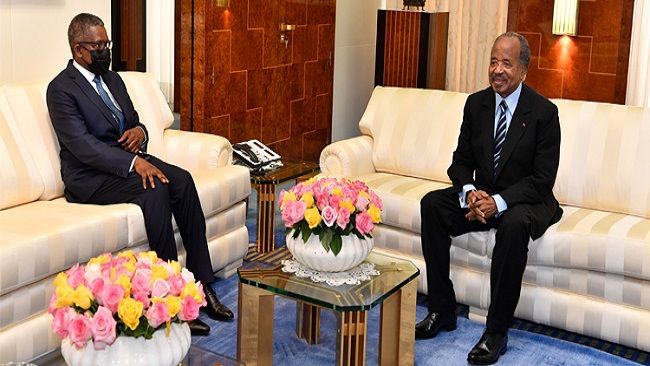
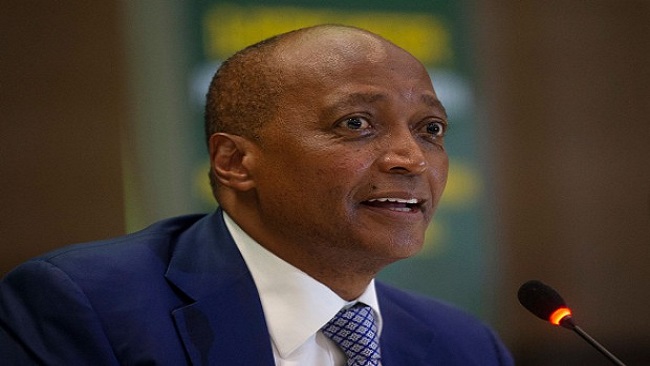
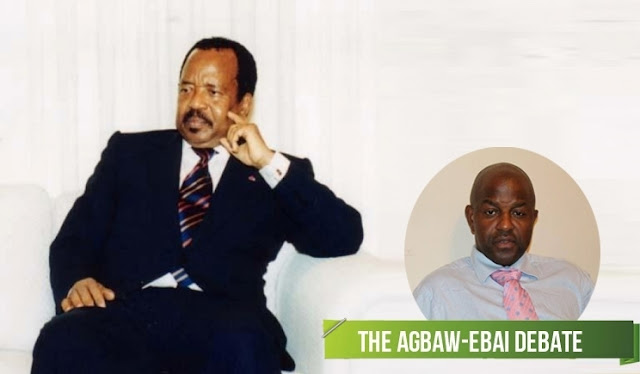
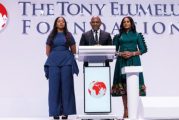
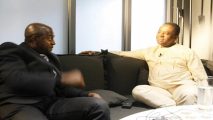
The recent meeting between the 88-year-old President Paul Biya and Nigerian billionaire Aliko Dangote in Yaoundé, heralded the view that businesses have a right to participate in the political process.
Aliko Dangote’s trip to Cameroon was to weigh into a highly incendiary issue-the war in Southern Cameroons. To be accurate, it was a mission designed to placard the international business community that Cameroon is stable and that the war-torn country is still attracting prominent investors.
Dangote finally met the man that the French government has been using to fight against his cement empire in Francophone Africa and of course the Unity Palace meeting will invite serious consequences in the long term.
There is no African leader alive who’s benefited more from corporations’ spending money on politics than President Biya who continue to receive millions of US dollars from Elf, Exxon, Brasseries, and Euro-Oil in corporate donations to guarantee his stay in power.
It was stupid for Mr. Dangote to say the things he said about the butcher of Yaoundé which revealed that he (Dangote) was playing a key role on the divisive political issues in Cameroon. A growing number of consumers of Dangote cement in Cameroon are demanding that Dangote and his brands stand up for human rights whether the issue is controversial or not. Mr. Dangote avoided this area during his conversation with Biya.
Correspondingly, Cameroonian consumers want Dangote to be more human, to have a social conscience, to care about the Southern Cameroons refugees living under horrible conditions in Nigeria, Southern Cameroons women and children displaced by the fighting, and the poor in the country and so on and this requires him to follow the example of Mo Ibrahim and take a stance on political and social issues.
So our Cameroon Concord Group warning to Aliko Dangote is to stay out of Cameroon. The meeting with Biya was very irritating and Dangote’s reckless and tactless comments to the French Cameroun media must be condemned. The French Cameroun genocidal campaign going on in Southern Cameroons has put Dangote on the spotlight for the wrong reasons- In Cameroon today, saying nothing can be riskier than saying something.
English speaking Cameroonians were not expecting a business magnet of Dangote’s pedigree to receive an award or state honour from a man with so much blood in his hands. Dangote should instead join forces with Mo Ibrahim and campaign for multinationals to stop making political donations to dictators like Biya.
It is regrettable that the sense of urgency on Dangote’s Cameroon visit came only after the EU and US business regulators hinted that Cameroon was no longer safe for foreign investments.
This begs the question: What role, if any, do you think Dangote’s expressed interest in Cameroon’s oil and gas sector would play in the divided nation’s political discourse? Both French and British Southern Cameroonians don’t separate individuals from businesses anymore and consequently, Dangote’s statement on CRTV has damaged his business in Cameroon.
We of the Concord Group believe and fervently too that Aliko Dangote whose fortune has been linked to the military dictatorship in Nigeria for more than three decades, should concentrate on buying Arsenal Football Club than investing in Cameroon’s oil and gas.
By Soter Tarh Agbaw-Ebai