22, January 2019
Yaounde, Beijing Look to Improve Ties Amid Miners’ Tensions 0
Chinese President Xi Jinping’s special representative was in Cameroon this weekend to improve relations between the two countries. Trade and security ties have steadily grown between Beijing and Yaounde. But tensions between Cameroonian and Chinese miners has given China a bad name
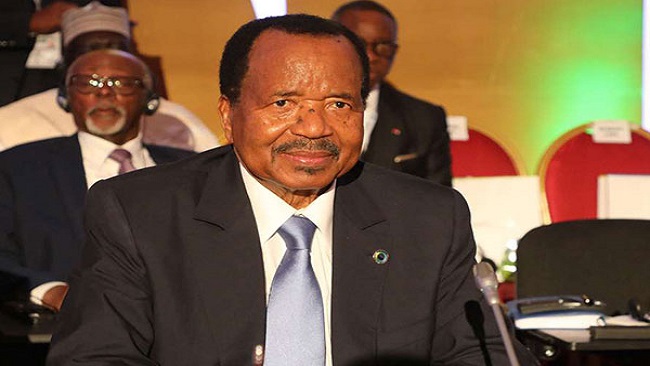
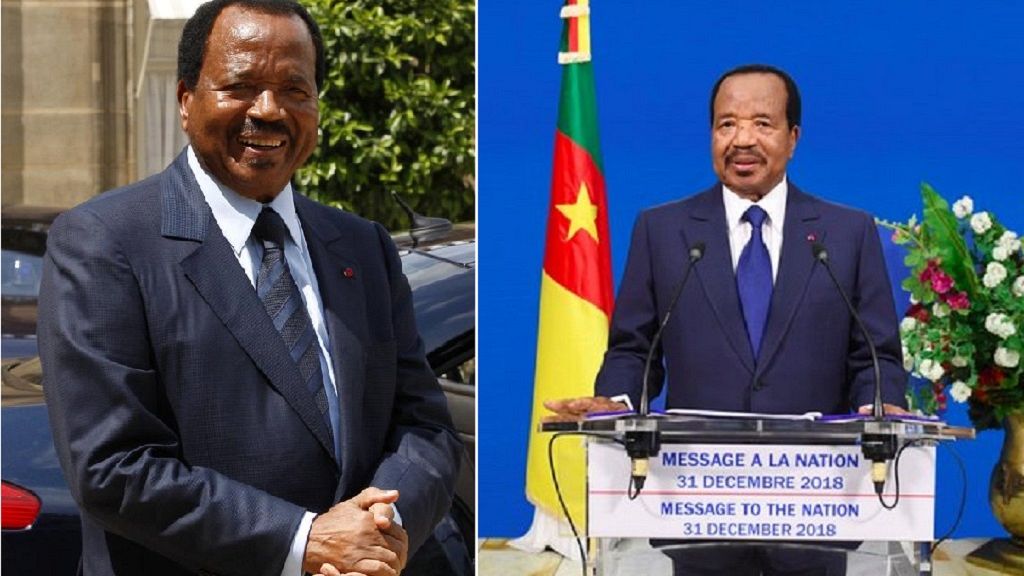
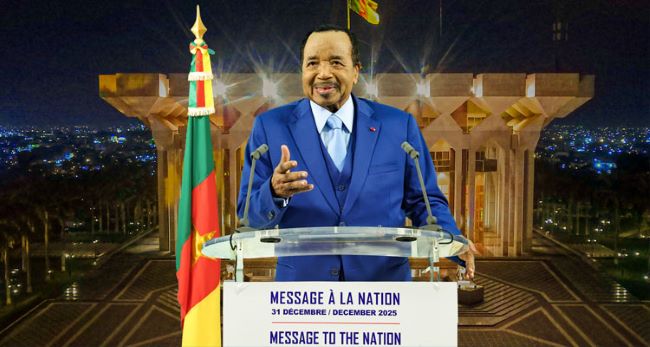
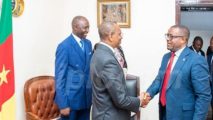
When Cameroonian President Paul Biya hosted China’s special representative Yang Jiechi on Friday, both men had nothing but good things to say.
Biya welcomed China’s Belt and Road Initiative – Beijing’s multi-billion-dollar plan to connect Asia, Europe and Africa.
Yang said bilateral relations had reached a new starting point with important development opportunities.
When asked by VOA about the common belief that Chinese are exploiting Cameroon, Yang called it a misunderstanding. He said Cameroon and China need to work closely to make their people realize that they stand to benefit a lot.
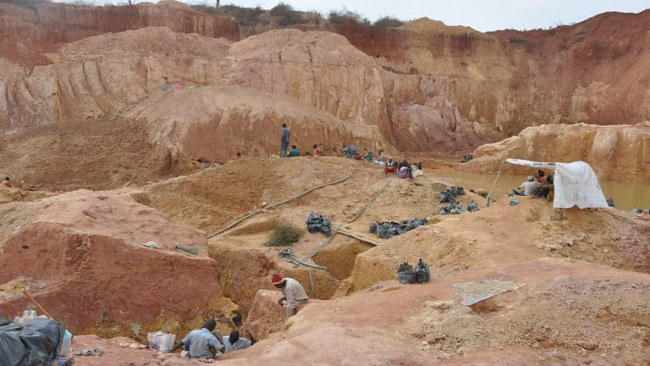
But while Yang visited the capital, about 60 Cameroonian miners protested outside a Chinese-run gold mining operation in the village of Ngoura. The miners there have blocked access to the site since Thursday.
Protesting miner Patrice Wouyou said their Chinese competition exploits and destroys Cameroon’s natural resources.
He said Chinese miners violate Cameroon laws, which prohibit mining on river beds, swampy areas and waterfalls. They will keep this mining site closed, he said, until the government forces the guilty (Chinese) miners to face justice.
Protest leader Rigobert Ngom said the Chinese bribe corrupt Cameroon officials to overlook their code violations. He said they also lure teenagers out of school to dig for gold.
Ngom said he is surprised that the government gives mining licenses to the Chinese when there are qualified Cameroonians who own mining enterprises and are ready to industrialize their country.
But while mining remains a contentious issue, Cameroon’s Ministry of Economy, Planning, and Regional Development disputes the notion that China simply exploits.
China is Cameroon’s primary investor, according to the ministry, putting more than $400 million per year into the country’s roads, dams, telecommunications, stadiums and housing projects.
Critics note much of the investment goes toward accessing Cameroon’s natural resources, while the country is at growing risk of debt distress.
But ministry spokesman Alamine Ousman Mey said China is beginning to offer more help than in the past.
Beijing in November, he noted, gave Yaounde aid equal to $3 million dollars to help people displaced by Cameroon’s separatist crisis in English-speaking regions.
“We are very pleased that our partners like China are offering humanitarian support up to 1.8 billion CFA and material. We have signed a letter of exchange to supply to these two [Anglophone] regions.”
China’s special envoy Yang during his visit announced the cancellation of about $5 million of Cameroon’s debt as well, though the remaining amount owed was not clear.
VOA

















22, January 2019
WHO Says Migrants Do Not Bring Diseases Into Europe 0
A new report by the World Health Organization disputes a belief that refugees and migrants bring exotic communicable diseases into the European region.
The report is based on evidence from more than 13,000 documents. It provides a snapshot of the health of refugees and migrants who comprise about 10 percent of the nearly 1 billion population in 53 European countries.
The survey finds migrants and refugees are generally in good health, but, due to poor living conditions, they risk falling ill while in transit or while staying in receiving countries. The report says contrary to common perception, the risk of refugees and migrants transmitting communicable diseases to their host population is very low.
The WHO regional director for Europe, Zsuzsanna Jakab, tells VOA displacement itself makes refugees and migrants more vulnerable to infectious diseases.
“The refugees and migrants who come to Europe, they do not bring any exotic diseases with them, any exotic communicable diseases,” said Jakab. “The diseases that they might have, they are all well-established diseases in Europe. And also, we have very good prevention and control programs for these diseases. This applies both for tuberculosis, but also HIV-AIDS.”
Europe is the only one among WHO’s six regions where HIV is prevalent and increasing, especially in the east. Jakab says a significant proportion of migrants and refugees who are HIV-positive acquire the infection after they arrive in Europe.
The report finds refugees and migrants seem to have fewer noncommunicable diseases on arrival than their host populations; but, it notes the longer they stay in the countries in conditions of poverty, their risk of cardiovascular diseases, stroke and cancer increases.
The report says refugees and migrants are more affected by depression and anxiety than host populations. It says unaccompanied minors are vulnerable to sexual exploitation and suffer from higher rates of depression and symptoms of post-traumatic stress disorder.
WHO considers it critically important that European countries provide quality and affordable health care for all refugees and migrants, regardless of their legal status. Providing universal health coverage, it says, would significantly improve the well-being of both the displaced and host populations.
VOA