22, July 2018
Germany may accept foreigners into army in exchange for citizenship 0
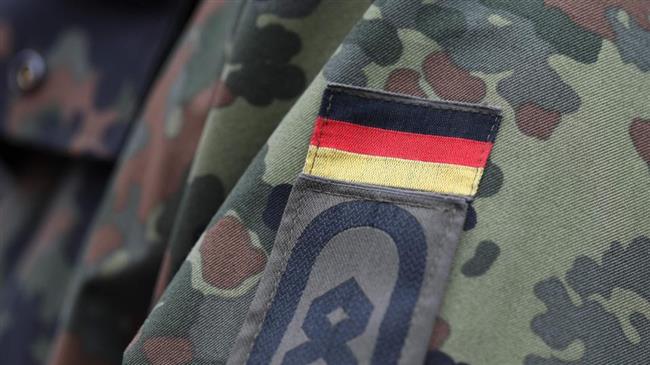
The German army is reportedly mulling accepting foreigners into its ranks by offering them German citizenship.
According to report published by RT on Saturday, the measure is aimed at coping with shortage of recruits in the country by filling understaffed military positions.
The logic behind the move will be that a person who is willing the endanger his or her life for Germany earns the right to be a citizen.
“The Bundeswehr will grow, therefore we need qualified personnel. To this end, we try every available option,” a military spokesman was quoted by RT as saying.
The Bavarian Christian Social Union party (CSU), the sister party of Chancellor Angela Merkel’s CDU, has proposed the move.
“Within the scope of European free movement, modern models could apply here,” said the party’s defense policy speaker.
Critics of the move claim that it will undermine the basic concept of a citizen’s loyalty to his nation.
Karl-Heinz Brunner, a defense policy speaker with Germany’s Social Democrats argues that if foreigners were permitted into Bundeswehr ranks, even with a prospect of becoming German citizens, it would be turned into “a kind of mercenary army.”
He further argued a person must become a German citizen before he or she enlists in the German army.
“Anyone who obtains the German passport as part of the integration procedure is cordially invited [to enlist],” he said.
The defense ministry was also quoted in the report that the “[the idea of] allowing EU citizens to serve in the Bundeswehr is not new.” Europeans with “specific sought-after qualifications” can be enlisted for civilian service.
Source: Presstv

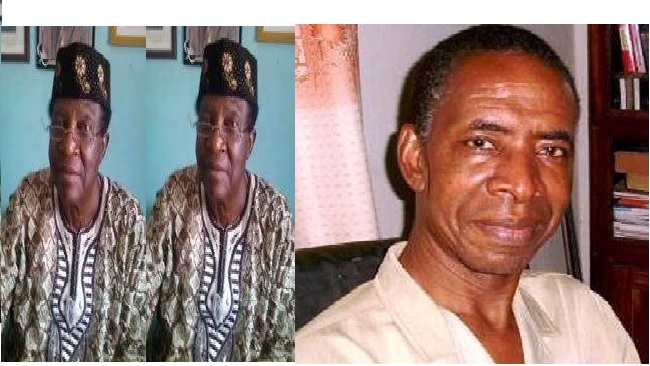
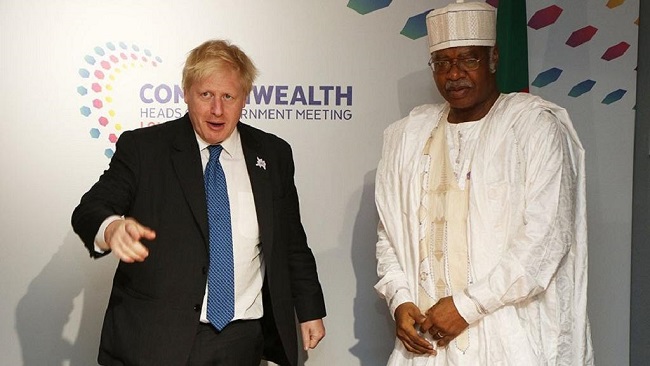
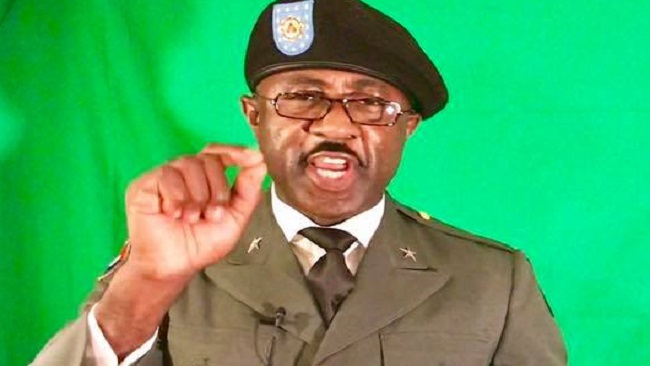
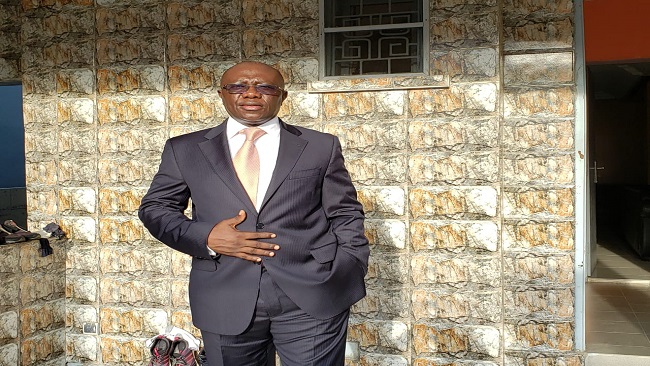
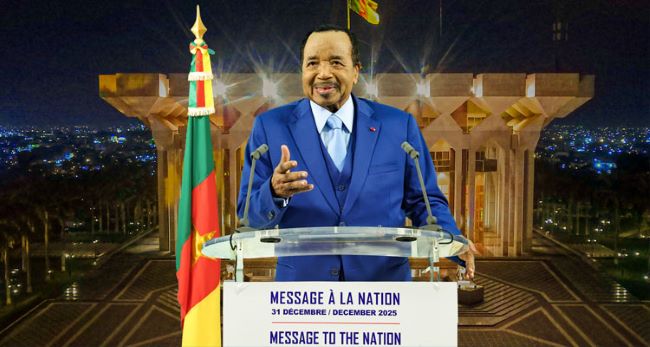
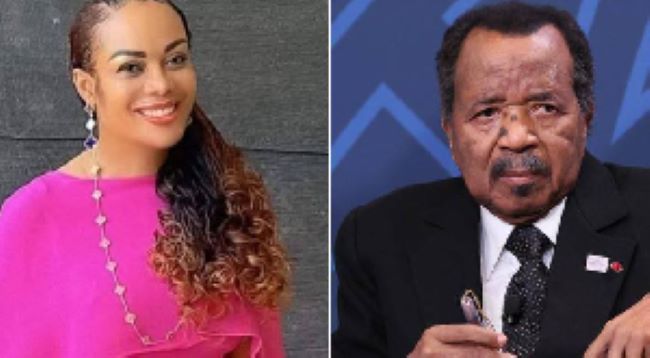
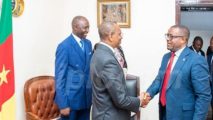
 Father Sob and Father Constant
 Father Sob and Father Constant(Douala airport)










22, July 2018
Cameroon military ‘torches villages’ as separatist conflict escalates 0
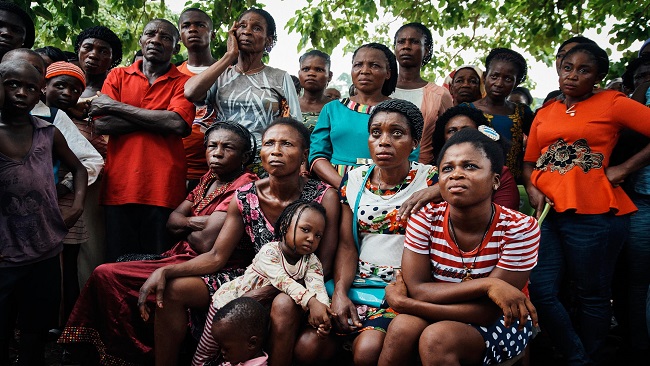
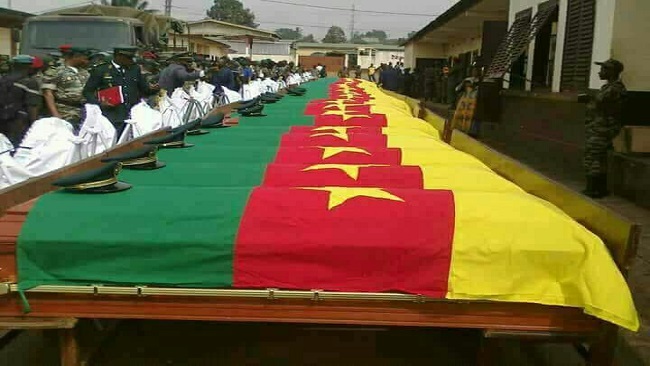
The military of Cameroon has committed a series of massacres across the country’s minority English-speaking regions, as part of a wider escalating conflict between separatists and the central government, according to reports.
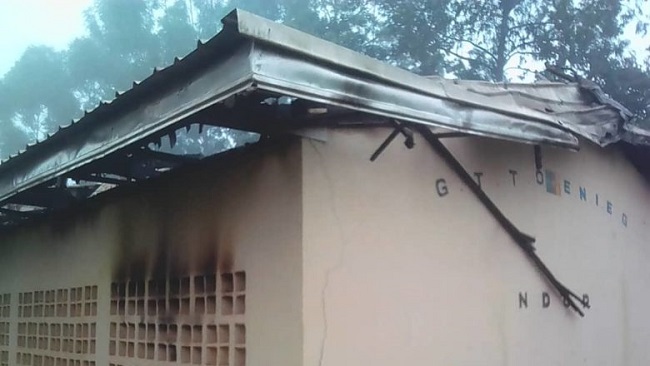
Human Rights Watch (HRW) alleges that the military of the predominantly Francophone nation burned down at least 20 villages in the Southern Cameroons region of the country, where the majority language is English.
A number of unarmed civilians, including at least four elderly women, were reportedly burned alive during the massacre.
“The human rights situation in Cameroon has reached crisis level and could still get much worse,” said Mausi Segun, Africa director at HRW. “International action is needed to ensure that both sides protect civilians and ensure justice for crimes against them,” he added.
So exactly what is happening in Cameroon, and what does it mean for West Africa?
The ‘Anglophone Problem’
The conflict has its roots in the so-called Scramble for Africa in the late 1800s, when a number of competing European superpowers used force to claim as much territory on the continent as possible.
Originally a colony of the German Empire, the region was taken by British and French forces during the First World War. The new rulers split the region into Cameroun – the French-speaking part that makes up most of the region’s land mass – and two British protectorates, Southern Cameroons and Northern Cameroons.
Although the country officially gained independence from both empires in the early 1960s, tensions remain between French and English-speaking regions – historically referred to as the Anglophone Problem. According to Reuters, English speakers “feel that the best government jobs go to French speakers, and that education, roads and health in their western region are neglected”.
Around 20% of Cameroon’s 23 million population are Anglophones.
Why is there fighting now?
Tensions reached boiling point in 2016 following industrial strikes and protests against the imposition of the French language in courts and schools of traditionally Anglophone regions, says news site Quartz.
The protests were violently repressed by the French-speaking government, leaving dozens of protesters dead and more than 100 injured, according to the International Crisis Group, a conflict-prevention organisation.
The majority of English speakers in the country initially just “wanted their grievances addressed“, says Reuters, but the violent crackdown on protests “has convinced many that only severance from Cameroon will satisfy their yearning for a better life”.
As a result, a militant separatist movement has emerged that seeks to establish an English-speaking state entirely independent from Cameroon – known as Ambazonia – in the area known as Southern Cameroons.
Reuters reports that the breakaway region has already “printed passports, designed a currency and a flag, composed a national anthem and set up a satellite TV station”.
In response, the government has “used tear gas and live ammunition to disperse protesters, tortured and detained civilians, killing some, and burned villages”, says Sky News.
What is the solution?
Responding to HRW’s damning report, Cameroon’s government said the level of force it used remained “proportional to the extent of the threat”.
The report’s author, Jonathan Pedneault, has dismissed that claim, saying that the government needs to “recognise the fact that its soldiers have committed severe abuses. It needs to order a stop to the abuses and ensure accountability for crimes.”
Ambazonian separatists are also committing “grave abuses” in the country, allegedly “torching schools and threatening teachers and students”, according to Sky News.
Voice of America reports that “armed separatists” have “abducted at least seven traditional rulers they accuse of collaborating with the government”. Some of the leaders are accused of calling for the region to participation in Cameroon’s presidential election later this year, rather than adhering to Ambazonia’s vaguely defined boycott of the central government, the news site adds.
As the situation continues to deteriorate, the HWR is calling on international actors including the African Union and the United Nations to “press the government and armed separatists to accept a third-party mediation led by an independent and trustworthy international actor”.
Source: The Week.co.uk