6, April 2020
Cameroonian men whiten skin to look Like their Congolese musician idols 0
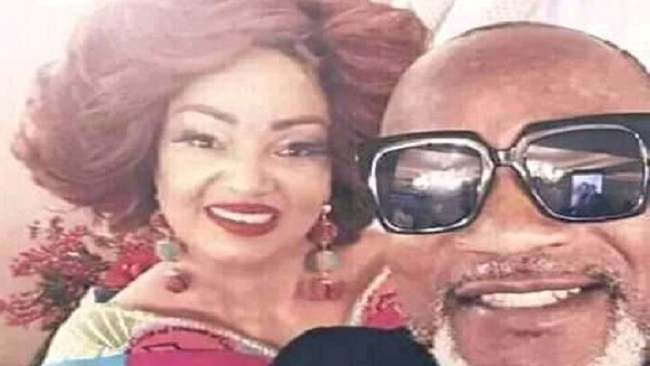
Skin whitening is no longer a strictly female affair. With so many cosmetic products, men are getting into it too, reducing their melanin levels in order, they say, to “look better”. However, some fear that skin whitening might not only lead to medical problems, but also a loss of identity.
“I always wanted to have lighter skin. I find it cleaner and more presentable. I buy cosmetic products once in two months. It’s not to imitate women, it’s my personal choice”, Séverin, a travel agency manager from Douala, who started lightening his skin several years ago, said.
It is no longer surprising to see a man with black arms or legs and with a lightened face on the streets of the country’s large cities. Some are following fashion, while others want to look like their favourite celebrities. This is the case of Kévine. At 28, this aspiring singer admits to having started whitening his skin to look like his idols.
“I’m a fan of some Congolese celebrities who have lightened skin. The skin of many of those who I admire has become lighter over time. And since I identify with some, of them, I try to be like them by using skin depigmenting products”, he said.
The phenomenon is gaining ground. Beauty stores have noted their new clientele. Karest, a perfume shop manager from Douala, admits having been surprised by men contacting her via social networks to place orders.
“The first time a man contacted me [to buy these products], he told me that he was buying them for his wife. But I ended up realising that those products were for him. He said that next time he bought them, admitting the change and effectiveness. Every week, I get at least five orders from men”, she said.
Online stores have dozens of male customers. Non-lightening cosmetics seller Lucy Ngah confirms this. According to her, most men use products that she sells to smooth out the effects of skin whitening products.
“Some of my male clients who lighten their skin often buy natural soap to reduce the negative effects on their skin, such as greenish veins that appear, acne and redness”, she said.
In Cameroon, women who engage in skin lightening are often criticised, but men are criticised even more. Celebrities suspected of skin lightening are mocked and criticised on social networks. So far, very few male celebrities have dared to take the plunge. Sputnik talked to psychosociologist Maurice Somo to discuss the causes of this social phenomenon.
“From the psychological point of view, skin lightening is a rejection of one’s self-image and a desire to change oneself in accordance with the ideal created in one’s mind. The main motivation of both men and women stems from being admired or lack of admiration”, the specialist explained.
According to the psychosociologist, this behaviour results from the “prestige” of white-skinned people, as well as other people with a light skin tones, in Africa. In addition, some start lightening their skin to imitate others, or to demonstrate their socioeconomic success.
“In sub-Saharan Africa, fair skin is considered very close to the white ideal. By the way, mestizos are very popular. Fair skin is also proof of the economic status, which makes it possible to make the skin tone you want. Ultimately, the main motivation is the inferiority complex regarding to the natural skin colour”.
The negative impact of skin lightening is not only limited to psychological disorders, of which it is indicative. This social phenomenon also indicates serious health problems. In a country where they are struggling with fake medicines, which can still be found on the market, many cosmetic products enter the market without having previously obtained the necessary authorisations.
Cameroon regularly holds awareness campaigns to draw attention to the long-term effects of skin lightening, but apparently they are ineffective. Until minds change, people will continue lightening their skin…
Source: Sputniknews














6, April 2020
Coronavirus in Africa: 51 countries, 9,393 cases, 445 deaths, 906 recoveries 0
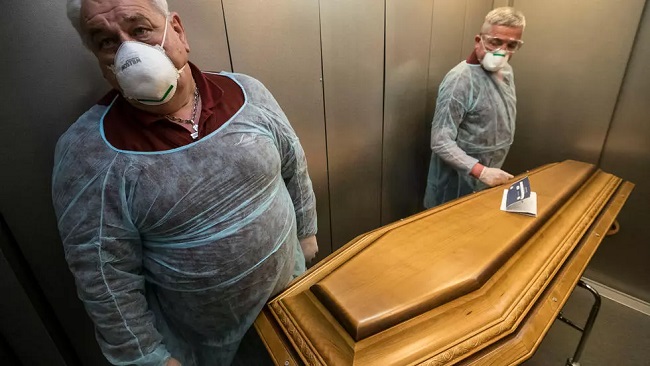
There are now more than over 9,300 confirmed cases of coronavirus across the continent, with a number of African countries imposing a range of prevention and containment measures against the spread of the pandemic.
According to the latest data by the John Hopkins University and Africa Center for Disease Control on COVID-19 in Africa, the breakdown remains fluid as countries confirm cases as and when. The whole of Africa has rising cases with only three countries holding out as of April 6.
We shall keep updating this list which will be put in sub-continental blocs: East, West, Central, southern and North Africa. All statistics are sourced from Africa CDC updates, from the John Hopkins University and from official government data.
The classifications are based on where the countries are located especially in the case of countries that belong to two different blocs, like Tanzania in East Africa, despite belonging to EAC and SADC.
Major stats as at April 3
Confirmed cases = 9,393
Number of deaths = 445
Recoveries = 906
Infected countries = 51
Virus-free countries = 3
Countries in alphabetical order
Algeria – 1,320
Angola – 14
Benin – 66
Botswana – 6
Burkina Faso – 345
Burundi – 3
Cameroon – 650
Cape Verde – 7
Central African Republic – 8
Chad – 9
Congo-Brazzaville – 45
DR Congo – 154
Djibouti – 59
Egypt – 1,173
Equatorial Guinea – 16
Eritrea – 29
Ethiopia – 44
Eswatini – 9
Gabon – 24
(The) Gambia – 4
Ghana – 214
Guinea – 121
Guinea-Bissau – 18
Ivory Coast – 261
Kenya – 142
Liberia – 13
Libya – 18
Madagascar – 72
Malawi – 4
Mali – 45
Mauritania – 6
Mauritius – 227
Morocco – 1,113
Mozambique – 10
Namibia – 16
Niger – 184
Nigeria- 232
Rwanda – 104
Senegal – 222
Seychelles – 10
Sierra Leone – 6
Somalia – 7
South Africa – 1,655
South Sudan – 1
Sudan – 12
Tanzania – 22
Togo – 44
Tunisia – 574
Uganda – 52
Zambia – 39
Zimbabwe – 9
Virus-free = Sao Tome and Principe, Comoros, Lesotho, South Sudan
Culled from Africa News