13, February 2020
More Southern Cameroons refugees flee to Nigeria, bringing total arrivals close to 60,000 mark, Buhari won’t talk!! 0
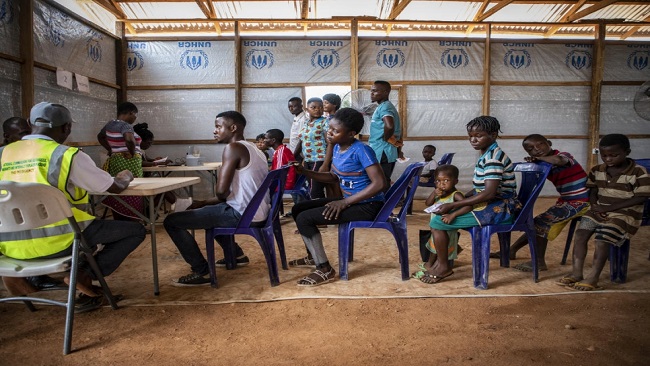
Almost 8,000 Cameroonian refugees have fled to Nigeria’s eastern and southern states of Taraba and Cross Rivers over the past fortnight, bringing the total Cameroonian refugee population in the country to nearly 60,000 people.
UNHCR, the UN refugee Agency, expects further arrivals as refugees inform that more people are still in remote border areas and could be on their way trying to reach Nigeria.
This latest influx took place just before Cameroon’s general elections last weekend as people fled ongoing violence between security forces and armed groups. The exodus comes on top of increased internal displacement witnessed in Cameroon’s Northwest and Southwest regions in the last quarter of 2019.
Refugees reported fleeing violence and some even arrived across the border with gunshot wounds. According to new arrivals, most come from areas near the border and have trekked across savannah and forests to reach Nigeria.
Local communities and governments are the first responders to this latest influx, providing food, shelter and household items that are desperately needed for those who have left everything behind.
Refugees who just arrived are currently being sheltered in public schools and health facilities or with local families. The 51,000 registered refugees that arrived prior to this latest influx are being hosted across some 87 local communities in the states of Akwa-Ibom, Benue, Cross River and Taraba. In addition, there are four settlements where UNHCR and humanitarian partners are providing protection, food, livelihood, shelter and healthcare.
“UNHCR is working closely with the Nigerian authorities to ensure that refugees are able to access shelter and basic services. Together we are supporting both refugees and their hosts given pressing humanitarian needs and to ensure there is no strain on local communities given their modest resources,” said UNHCR’s Deputy Representative in Nigeria, Roger Hollo.
“Refugees also need support to become self-reliant. With access to education, health services and labour markets, they can take care of their families and give back to the local communities hosting them.”
Food, shelter and health assistance remain urgent needs for new arrivals. Schools are also unable to accommodate all newly arrived refugee children, with some classrooms hosting more than 200 children at a time.
According to UN estimates, more than 679,000 people are currently internally displaced in Cameroon’s Northwest and Southwest regions, in addition to the almost 60,000 that have crossed the border, seeking asylum in Nigeria.
In Nigeria, UNHCR leads the international response to protect those forced to flee their homes because of conflict and persecution.
Source:UNHCR Ireland

















14, February 2020
Atrocity Alert: Twin poll in Cameroon lead to a surge in violence 0
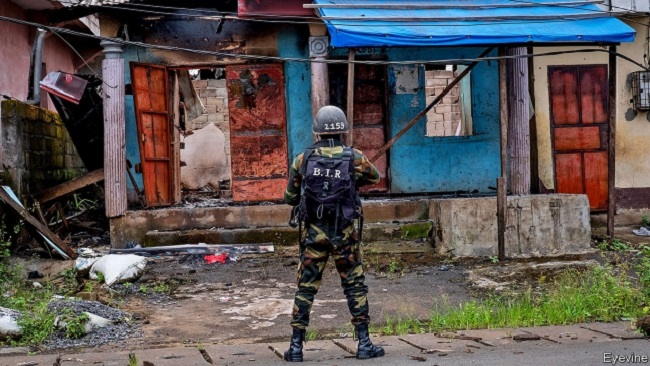
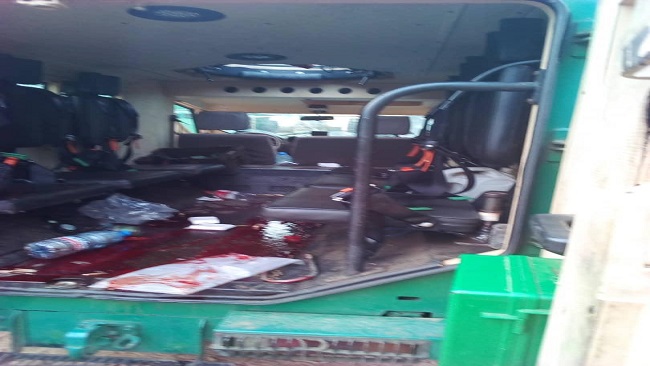
The conflict between government forces and armed separatists in Cameroon’s Anglophone north-west and south-west regions has intensified since December. Over the past weeks clashes between the two sides, as well as increased attacks on villages, has led to dozens of killings, abductions and increased civilian displacement. The UN Office for the Coordination of Humanitarian Affairs estimates that as of 31 January at least 679,393 people have been internally displaced in the north-west and south-west regions, while 51,000 have fled to neighboring Nigeria.
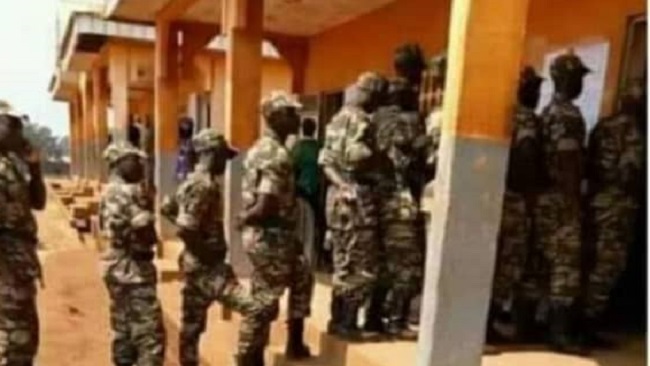
The latest violence took place in the run-up to parliamentary and municipal elections that were held on Sunday, 9 February. To ensure the elections went ahead in the disputed Anglophone regions, the government announced numerous security measures and significantly expanded its military presence. However, the security forces have been accused of burning several Anglophone villages and of indiscriminately shooting civilians. According to Fabien Offner, Lake Chad Researcher at Amnesty International, “in recent weeks, brutal military operations have been conducted while crimes committed by armed separatists continue unabated. Civilians are finding themselves trapped in a spiral of violence.”
Since December armed separatists have also attempted to sabotage the election process, including by abducting candidates. The separatist Ambazonia Interim Government declared Sunday’s elections illegal and announced a six-day lockdown between 7 and 12 February. Separatists reportedly issued threats against any civilians who did not observe the lockdown or attempted to vote.
Following a national political dialogue last October, President Paul Biya granted “special status” to the two Anglophone regions. However, separatist groups refused to participate in the government-led dialogue and power is still concentrated in the Francophone administration in Yaoundé. Sunday’s municipal elections were the first to be held in seven years and were supposed to be a step towards greater regional autonomy.
In order to resolve the ongoing armed conflict in Cameroon, the international community – particularly the African Union and the Economic Community of Central African States – should ensure that President Biya organizes genuine peace negotiations that include representatives of all Anglophone groups. Meanwhile, government forces and armed separatists must immediately end all extrajudicial killings of unarmed civilians and ensure that the human rights of all Cameroonians are equally protected, regardless of language, cultural identity or political affiliation.
Source: Reliefweb