26, February 2026
UN condemns death of opposition figure Anicet Ekane in custody 0
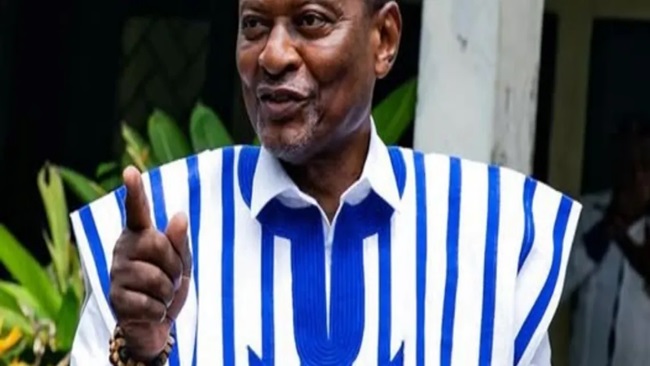
The United Nations said Friday it was “appalled” by the death in custody of Cameroonian opposition figure Anicet Ekane, who had been arrested in late October.
The left-wing nationalist politician, who died on Monday, was arrested in Douala on October 24, on the eve of the publication of presidential election results that returned 92-year-old Paul Biya to power for an eighth mandate.
The exact circumstances of Ekane’s death in detention in Yaounde remain unclear. He was 74 and led the African Movement for the New Independence of Cameroon (Manidem) party for several years.
“We’re appalled by the death in detention of opposition leader Anicet Ekane and concerned for the wellbeing of protesters detained following the presidential election,” the UN human rights office said on X.
“The authorities must ensure the investigation they have announced is thorough and impartial and results in full accountability.
“All protesters arbitrarily arrested must be immediately and unconditionally released,” it added.
Ekane was close to fellow opposition figure Issa Tchiroma Bakary, who contested Biya’s 43-year grip on power in the October 12 election.
Along with other political leaders, Ekane was arrested for publicly supporting Bakary’s self-proclaimed presidential victory ahead of the publication of official results.
Ekane, whose death triggered a groundswell of reactions on social media, ran as Manidem’s presidential candidate in 2004 and 2011.
Source: Mwanzotv









27, February 2026
Ambazonia crisis reaches unenviable decade milestone 0
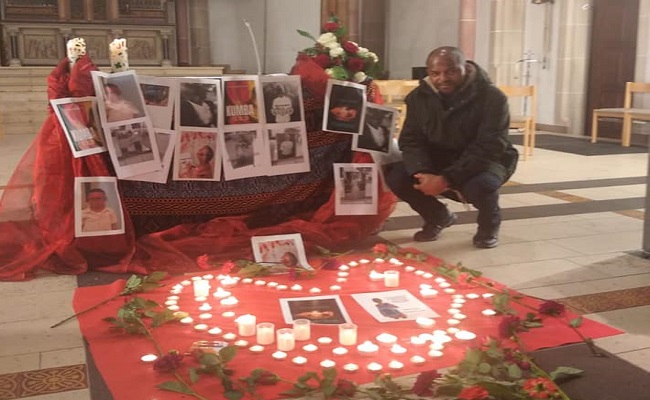
Ten years after it began, the Anglophone crisis in Cameroon is worsening and continues to be one of the most under-reported conflicts in the world.
The conflict, which has been ravaging the North-West and South-West regions, started in late 2016 and has grown into the worst crisis in the Central African country post-independence.
Pitting militants agitating for the autonomy of the English-speaking regions citing marginalisation by the French-speaking-dominated government, it has exposed civilians to human rights abuses.
The United Nations Office for the Coordination of Humanitarian Affairs (UNOCHA) reports how the security situation remains tense, marked by frequent and intense violent clashes between non-state armed groups (NSAGs) and state security forces (SSF), leaving the security and humanitarian situation very fragile and volatile.
The UNOCHA notes that drawing towards the end of the year, multiplicity of illegal checkpoints led to a high rate of extortion from the civilian population by NSAGs in the name of “Liberation tax” across most of the divisions in the two volatile regions.
“Also, there has been an increase in arbitrary arrest, kidnapping for ransom, including some current and former officials,” said a spokesperson.
In December, according to the UN agency’s statistics, at least 14 incidents involving improvised explosive devices (IEDs) were reported in the North-West and South-West.
More than 2 000 people were reportedly displaced from 400 homes.
Humanitarian agencies decry how the displacements expose the affected communities to major protection risks among others, as they move to and from their homes seeking safety and protection, placing additional burdens on communities that are already very fragile.
Access during December was constrained due to insecurity and multiple informal check points with strict verification of “liberation tax” receipts, as well as imposition of large sums on road users including pedestrians.
“These restricted movements narrowed the humanitarian space and negatively affected response activities,” UNOCHA stated.
The crisis began as peaceful strikes and protests by English-speaking lawyers and teachers against the alleged “Francophonisation” of the legal and educational systems in Anglophone regions.
This situation escalated into an armed conflict between the military and separatist groups following a violent government crackdown in late 2016 and early 2017.
Separatists declared the symbolic independence of “Ambazonia.”
Independent since 1961 and previously a German colony, Cameroon was colonised by both Britain and France following the defeat of Germany in World War I.
Eight of Cameroon’s ten regions are predominantly Francophone.
Around 80 percent of the country of 30 million people is French-speaking.
Source: CAJ News