19, February 2018
Ambazonia Crisis: Chief Mukete knocks Biya, Says Head of State is inaccessible 0
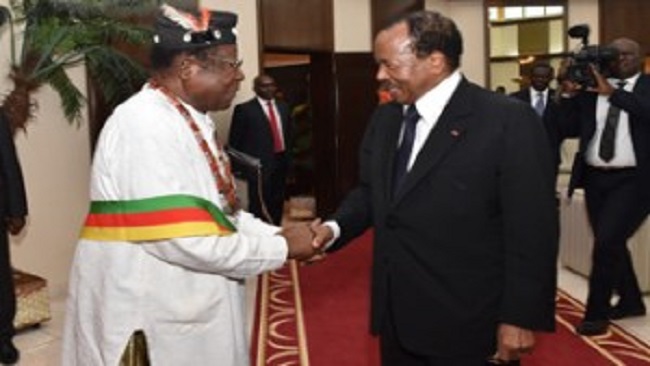
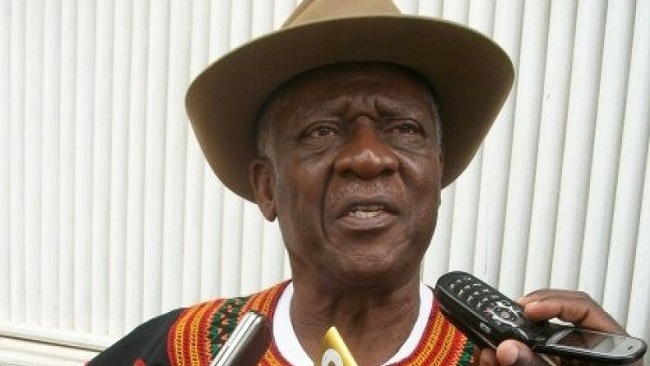
The supreme leader of the Bafaws in the Meme constituency in Southern Cameroons has openly criticized President Biya over his poor handling of the crisis in Southern Cameroons. NFon Victor Mukete, the oldest member of the so-called Upper House of assembly and a long standing father of the reunification of French and British Southern Cameroons said in an interview in the French capital, Paris that the Biya regime has failed woefully in its management of the Anglophone crisis.
Chief Mukete who will be a 100 years old this 2018, told the French media that Biya is “inaccessible”. He acknowledged that Southern Cameroonians were being marginalized and observed that Anglophones have barely 10 ministers out of 60 in the government. The patriarch of Southern Cameroons reunification politics further pointed out that the creation of the commission for the promotion of bilingualism and multiculturalism was too little too late.
The paramount leader dismissed the politics of a one and indivisible Cameroon stating that only a ten state federal structure can solve the current Anglophone crisis that has shaken the country for more than a year. Chief Mukete’s influence goes beyond the Southern Cameroons minority as he is a member of the Senate, the Economic and Social Council, the Chamber of Commerce and Chairman of the Board of Camtel.
By Sama Ernest


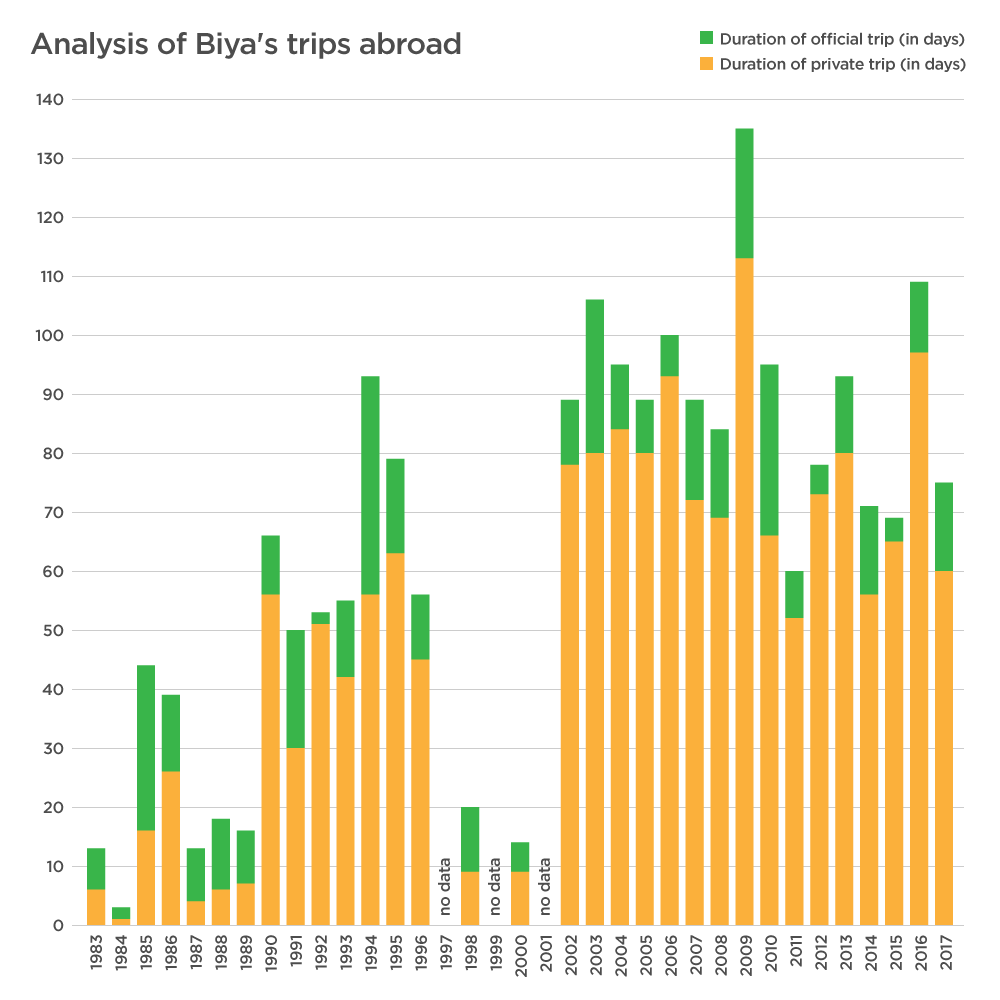
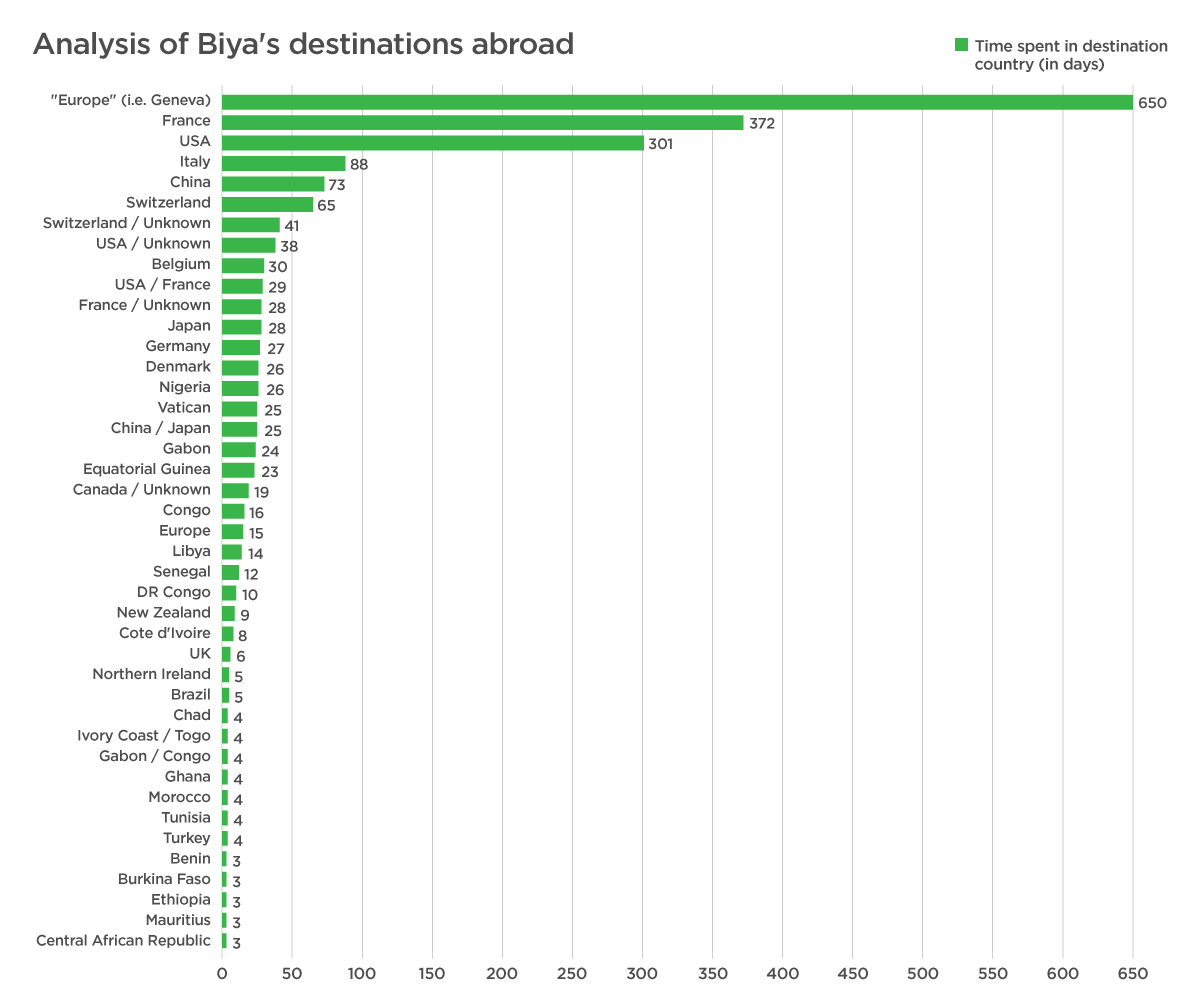
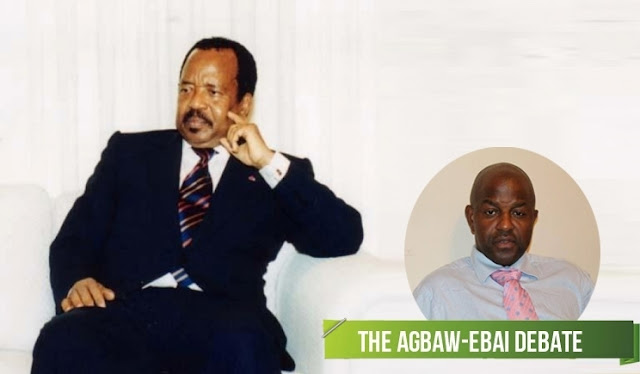
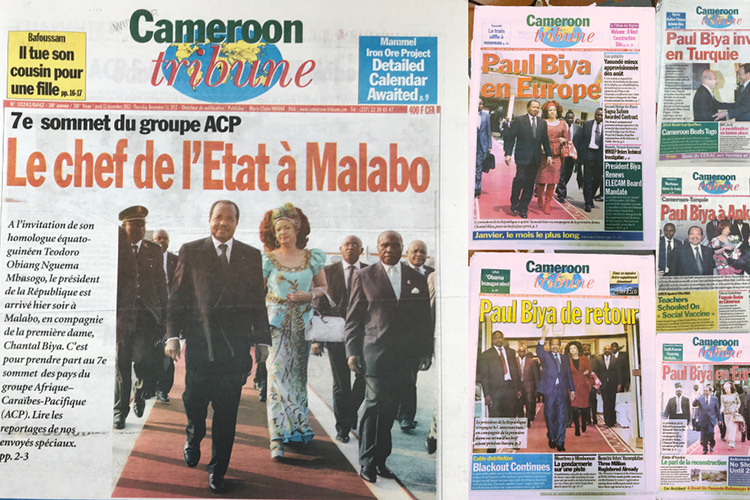 Pages from the Cameroon Tribune relating to Paul Biya’s travels. OCCRP journalists used the state newspaper as a primary source to chart the president’s numerous foreign trips since taking office. (Image: OCCRP / Authors.) Some rights reserved.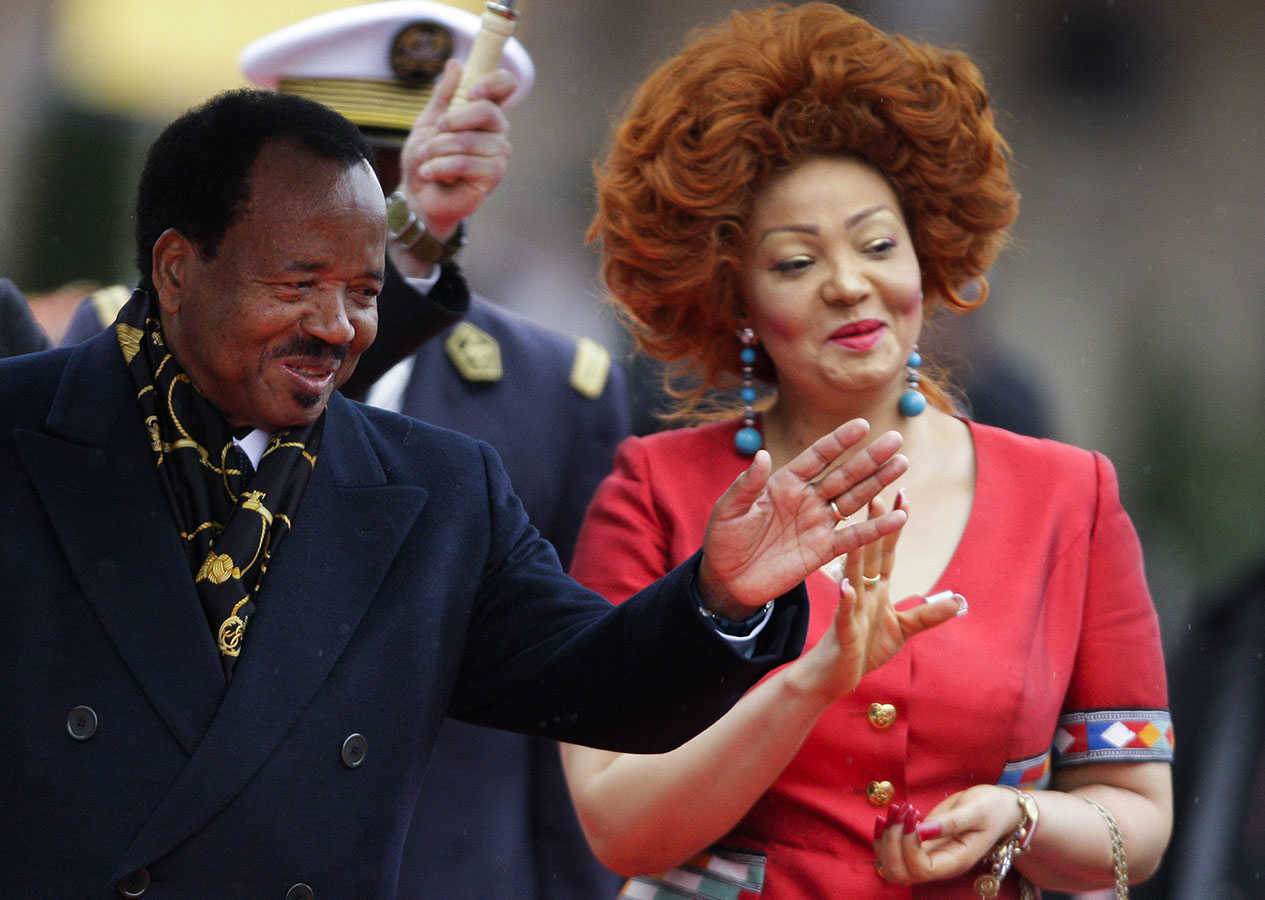















20, February 2018
Understanding the Southern Cameroons Struggle 0
Separatists in Cameroon’s restive English-speaking regions have faced a violent crackdown since declaring the creation of “Ambazonia”, a self-proclaimed republic independent from the majority French-speaking country.
The violence has helped fuel support for a growing separatist movement, including armed groups, who in turn have carried out a string of attacks on police and the military. Dozens on both sides have died, and tens of thousands have fled into neighbouring Nigeria.
ENGLISH
The political drive for the separatist cause began in 2016 after police broke up demonstrations by English-speaking lawyers and teachers who protested against working in French.
The Cameroon Anglophone Civil Society Consortium (CACSC), locally known as “the Consortium”, was formed to campaign against what they viewed as discrimination and marginalisation by the francophone majority.
Although it campaigned for federal ties — not secessionism — the campaign met with unyielding opposition from octogenarian President Paul Biya.
The Consortium was dissolved in January 2017, two of its leaders were arrested, and within the anglophone protest movement, the pendulum began to swing in favour of independence.
On October 1, prominent leader Sisiku Ayuk Tabe declared the self-proclaimed republic of “Ambazonia”, named after Ambas Bay on the Atlantic Ocean. The state has not been recognised internationally.
Biya countered with a crackdown and enlisted the help of neighbouring Nigeria in denying a haven to the “terrorists”.
ASYLUM
In January, Ayuk Tabe and 46 of his supporters were extradited by Nigeria to Cameroon despite claims that many of them had lodged asylum applications.
In this climate of spiralling mistrust and revenge, calls for separatism, rather than federalism, are dominant.
The loudest calls have come from the Southern Cameroons Ambazonia Consortium United Front (SCACUF), headed by Ayuk Tabe, which advocates peaceful means to advance independence.
Many of its members are activists with a background in teaching, law or farming, but it also counts former leaders of the outlawed Southern Cameroon National Council (SCNC), which began the campaign for independence back in 1995.
“Negotiations are our best weapon,” said Millan Atam, a SCACUF leader.
But since the crackdown and the roundup of Ayuk Tabe, the peaceful stance is being outflanked by radicals, some of whom advocate taking up arms against “the colonialist occupying forces”.
KIDNAPPING
The International Crisis Group (ICG) estimates that there are likely to be several hundred fighters.
On February 11, these groups and some other separatist movements gathered in an umbrella organisation called the Ambazonia Recognition Collaboration Council (ARCC).
Its most prominent member is a firebrand former student trade unionist, Lucas Cho Ayaba, who heads an armed group that calls itself the Ambazonia Defence Forces (ADF).
The ADF claimed responsibility for kidnapping a government official on Sunday in Batibo, a town near the Nigerian border.
It says it has “thousands of fighters,” although commentators say the figure more likely to be around a hundred or so.
“We have a bloc defence strategy — every village, every group of young people can fight for Ambazonia, and we are ready to help them,” he told AFP.
FORCE
Another armed group is Southern Cameroons Defence Forces (SOCADEF), led by Ebenezer Akwanga, like Cho Ayaba an ex-student trade unionist.
In the late 1990s, the two were allies in challenging the moderate strand of separatism, taking their slogan about “the force of argument” and reversing it, to “the argument of force.”
The ADF and SOCADEF have claimed responsibility for most of the attacks in the anglophone areas. Other smaller, armed factions are also engaged in the conflict, such as the Tigers of Ambazonia, Vipers and the Ambaland Forces, but their impact is unclear.
Attempts have been made to unite the various independence groups, with at least four “conclaves” in Nigeria. The groups have so far failed to unite behind a single leader or structure.
“Today, we are divided, it can not work like this,” a leader said via the WhatsApp messenger service.
Source: AFP