1, October 2018
Yaounde insists it will be ready to host Africa Cup of Nations 0
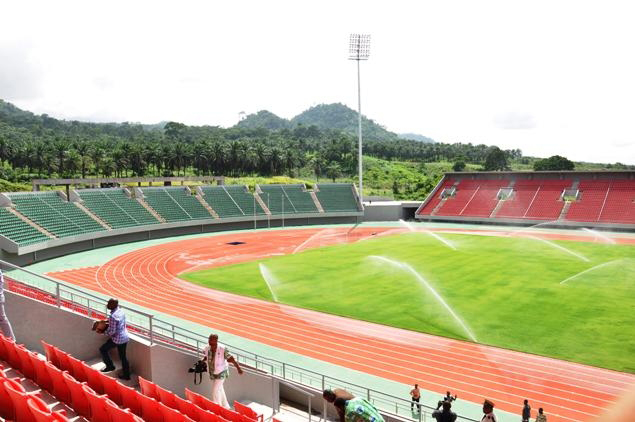
A top Cameroon football official told AFP on Sunday his nation “will be ready” to host next year’s Africa Cup of Nations (AFCON), even though the final decision has been delayed.
Cameroon’s hosting of African football’s showpiece event has been in jeopardy for months since the decision to increase the tournament from 16 to 24 teams.
The Confederation of African Football (CAF) had been expected to confirm Cameroon as host on Friday at their meeting in Sharm el Sheikh, but instead postponed a vote until the end of November.
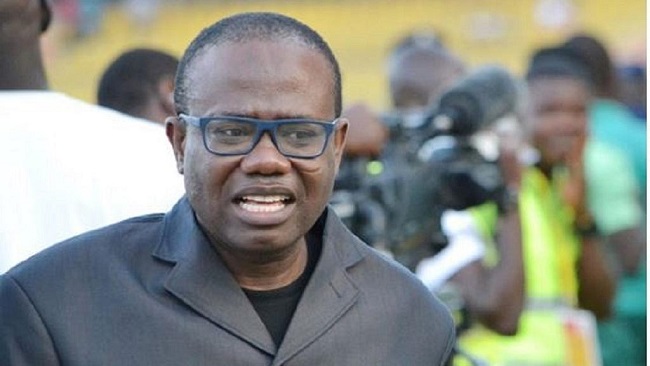
It said there had been a “big delay in the building of infrastructure” in Cameroon. But Dieudonne Happi, the interim head of the west African country’s crisis-hit football federation, said: “In the current state of things, I can tell you bluntly and without any risk of being wrong that Cameroon will be ready.
“The delay will be made up,” said Happi, the chairman of the Cameroonian federation’s normalisation committee, adding that the country will be ready “no later than December 31”, the deadline set by CAF in March.
An inspection committee from CAF and world football’s governing body FIFA will visit Cameroon in October to assess preparations.
The Cameroonian league is currently suspended because of funding issues and the federation is without a president.
Morocco, which unsuccessfully bid to host the 2026 World Cup, has lobbied to replace Cameroon as hosts.
“We are obviously ready to organise a major African event,” said Hamza El Hajoui, the president of the Moroccan football federation, adding that his country was “respectful” of both the CAF process and “the candidacy of a friendly country that is Cameroon.”
Ahmad Ahmad, the CAF president, denied that his organisation had already decided to take the tournament away from Cameroon.
“CAF has not yet taken any decision to the contrary… that the Cup of Nations will be origanized in Cameroon,” he told a press conference.
The tournament will take place on June 15-July 13. The tournament used to be in January, forcing European clubs to release their players in the middle of the season.
AFP
















3, October 2018
AFCON 2019: CAF chief meets Biya during surprise visit to Cameroon!! Who is doing what 0
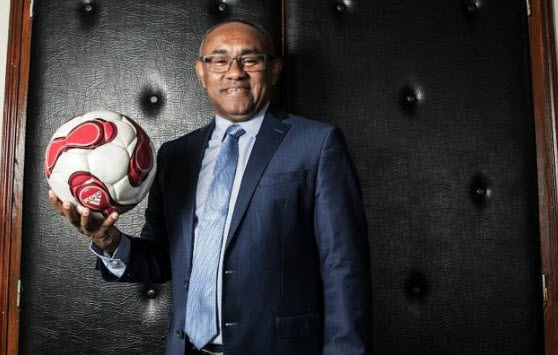
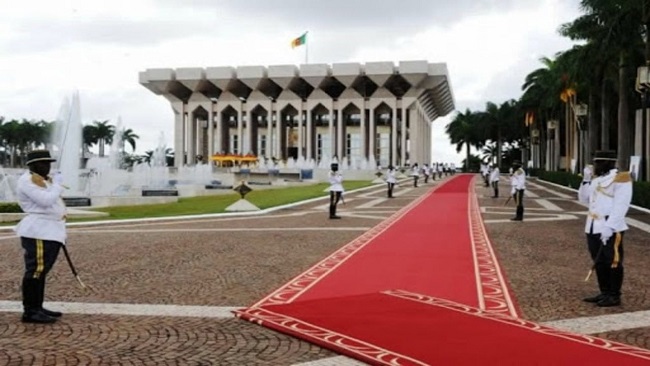
Confederation of African Football chief Ahmad Ahmad made a surprise visit on Tuesday to Cameroon, the troubled host of the 2019 Africa Cup of Nations. Ahmad Ahmad reportedly told the world that his meeting with President Biya was organized by Cameroonian football legend, Samuel Eto’o.
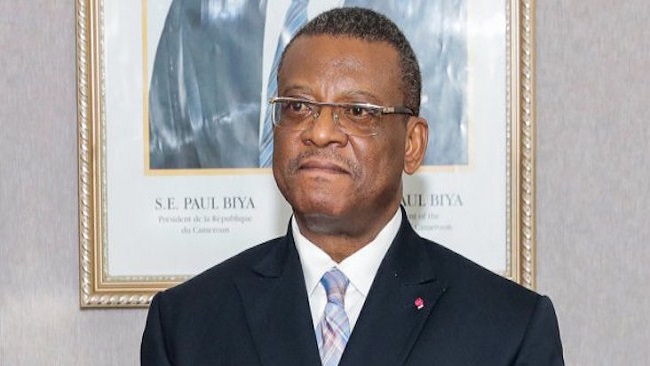
The Madagascan met the 85 year-old Paul Biya, whose government is working to convince CAF it will be ready to host the continental festival of football despite doubts over the readiness and capacity of its stadiums.
Ahmad’s visit is expected to delay a planned election campaign visit by Biya to the town of Buea, which has been on the frontline of separatist violence by English-speaking fighters.
Officials had earlier suggested that he could travel to Buea as soon as Tuesday, but a presidency source said the trip was “unconfirmed”.
There are daily clashes between separatists and the army in the anglophone northwest and southwest regions, and security has been a major campaign issue ahead of Sunday’s presidential polls. Members of the nascent insurgency have threatened to disrupt the elections.
Towns in the anglophone regions were subject to a curfew ahead of the first anniversary of the separatists’ symbolic declaration of independence on Monday. On Sunday eight candidates will face off against Biya, 85, who is seeking a seventh term in power.
Camcordnews with files from AFP