
15, June 2018
Hong Kong scientists say new research points to universal antibody drug for HIV 0
A team of AIDS researchers in Hong Kong says its new research, tested on mice, indicates a functional cure for HIV, the virus that causes AIDS, eventually leading to a new antibody that could be used for both prevention and treatment.
The findings, published in the Journal of Clinical Investigation, come as China faces a growing epidemic among high-risk groups, such as sex workers and men who have sex with men.
The UN-supported AIDS Data Hub says about 850,000 people in China are infected with HIV, which disables the immune system and makes people far more vulnerable to infections and disease.
A team led by Professor Chen Zhiwei at Hong Kong University’s AIDS Institute says its discovery, tested on mice, shows the new antibody can help control the virus and eliminate infected cells.
The antibody would be able to treat all varieties of HIV – a first, Chen said – as there is no one vaccine to treat the many different types of HIV viruses.
“For our newly discovered bispecific antibody, it works for all of them, so that’s the major difference,” Chen told Reuters.
Chen and his team say they aim to bring the antibody into clinical trials within a timeframe of three to five years.
Chen said a “functional cure” meant the virus level would be so low as to be undetectable in the body, as long as patients kept taking injections of the antibody, perhaps on a quarterly basis, or less frequently.
Those infected with HIV can keep the virus under control with antiretroviral drugs that stop it from infecting new cells.
However, treatments must be taken daily and do not eliminate the infected cells from the body. So the virus can still exist, and symptoms return, if patients stop taking medication properly.
The new antibody would have a significantly longer half-life than current treatments, and could, for example, be administered on a quarterly basis, Chen said, making it easier than the daily treatment most HIV-infected patients face.
Promising results did not mean the treatment would be readily available soon, said Andrew Chidgey, chief executive of the charity group AIDS Concern in Hong Kong.
“Governments are being very slow to implement programmes here,” he added. “So just because a treatment becomes available, doesn’t mean that people will get it, or that it will have an impact.”
(Source: Reuters)















15, June 2018
Yaounde: Issa Tchiroma says Amnesty International report is “crude and slanderous”. 0
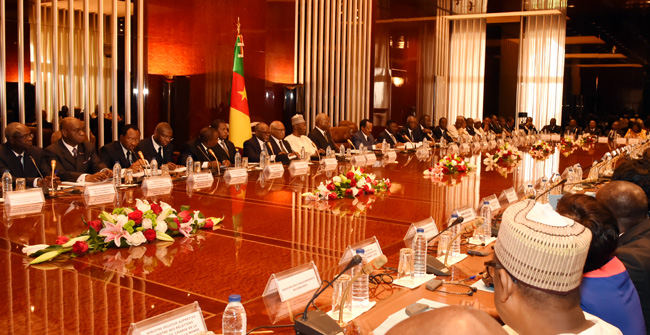
Cameroon has accused Amnesty International of disseminating “crude lies” after it said security forces had committed summary killings, arrests and property destruction to try to crush a separatist insurgency.
The report “is stuffed with crude lies, hasty deductions (and) slanderous, unacceptable manoeuvering, which are part of a strategy of harassment and destabilisation of our country in its fight against the terrorist threat,” Communications Minister Issa Tchiroma Bakary said.
The government “rejects this supposed report with the greatest firmness,” he said in a statement received on Friday.
In a 37-page report, Amnesty said it had catalogued “unlawful killings, destruction of private property, arbitrary arrests and torture” by the security forces in two restive regions of the West African country.
The unrest is unfolding in the Northwest and Southwest Regions, home to most of Cameroon’s English-speaking minority, which account for about a fifth of a population of 22 million.
Years of resentment at perceived discrimination at the hands of the country’s French-speaking majority culminated in protests in October and November 2016, which escalated in the face of a government refusal to make concessions.
In late 2017, violence surged after radicals declared an independent state — an entity named Ambazonia that has not been recognised internationally — and launched an armed campaign, which met with a crackdown.
Amnesty said it had conducted interviews with more than 150 victims of, or eyewitnesses to, violence committed either by the security forces or by separatists.
While accusing government forces of abuses, it also said separatists had killed “at least” 44 members of the security forces, and also targeted ordinary people, including traditional chiefs, whom they suspected to be informants.
Source: Timeslive