12, August 2026
Yaoundé wants to make August 14 a national day of remembrance for veterans 0
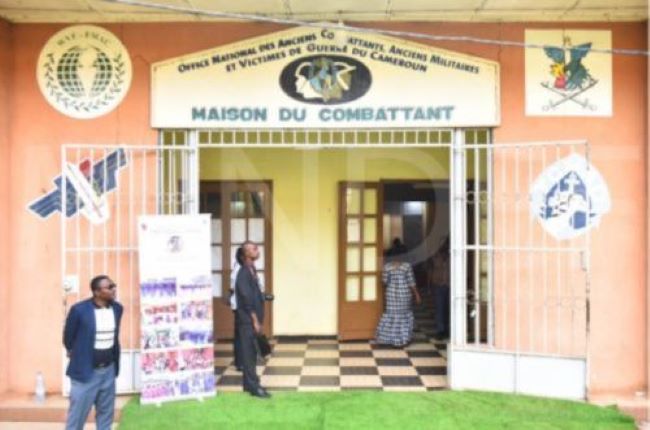
Cameroon’s National Office for Veterans, Former Military Personnel and War Victims (ONACAM) wants August 14 to become an annual national event dedicated to those who served under the country’s flag.
Through its “Walk for Honor” campaign, the agency seeks to extend recognition of veterans beyond official ceremonies and involve the media and the wider public.
The initiative focuses on the individual stories behind military service: soldiers killed in operations, veterans who returned with injuries or lasting effects, and families affected by conflicts. ONACAM wants their sacrifices to become a lasting part of the country’s collective memory and to be passed on to younger generations.
That goal explains the central role assigned to the media. “We are not asking for simple advertising space, but for a contribution to an effort of collective remembrance,” the agency said in an appeal to news organizations.
A Coordinated Media Campaign
The campaign will culminate on August 14 at 8 p.m., when ONACAM wants television stations to simultaneously broadcast a 23-second tribute to veterans and war victims.
Ahead of the event, broadcasters were asked to air a 28-second teaser on August 8 and 9, featuring a black screen, the national anthem and the message “Cameroon Remembers.” Radio stations are also being asked to broadcast a 30-second spot, particularly during peak listening hours.
The coordinated broadcasts aim to create a shared moment of remembrance that reaches a much wider audience than traditional commemorative ceremonies. ONACAM wants veterans’ stories to reach households across the country and gain greater national visibility.
Beyond Administrative Support
The campaign comes as Cameroon already has an institutional framework to support veterans and war victims. The Secretariat of State for Defense in charge of veterans and war victims handles matters that include pensions, professional reintegration and social assistance.
ONACAM now wants to complement that administrative support with a stronger culture of remembrance. The issue extends beyond benefits for former service members to their place in the country’s national story.
By gradually establishing August 14 as a day of collective remembrance, the agency seeks to give public and intergenerational recognition to the sacrifices made by veterans.
The success of “Walk for Honor,” however, will depend on whether the initiative extends beyond a one-time campaign. For August 14 to become an enduring national remembrance event, it will require sustained participation from institutions, media organizations, schools and families, with veterans themselves given a visible role in telling their stories.
Source: Sbbc





















13, August 2026
Southern Cameroons Crisis: 13 bus passengers abducted on the Batibo-Mamfe road 0
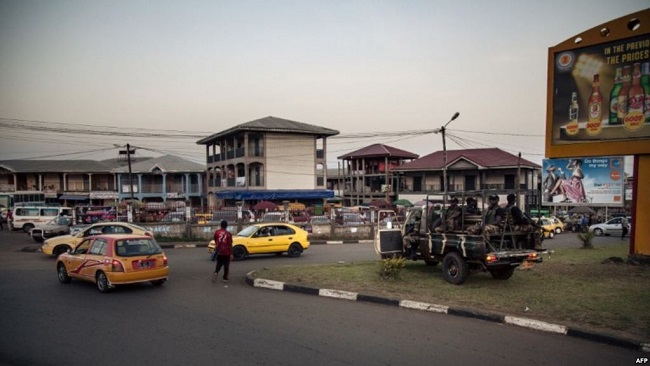
At least 13 people were abducted Tuesday on the Batibo-Mamfe road in Southern Cameroons, local residents and security sources said Wednesday.
Armed men stopped a passenger bus and ordered everyone on board to get out. Witnesses said the attackers took money and personal belongings before forcing 13 people into the bush.
“It was terrifying. They stopped our bus at gunpoint and made everyone get down. They took everything we had and took 13 people away with them. Some of us were lucky they didn’t take us too,” one passenger, who asked not to be named, said.
The same source said the kidnappers are demanding a ransom for the release of the hostages.
Kidnappings for ransom are frequent in the English-speaking Cameroon, where separatist fighters have been clashing with government forces in a campaign for independence. Police said travelers are regularly targeted by suspected separatist gunmen.
Source: Xinhuanet