10, December 2021
Thousands of French Cameroonians seek safety in Chad after clashes 0
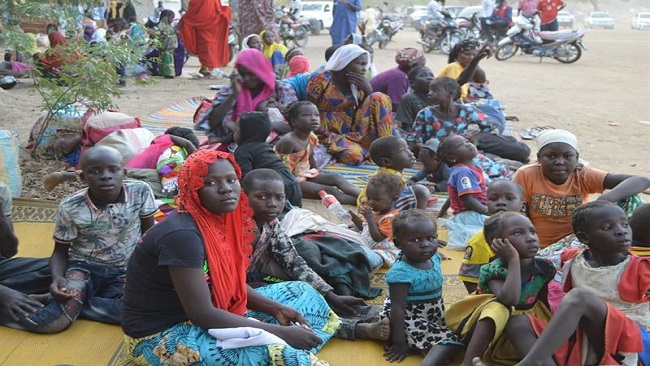
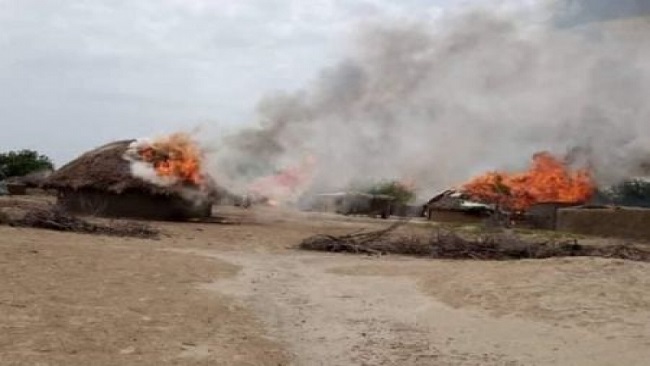
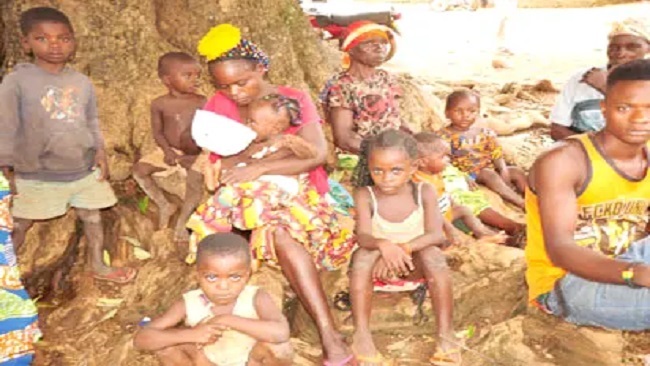
Several thousand people have fled deadly inter-ethnic clashes in northern Cameroon, seeking safety across the border in Chad, the Red Cross said Thursday.
Cameroonian authorities say conflict between fishermen of the Musgum community and ethnic Arab Choa herders around the town of Kousseri has claimed at least four lives.
Thousands of people fleeing the violence have sought refuge by crossing the Chari river into Chad, near the capital N’Djamena.
“There are at least 3,000 refugees, and the number is likely to grow,” Khala Ahmat Senoussi, president of the Red Cross in Chad, told AFP.
A Chadian police source said that “refugees are still arriving, some of them by boat”.
Jean-Lazare Ndongo Ndongo, prefect in Cameroon’s northern Logone-Chari region bordering Chad, told CRTV state television that “despite the security provisions that had been made, a mob managed to enter the town… with around 20 shops looted and four people losing their lives.”
“What we saw was terrible,” said Rahma Ahmat, a 55-year-old woman wearing a black veil who had fled to the Farcha forest outside N’Djamena.
“I saw a person being burned, I was terrified”.
The local official said the Musgum fishermen attacked areas mostly inhabited by Choa Arab herders “from all sides”.
A senior aid worker told AFP that the Musgum used bows and arrows in their attack, drawing violent ripostes from the Arabs.
“I took part in the brawl with the Musgum community,” 35-year-old Hajim said.
“I ran from the fighting because I was soon overwhelmed and I couldn’t track down my child”.
Many refugees have brought only mattresses to wait out the violence in the forest outside N’Djamena, an AFP correspondent saw.
The leader of Chad’s military junta Mahamat Idriss Deby Itno said the situation was “worrying” in a statement Wednesday, calling for “solidarity and hospitality” for the refugees but also asking the international community for aid.
During a week in August in Cameroon’s Far North, 32 people were killed and dozens wounded in clashes between Musgum fishermen and Choa Arab herders, the United Nations said.
The authorities said the clashes were sparked by disputes over access to water.
Deadly inter-community clashes are relatively rare in Cameroon, but frequent in Chad and Nigeria — in particular between sedentary farmers and nomadic herders.
Source: AFP


















11, December 2021
Destruction of Southern Cameroons: Yerima says Francophone army presence is occupation, should be resisted by all means 0
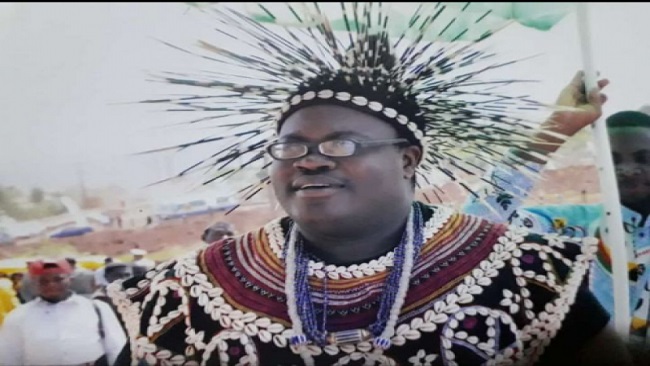
The Vice President of the Ambazonia Interim Government has stressed the resolve of the people of Southern Cameroons to rid the entire Ambazonia homeland of French Cameroun army soldiers and colonial administrators.
Speaking to Cameroon Intelligence Report late on Friday, the exiled Southern Cameroons leader, said self defense actions throughout the Federal Republic of Ambazonia will continue until the entire Southern Cameroons homeland occupied by La Republique du Cameroun army soldiers is totally liberated.
“The Ambazonia Interim Government affirms that French Cameroun military presence in Southern Cameroons is an occupation which must be resisted by all possible means,” Vice President Yerima added.
Dabney Yerima stressed that the Biya French Cameroun regime has been maintaining its presence on the Ambazonian soil to encourage divisions among the ethnic groups of Southern Cameroons and steal the resources of the people of Ambazonia. Yerima also called on Ambazonia Revolutionary Guards to try and end French Cameroun’s plunder of Southern Cameroons natural resources.
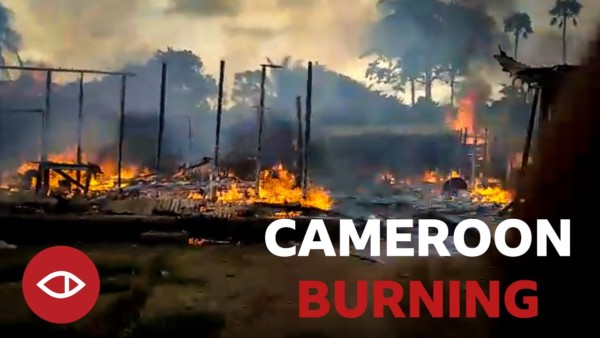
For close to five years, Cameroon government army soldiers have been burning homes in Southern Cameroons in the hope that the population will submit, but this old and ineffective strategy is not delivering the desired results. Southern Cameroonians are determined to get this problem addressed once and for all and throwing in the towel is not an option.
As many Ambazonians get robbed of their dignity and means of livelihood by the brutal Francophone dominated military through such devilish ways, so too do these Southern Cameroons civilians look for ways to get their ‘pound of flesh’ and there is no better way than joining the ranks of the Ambazonia Revolutionary Guards who are only too willing to see their ranks swell.
The burning of homes did work in the early 1960s when the government of Ahmadou Ahidjo, the country’s first president, was facing a guerrilla warfare against a movement which was fighting the French-imposed government in East Cameroon (French-speaking Cameroon), but that strategy is, without a doubt, the least effective in modern times.
By Isong Asu and Soter Agbaw-Ebai