7, March 2022
Burkina Faso’s junta appoints interim government 0
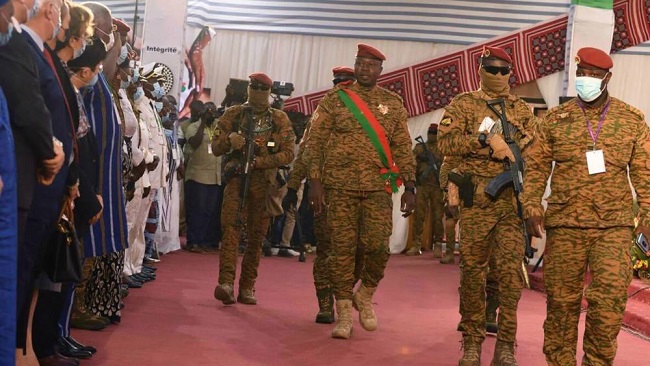
Burkina Faso’s interim president, Paul-Henri Damiba, has approved a new government, retaining the defense minister who served in the Roch Kabore government before his ouster in a January coup.
Damiba was sworn in on Wednesday as the transitional president for three years, almost two months after spearheading a coup against Kabore.
According to an official decree, the 25-member new cabinet includes General Barthelemy Simpore, the former defense minister, who has surprisingly retained his position.
The appointment of economist Albert Ouedraogo as the West African nation’s transitional prime minister was announced on Thursday.
Burkina Faso’s military coup was the fourth in West Africa in less than two years, following two in Mali and one in Guinea, reaffirming the region’s reputation as the ‘coup belt.’
Last week, the country adopted a transitional charter that would allow the junta to lead a three-year transition period.
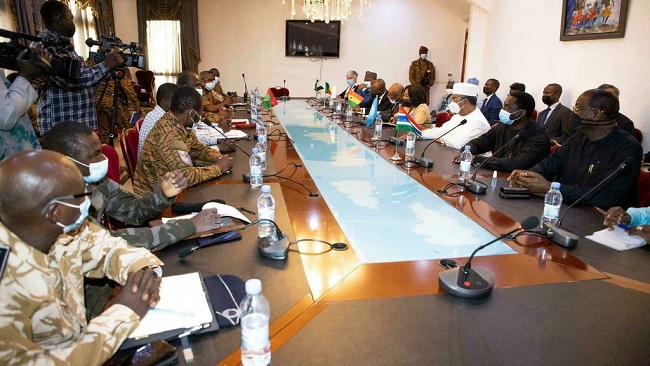
A “national forum” of political parties, trade unions, and grassroots groups approved the charter after a day-long debate in the capital, Ouagadougou.
The charter was later signed by junta leader, Lieutenant Colonel Henri-Paul Damiba, last Tuesday.
Damiba has had first-hand experience of the insurgency by Takfiri terrorists.
He was commander of the 3rd Military Region, before seizing power, which covers eastern Burkina Faso – one of the worst-hit areas.
A military official, speaking after the coup, described Damiba as “a tough commander who has been on the front line with his men”.
In late January, Burkina Faso was suspended from the Economic Community of West African States (ECOWAS) and the African Union (AU) to pressure the country to return to constitutional order.
Burkina Faso, one of the world’s poorest countries, has been under relentless attack from Takfiri groups linked to al-Qaeda and Daesh that seek control of its natural resources.
Sources







16, May 2022
Mali withdraws from G5 Sahel regional anti-jihadist force 0
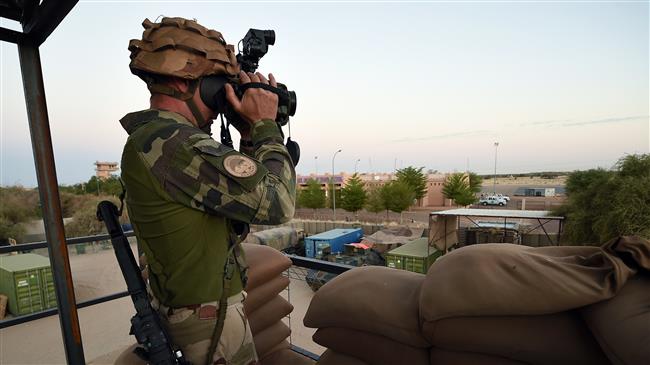
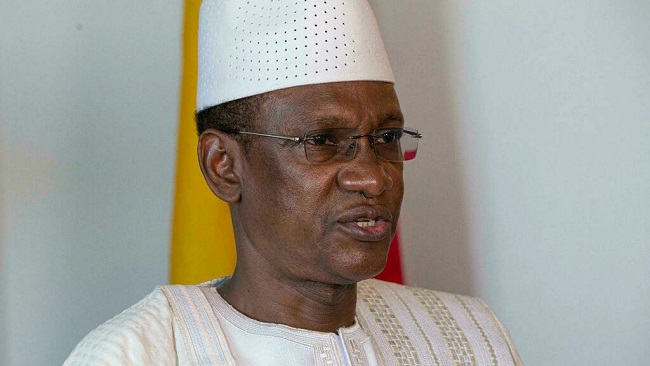
Mali said Sunday it was withdrawing from a west African force fighting jihadists to protest its being rejected as head of the G5 regional group, which also includes Mauritania, Chad, Burkina and Niger.
“The government of Mali is deciding to withdraw from all the organs and bodies of the G5 Sahel, including the joint force” fighting the jihadists, it said in a statement.
The G5 Sahel was created in 2014 and its anti-jihadist force launched in 2017.
A conference of heads of state of the G5 Sahel scheduled for February 2022 in Bamako had been due to mark “the start of the Malian presidency of the G5”.
But nearly four months after the mandate indicated this meeting “has still not taken place”, the statement said.
Bamako “firmly rejects the argument of a G5 member state which advances the internal national political situation to reject Mali’s exercising the G5 Sahel presidency”, the statement said, without naming the country.
The Mali government said “the opposition of some G5 Sahel member states to Mali’s presidency is linked to manoeuvres by a state outside the region aiming desperately to isolate Mali”, without naming that country.
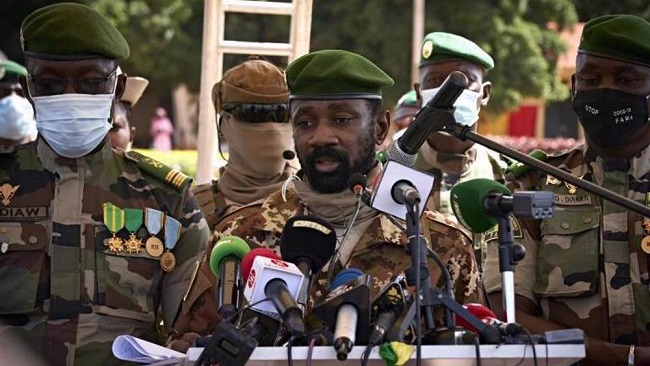
Mali has been since January 9 the target of a series of economic and diplomatic sanctions from west African states to punish the military junta’s bid to stay in power for several more years, following coups in August 2020 and May 2021.
The junta has opted for a two-year transition while the Economic Community of West African States has urged Bamako to organise elections in 16 months maximum.
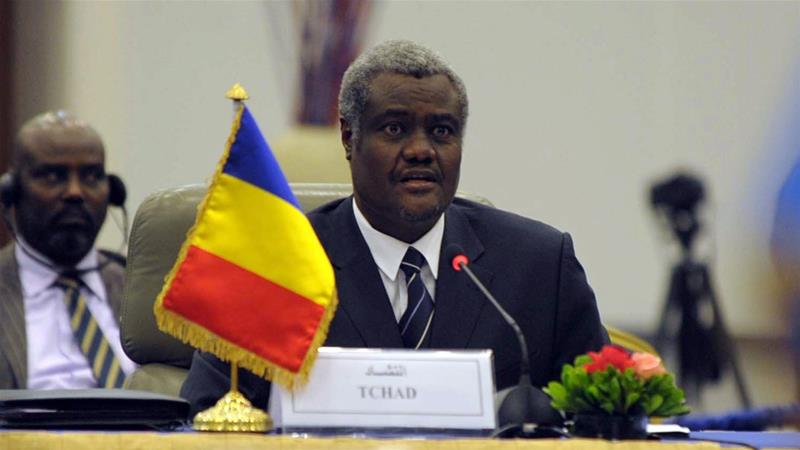
Beyond Mali and Burkina, the G5 Sahel, composed of around 5,000 troops, includes Mauritania, Chad and Niger.
The military coups in Mali and Burkina Faso are undermining the regional force’s operational capacity, UN Secretary General Antonio Guterres said in a report to Security Council on May 11.
“I am deeply concerned by the rapidly deteriorating security situation in the Sahel, as well as by the potentially debilitating effect the uncertain political situation in Mali, Burkina Faso and beyond will have on efforts to further operationalise the G5-Sahel Joint Force,” Guterres’ report said.
Source: AFP