10, April 2023
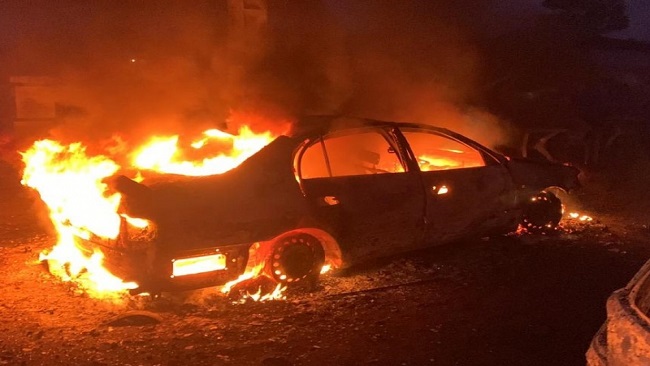
Southern Cameroons Crisis: Gunmen storm Mile 16 Buea, seven cars burnt 0
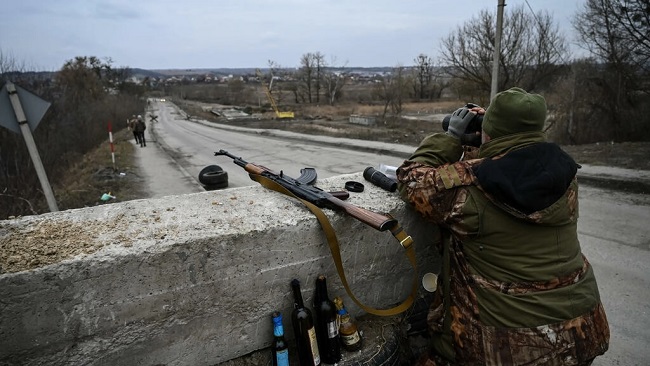
Armed Amba fighters have stormed Mile 16 in Buea today Monday, according to the Francophone dominated police force and local residents, the latest violence to hit Southern Cameroons.
Many Southern Cameroons Self Defense Forces raided Mile 16 district, Cameroon Concord News cited the sources as saying on Monday.
The Amba fighters fired guns in the air, attacked the Mile 16 Motor Park and pursued others who fled to escape the assaults.
Cameroon Concord News correspondent said seven cars were burnt and added that policemen were deployed in the area following the attacks.
Local residents said Amba fighters attacked the occupants of the cars because they did not respect the ghost town order.
The Mile 16 district has been repeatedly raided by Ambazonia fighters.
The Southern Cameroons conflict has killed thousands and forced at least two million to flee their homes, creating one of the worst humanitarian crises in Cameroon.
Most of the burnt cars were used for public transport between Buea and Limbe or Buea and Douala, in the Littoral Region.
According to our information the Amba fighters disappeared into thin air after the attack, which left at least three people seriously injured among those in the burnt-out cars.
Since the outbreak of the crisis in Southern Cameroons, separatist fighters have so far imposed ghost town known as “Kontry Sunday” every Monday. This order has been scrupulously respected in some towns in the South West and North West Regions, notwithstanding the fact that, to encourage the population to go about their business, the authorities have deployed defense and security forces in sensitive areas.
By Rita Akana



















11, April 2023
Football: Madrid coach Ancelotti saddened by Chelsea slump 0
Real Madrid coach Carlo Ancelotti said he was sad to see Chelsea’s slump this season, ahead of their Champions League quarter-final clash on Wednesday.
The Italian coach led the Blues between 2009-2011, winning a Premier League and FA Cup double in 2010.
Chelsea, 11th in the Premier League, sacked coach Graham Potter at the start of April and hired their former coach Frank Lampard on an interim basis.
“I am sad, yes,” Ancelotti told a news conference on Tuesday before the first leg clash at the Santiago Bernabeu.
“I have a fantastic memory of this club, of the people that are still working there.
“I’m a supporter of Chelsea, of course, because I spent two really nice years there.”
Ancelotti, who has a year left to run on his contract with Madrid, said he did not see himself returning to Stamford Bridge for a second stint in charge.
“Be back? No, I hope that Lampard is able to do a fantastic job with them,” added Ancelotti.
The Real Madrid coach did not think his extra years of experience compared to Lampard, whom he managed at Chelsea, would make the difference in the tie.
“He has 20 years less experience, but that will not change what will happen in the game,” continued Ancelotti.
“He was a fantastic player, extraordinary, he knows very well what can happen in these games but experience, in these matches, I don’t think counts for much.
“He arrived at the club a week ago, with a lot of players that he already knew, I think he’ll do well in the time that he’s at Chelsea.”
Madrid, who won the Champions League last season, are looking to lift the trophy for the sixth time in 10 seasons.
Ancelotti said midfielder Fede Valverde was training well, despite the storm brewing around him in recent days.
Spanish reports say he punched Villarreal midfielder Alex Baena after their La Liga clash on Saturday.
Baena said he had reported a Real Madrid player to police after being attacked following his team’s 3-2 win over the Spanish and European champions.
“He was motivated today, like the rest of them, he trained well, I know him very well,” said Ancelotti.
“He has a special human quality, extraordinary, and about what happened, I don’t want to speak about it, but I’m sure tomorrow he’ll give everything, as always.”
Real Madrid defender David Alaba also showed his backing for his team-mate.
“He’s (doing) very good, he’s got all the support from us for sure,” Alaba told reporters.
“He’s training well, he looks sharp and focused for the game tomorrow, but I can’t say more about those things that happened.”
Source: AFP