6, February 2022
Mane scores winning kick as Senegal beat Egypt in Cup of Nations final shoot-out 0
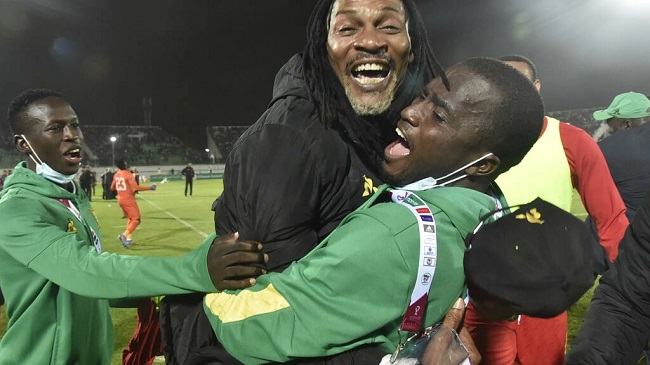
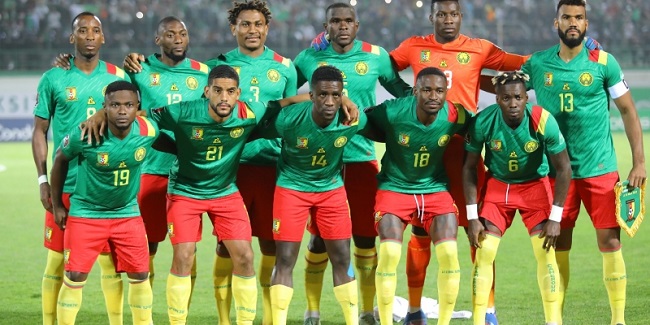
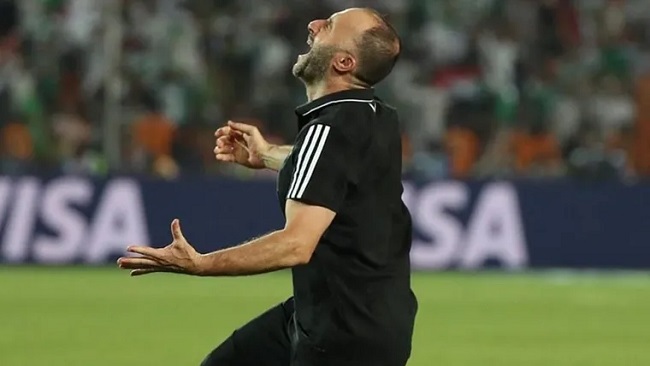
Sadio Mane made up for missing from the spot in normal time to score the decisive penalty as Senegal overcame Mohamed Salah’s Egypt 4-2 in a shoot-out to win their first Africa Cup of Nations title after Sunday’s final finished goalless at the end of extra time.
Mane had seen Mohamed Abou Gabal save his seventh-minute penalty at the Olembe Stadium in Yaounde but Egypt could not capitalise as they went all the way to extra time for the fourth consecutive game at this Cup of Nations.
Salah was due to step up to take Egypt’s fifth penalty but with Mohamed Abdelmonem hitting the post and Mohanad Lasheen having his kick saved by Edouard Mendy, the Liverpool star did not get his chance and was already on the verge of tears as his club team-mate Mane prepared to strike the decisive blow.
After two previous final defeats, Senegal are Cup of Nations winners at last, while Egypt missed out on a record-extending eighth continental crown that would also have been a first for Salah.
Senegal’s celebrations followed a disappointing final, the fifth in the last 11 editions of the tournament to be decided in a shoot-out after a goalless draw.
Indeed Egypt had already twice won finals that had been settled on penalties after finishing 0-0, and they had already won in the same manner twice in the last fortnight, against the Ivory Coast in the last 16 and the hosts in the semi-finals.
Not Salah’s night
This time their luck ran out as the tournament ended at the venue where eight people died and 38 were injured in a crush on January 24.
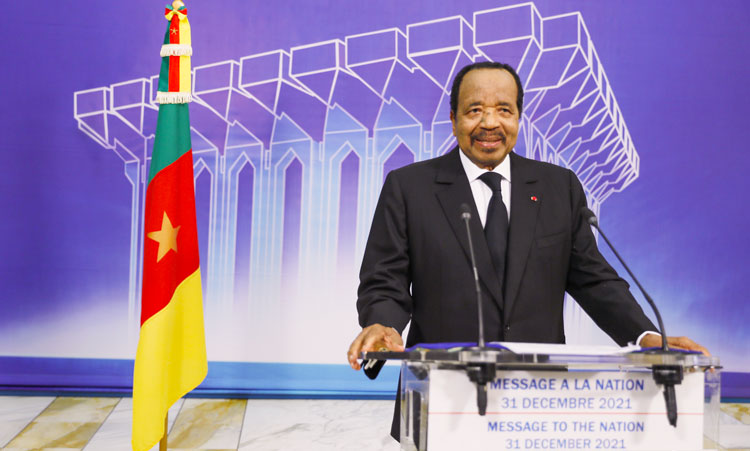
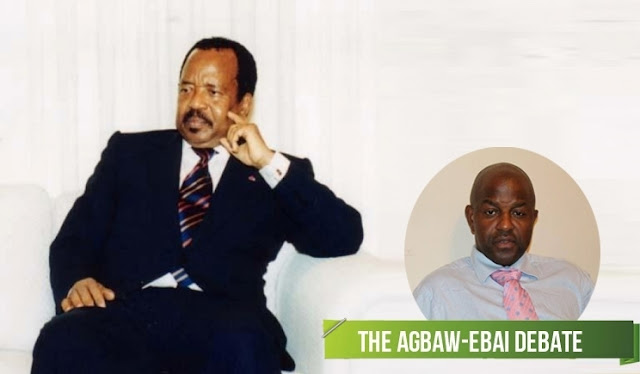
The country’s 88-year-old President, Paul Biya, attended the closing ceremony where he was paraded in an open-top car to hysterical crowds along with his wife, First Lady Chantal Biya.
FIFA president Gianni Infantino and CAF chief Patrice Motsepe were also in attendance although the biggest cheers were reserved for Cameroon great Samuel Eto’o, now the head of the country’s football federation, when his face appeared on the big screens.
A four-time African player of the year and two-time AFCON winner, Eto’o is one of the continent’s all-time great footballers, but this final brought together Africa’s current superstar duo in Salah and Mane.
Desperate to make up for losing the 2019 final to Algeria, Senegal had a golden early chance to take the lead when outstanding left-back Saliou Ciss was chopped down by Abdelmonem in the box.
Mane stepped up, but his kick was too close to the middle of the goal and Abou Gabal was able to save.
Salah needed nearly half an hour to make a genuine impact with a jinking run in from the right and a shot easily saved by Mendy, and the Chelsea goalkeeper then produced an excellent stop to tip a Salah effort over just before half-time.
Extra time again
Aliou Cisse’s Senegal team boast a plethora of stars based at major European clubs while Salah and Arsenal’s Mohamed Elneny are exceptions in an Egyptian side still largely based at home.
Carlos Queiroz’s team are masters of the dark arts and the Portuguese coach himself was suspended here after losing his temper in the semi-final and being sent off.
Their coaching staff pulled the strings on the touchline, moving Salah into a central role after an hour, and substitute centre-forward Marwan Hamdy missed a glorious chance soon after as he headed wide from point-blank range.
By then it was clear that Egypt were willing to go to extra time again, sure that they could rely on more heroics from their goalkeeper.
Abou Gabal, nicknamed Gabaski, clawed away Boulaye Dia’s 100th-minute header after a fine cross by Ciss, and he also kept out a Bamba Dieng piledriver in the second period of extra time.
With Mendy saving from Hamdy at the other end, penalties were inevitable, and it proved to be Senegal’s night with Bouna Sarr their only player to miss his kick.
Source: AFP


6, February 2022
African Union condemns ‘wave’ of coups, suspends debate on Israel ties 0
The African Union has condemned a recent “wave” of military coups that has seen an unprecedented number of member states suspended from the bloc, a senior official said Sunday, the last day of its annual summit.
The putsches were among the main issues expected to be discussed at the summit, along with the AU’s ties to Israel and its response to a grinding war in the north of host country Ethiopia.
Less than two weeks before the summit began Saturday, Burkina Faso became the fourth country to be suspended by the AU after disgruntled soldiers toppled President Roch Marc Christian Kabore.
Guinea, Mali and Sudan are also currently suspended.
“Every African leader in the assembly has condemned unequivocally… the wave of unconstitutional changes of government,” Bankole Adeoye, head of the AU’s Peace and Security Council, told a press conference Sunday.
“Do your research: At no time in the history of the African Union have we had four countries in one calendar year, in 12 months, been suspended,” Adeoye said.
Addressing African foreign ministers ahead of the summit, Moussa Faki Mahamat, chair of the African Union Commission, denounced a “worrying resurgence” of such military coups.
But the AU has been accused of an inconsistent response, notably by not suspending Chad after a military council took over following the death of longtime President Idriss Deby Itno on the battlefield last April.
And while Adeoye touted the AU’s use of suspensions to punish coup leaders, analysts say the body must be more proactive to prevent putsches.
“It is only when crisis hits that we say, ‘Gosh, how come this country is falling apart like this so quickly?'” Solomon Dersso, founder of the AU-focused Amani Africa think-tank, told AFP this week.
Israel debate paused
Also on Sunday, leaders agreed to suspend debate on Faki’s controversial decision to accept the accreditation of Israel, postponing a potentially divisive vote.
Faki’s move last July drew protest from influential members including South Africa and Algeria which argued that it flew in the face of AU statements supporting the Palestinian Territories.
Both countries pushed to have the issue put on the summit agenda.
As the summit opened Saturday, Faki defended Israel’s accreditation, saying it could be “an instrument in the service of peace” while calling for “a serene debate”.
He also said the AU’s commitment to the Palestinian push for independence was “unchanging and can only continue to grow stronger”.
Palestinian prime minister Mohammed Shtayyeh on Saturday called for Israel’s accreditation to be revoked, saying it “should never be rewarded” for its “apartheid regime”.
The AU normally prizes consensus, but it was unclear how a vote would have fared, with a two-thirds majority required to overrule Faki.
Instead a six-country committee will study the issue, diplomats told AFP Sunday.
Along with South Africa and Algeria, the committee will include Rwanda and the Democratic Republic of Congo, who supported Faki’s move, as well as Cameroon and Nigeria, the diplomats said.
Israel’s foreign ministry said the AU had “rejected attempts by Algeria and South Africa to revoke” its accreditation.
“The committee’s conclusions will be presented at the African Union Summit in 2023,” the ministry said in a statement.
Ethiopia peace push
It was unclear whether the summit, most of which took place behind closed doors, substantively addressed the 15-month war in Ethiopia, which pits Prime Minister Abiy Ahmed’s government against fighters from the northern Tigray region.
The fact that Ethiopia hosts the AU makes any intervention by the bloc especially delicate, and Faki waited until last August — nine months after fighting began — to appoint Olusegun Obasanjo as a special envoy tasked with trying to broker a ceasefire.
Ethiopia has also held a seat on the Peace and Security Council throughout the conflict, though it failed in its bid to stay on the 15-member body for the next term, diplomats said.
Adeoye said Sunday it was “not true” that the AU had been slow to respond to a war that has left thousands dead and, according to the United Nations, driven hundreds of thousands to the brink of starvation.
“There was no way the AU would not engage on such a situation given its exact location in Ethiopia,” he said. Obasanjo will head to war-hit areas this week, and the AU will provide “experts from the African continent” to back up his push for dialogue, Adeoye said.
Source: AFP