
19, January 2018
Moscow says US leaking Russian diplomats’ bank data 0
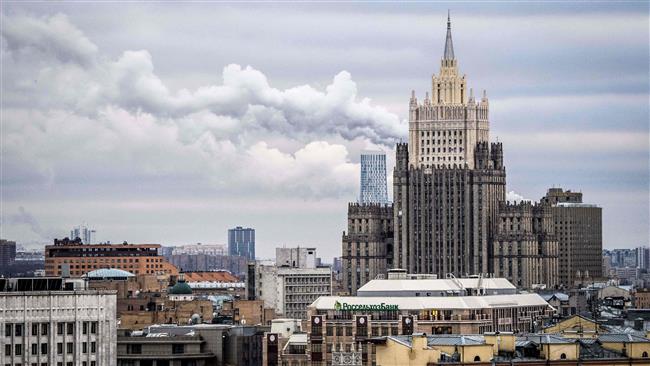
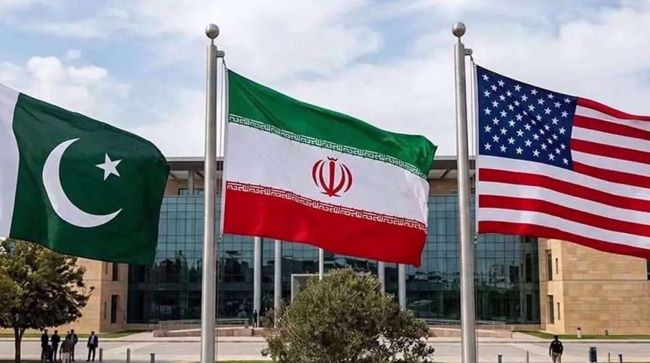
Russia says the United States has been leaking to the media the confidential financial data of the Russian diplomats based in America, thereby violating their privacy and diplomatic immunity.
US media outlet Buzzfeed reported Wednesday that US officials investigating allegations of Russian interference in the 2016 presidential election in the US were inspecting newly uncovered financial transactions between the Russian government and people or businesses inside the US.
Russian Foreign Ministry said in a statement the following day that the transactions that had been leaked contained nothing except routine payments but that hey were being twisted to make them appear suspicious.
“It’s obvious that this could not have happened without the knowledge of the authorities of that country (the United States),” the Russian Foreign Ministry said on Thursday. “In other words, this intrusion on the sanctity of the accounts of the [Russian] embassy and its staff, who have diplomatic immunity, is the work of Washington officialdom.”
The ministry criticized Washington for “not ensuring the appropriate conditions for the functioning of Russia’s diplomatic missions,” saying the pressure on the diplomats “continues and is growing.”
The ministry demanded that Washington “immediately stop the unlawful distribution of confidential information… and hold responsible those who are to blame, including those who hold relevant posts in the American state administration.”
The US Justice Department’s special counsel, Robert Mueller, has been leading a team of investigators looking into allegations of Russian interference in the presidential election that put Donald Trump into office. Both Moscow and the White House have repeatedly dismissed the allegations.
Investigators are now looking into a number of transactions between the government in Moscow and entities in the US flagged to the Treasury Department as suspicious.
A spokesman for the Russian Embassy, Nikolay Lakhonin, told Buzzfeed on Wednesday that the embassy’s transactions in America were in compliance with the law and said that the leaked activity reports were intended to “discredit Russian official missions.”
Source: Presstv














19, January 2018
Biya regime putting the internet back on in its Anglophone regions for diplomatic visitors 0
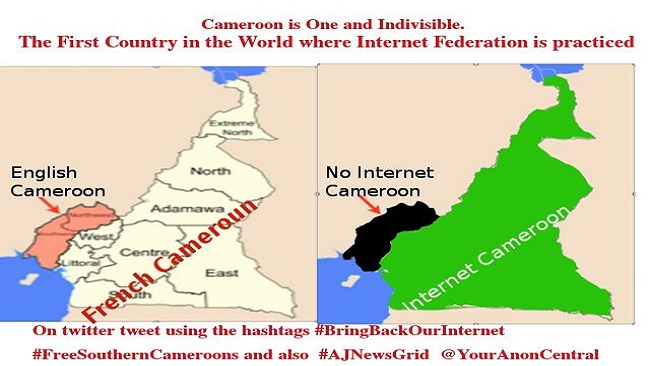
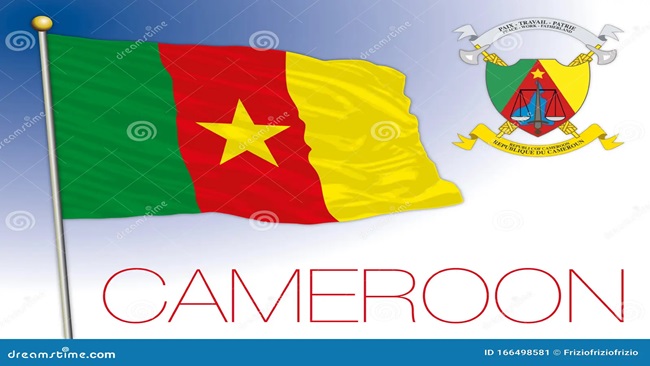
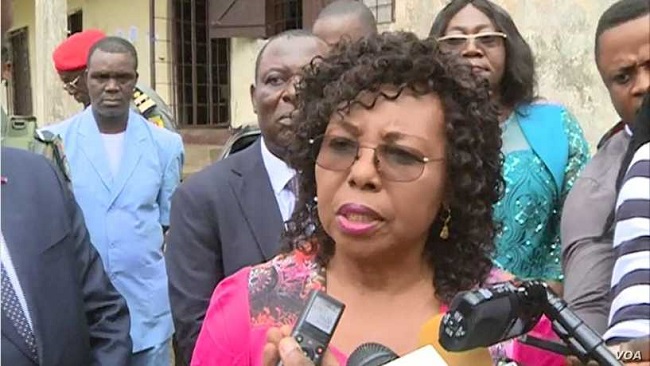
Cameroon put the internet back on in its English-speaking regions on Wednesday (Jan. 17) after nearly four months.
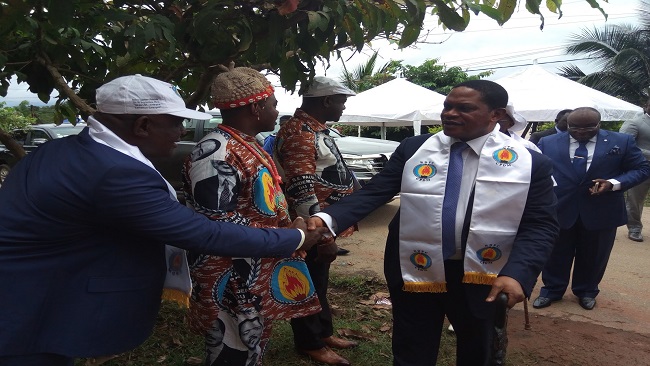
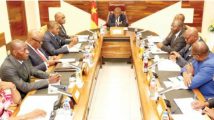
But it only lasted for 48 hours. It was the latest example of a political strategy by the government to try and have it both ways. This week it switched on the internet ahead of a visit from a Confederation of African Football (CAF) delegation to towns in its troubled South West region. The delegation was there to examine the readiness of stadia and other facilities needed to host next year’s African Cup of Nations, the continent’s most high profile sporting event.
After the CAF delegation moved out of the city of Limbe on Thursday (Jan.18), the internet left with them. The delegation visited the towns of Buea and Limbe over two days. During their stay in the region, local internet users could access internet normally. But soon after the delegation moved out of the city of Limbe on Thursday (Jan.18), the internet left with it. People in the region said that later in the evening the region still had internet but it was slow to the extent that nothing could be downloaded or uploaded.
Since Jan. 17, 2017, the internet in Cameroon’s South West and North West regions has been completely off or severely slowed down for a total of 206 days as of Jan. 19 this year, according to Internet Sans Frontieres.
The shutdown is part of a wider effort by the Cameroon government to clamp down on local activists in the English-speaking regions who have been protesting against what they say are injustices and economic depravity being imposed by the dominant Francophone government.
Otto Akam of the Buea Silicon Mountain hub of young digital startup owners said they had been expecting the internet to be switched off when the delegation left. He said the same thing happened when the Commonwealth secretary-general, Patricia Scotland, visited the region in December to meet religious, political and traditional leaders to find a way out of the ongoing crisis which has degenerated into an armed conflict. “We had 24 hours of smooth internet connectivity. It was completely switched off when she left. We returned to using other means of bypassing the blockage” he said.
Local journalists in the region, who asked not to be named, confirmed both events. The belief is that the temporary reinstatements are attempts to reassure important international guests like CAF and the Commonwealth that there are no issues with internet connectivity in the troubled region.
The internet was switched off in English-speaking Cameroon, on Oct. 1 when the region self-declared its independence with the formation of an interim government. Since then, citizens in the region have been using virtual private networks (VPN) to access the and bypass the blockage. A message circulated on WhatsApp groups while the internet was on advised internet users in the crisis region not to uninstall VPNs from their mobile devices because the internet reinstatement might last only two days; it did.
Source: Quartz Media