
23, September 2022
Plastic Pollution: Cameroon’s next daunting challenge! 0
Cameroon is a country known for its multiple challenges and the government’s inability to overcome some of these daunting challenges which have been left unattended for years.
Besides the usual economic challenges which have resulted in massive unemployment and tough financial challenges across the nation, the country has been struggling with an insurgency in its two English-speaking regions and this unfortunate situation is spreading, living in its wake a trail of death and environmental destruction.
Plastic is not inherently bad. It is a man-made product which brings many benefits to society in terms of packaging and job creation. It is bound to be a long-term problem given that plastic is not bio-degradable and the current linear economic model of “take-make-waste” which is the root cause of plastic pollution is not helping matters.
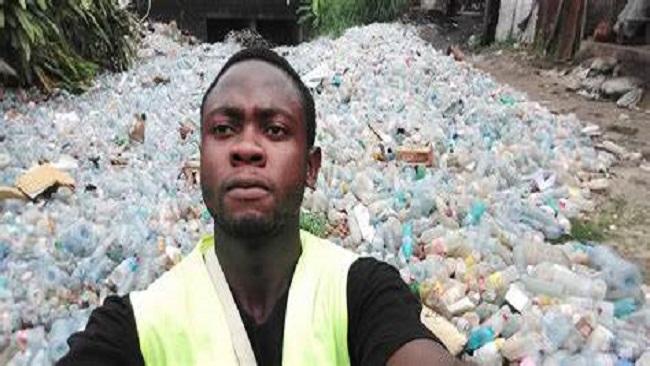
In Cameroon, it is a normal thing to see plastic waste is strewn all over the country. The country’s streets are dirty, and most water ways and gutters have been clogged with plastic waste. The most disheartening thing is that there is no effort or government policy to check the spread of these devastating plastic products which are not only destroying the physical environment, but are also killing many marine and domestic animals.
The issue with plastic starts with the way it is produced. The problems it creates gets compounded by the way products and packaging are designed, coupled with how plastic items are managed after use, making the management of plastics highly unsustainable and damaging to both human health and nature.
This problem is indeed far-reaching. Discarded plastic items found in nature fragment over time into smaller and smaller pieces known as micro-plastics. Micro-plastics are found in the food we eat, the water we drink and the air we breathe.
Animals, including livestock, can also confuse micro-plastics for food, which often leads to fatalities. Also, marine life often gets entangled in single-use plastic bags, ropes or discarded fishing nets. Plastic pollution thus poses a threat to the country’s blue economy, affecting ocean-based economic activities such as tourism, fishing and maritime trade.
Cameroon is well known for its beautiful sunset, pristine land- and seascapes and impressive wildlife. But not too far from these idyllic nature-based tourist destinations are densely populated African cities such as Douala, Limbe, Kumba, Yaounde, Bamenda, etc. Most of the country’s rural areas and growing towns, rivers and coastlines are gradually becoming heavily polluted with discarded plastic packaging and other plastic waste.
In Cameroon, plastic items are thrown away after use and this clearly serves as an indicator of poor plastic management. Plastic leakage into the environment is incontestably a symptom of failure regarding the management of the plastic lifecycle.
From raw material extraction to polymer production and product design, to consumption and waste collection, to the management of plastic after use, there is no government policy which underscores the proper disposal of these plastic wasters which spell death to many marine animals.
The true lifetime cost of plastic pollution is not fully known. These costs include greenhouse gas emissions, human and ecosystem health impacts, as well as unmanaged plastic waste. The government and key policy actors need to think systemically across the full lifecycle of plastic products.
They must seek to preserve the country’s iconic landscapes, seascapes, and cities from devastating plastic pollution. The government needs to improve the integration and management of plastic waste into its national policy instruments if it really wants to eradicate plastic pollution and accelerate a shift towards a circular plastics economy in the country.
By Alain Agbor Ebot, Cameroon Concord News’ Senior reporter




















23, September 2022
Two Southern Cameroonians shot by Francophone soldiers in North West 0
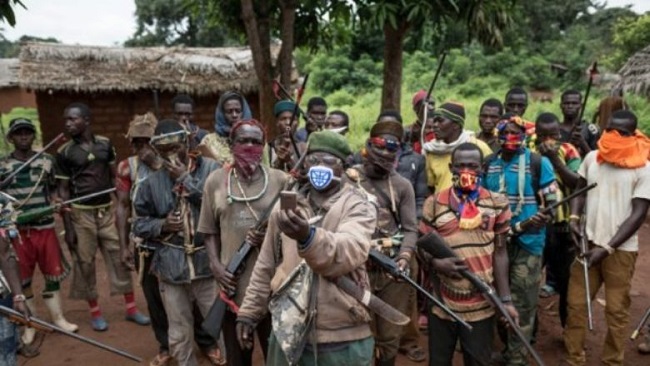
Two Southern Cameroonians were killed after being shot by soldiers loyal to the Biya Francophone regime in Yaoundé on Wednesday, the latest violence in a region hit by bloody conflict between Ambazonia fighters and the Francophone dominated Cameroon government military.
Yaoundé as usual described the Nylbat-Andek killings as an “unfortunate incident” claiming that three of its soldiers disobeyed orders and attacked villagers.
“The men, acting “in violation of their instructions, attacked some residents on whom one of the soldiers unfortunately opened fire”, said Colonel Cyrille Atonfack, communications officer at the ministry of defence, in a press statement.
The Southern Cameroons victims were two women aged 47 and 49.
In its continued efforts aimed at deceiving international public opinion, Yaoundé also said that the soldiers were arrested and an investigation had been opened.
Southern Cameroons have suffered a bloody conflict between Ambazonia Revolutionary Guards and the Francophone dominated Cameroon government military for years.
Southern Cameroons resentment at perceived discrimination snowballed into the declaration of an independent state in 2017 — the “Federal Republic of Ambazonia” by the Ambazonian leader President Sisiku Ayuk Tabe.
Biya, 89, has resisted calls for more autonomy in the regions and responded with a crackdown on Southern Cameroonians.
The violence has claimed more than 45, 000 lives and displaced around a million people, according to Ambazonia Interim Government sources.
International monitors and the United Nations say both sides have committed abuses, including crimes against civilians.
In February 2020, at least 23 people were killed in a military raid on the village of Ngarbuh in the North West, 15 of whom were children, according to UN figures.
By Rita Akana with files from AFP