
3, January 2022
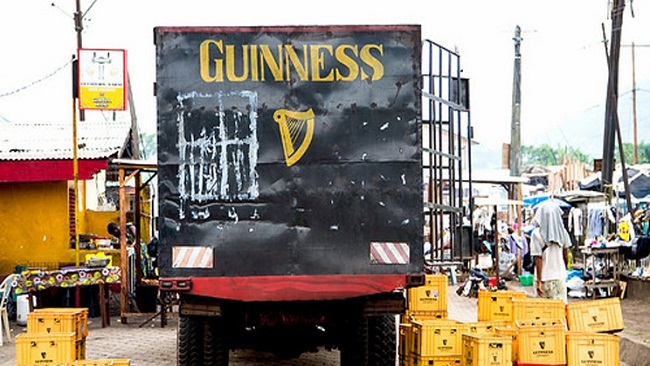
Ban on Brasseries products in Ambazonia: a whole new set of people drinking Guinness 0
About a fifth of every beer sold in Cameroon is a Guinness. This is outstanding for a beer that arrived relatively late on the Cameroonian drinking scene. According to Guinness Cameroun S.A, the stout was introduced to Cameroon at the start of the 20th-century by European traders who docked with bottles of the black stuff on board their ships.
It was an instant hit and Guinness Ltd, the London-based parent company at the time, started exporting to Cameroon to meet the growing demand. In 1967, Guinness Cameroun S.A was incorporated and a depot opened in the port city of Limbe to supply the local market. Three other depots quickly followed in other parts of the country, and by 1969 the decision was made to open a brewery in Douala. The brewery started serving Cameroonians homemade Guinness in 1970.
When TV launched in Cameroon in 1985, Guinness took advantage of the platform to run ads that not only charmed viewers but touted the beverage as the embodiment of strength. First, it was good for you, as in good for your health and mood, and then it brought out the power in you.
Advanced Settings
Those old enough to remember often talk about when Guinness was sold in pharmacies. People would run to the bar after donating blood, and women would demand a pint or two while recovering on the delivery bed. People who didn’t drink Guinness would occasionally take it for stomach trouble. Conversations like these have taken the beer from regular drinking spaces into the lives of the non-drinking public. Of course, the company ties its success to something simpler: the quality of its product.
“Guinness Foreign Extra Stout is successful in Cameroon because of its heritage and quality,” explains Guinness Cameroun S.A’s Communications Manager, Jeanne Nji. “The quality of Guinness Foreign Extra Stout has not changed. The recipe remains the same, and our consumers are delighted with this same great taste.”
At the turn of the millennium, Guinness pushed the dialogue even further when they introduced Michael Power, a Bond-like character whose inspirational monologues accompanied an action-packed series that aired on TV and radio across Africa. Once again, Cameroonians were hooked.
Guinness also has a long association with the Mount Cameroon Race of Hope, a grueling foot race to the top of West Africa’s tallest mountain and back. The race is held annually and broadcast on national television. Sponsorship of sports tournaments like the English Premier League works well in a football-mad country. The company takes on local causes and rewards its consumers with free bottles, cars, and cash during promotions. Ad campaigns like “Made of Black” and “Made of Greatness” target young consumers with aspirational messages that highlight their desire for self-expression.
Even stronger than the ads is the legion of cult followers who wouldn’t touch another beer with a stick. These ultra-fans are fiercely loyal and like to brag about how long they’ve stuck to the Guinness brand. For some, it’s an essential part of family tradition—having been passed down from their grandparents to their fathers—and something they hope their kids will carry on. There are even collectors among them who refuse to part with old Guinness bottles and crowns. These are the people who only go to bars and events that serve Guinness or carry their crates along.
Cameroon is currently ranked fifth in Guinness consumption, just behind the United States, which is 13 times bigger with over 30 million people of Irish descent. Cameroon doesn’t celebrate St. Patrick’s Day, but it shows its affection for Guinness in many other ways. One of the reasons Cameroon lost its fourth place to the U.S. is because Diageo (Guinness’ parent company) is trying to diversify its market by offering locally made premium wines and spirits and a range of lagers across Africa.
Guinness Cameroun S.A has a long history of experimenting with variations of Guinness like Guinness Smooth, Guinness Chocolate Stout, and Guinness Triple Black—a dark spirit that first launched in Cameroon in 2018. Guinness Triple Black was made to mark the company’s 50th anniversary in Cameroon.
It’s just as well that the unbelievers are being offered alternatives, especially in parts of the country where some drinks are banned. When civil war broke out in Cameroon in 2017, there were calls for Southern Cameroonians to boycott beer brands that put money into the pockets of the government.
Some independence fighters trying to enforce the ban have allegedly maimed or killed people for selling or consuming what they now consider contraband in the war zone. There’s a whole new set of people drinking Guinness or Guinness products because it’s the safe thing to do.
In other places, the fighters have taken the less violent route by placing tariffs on banned beers, but the most lucrative business comes from smugglers bringing in Guinness from neighboring Nigeria to satisfy the growing market.
Nigeria is the second-biggest consumer of Guinness globally, the kind of neighbor you want in times of desperate need. Nigeria and Cameroon are two of only six places where Guinness owns and runs its breweries. These two markets lead a continent where 40% of the world’s Guinness is brewed and sold.
Nigerian Guinness Foreign Extra Stout is cheaper, but Cameroonians think it’s weaker and aren’t keen on the taste. Blindfold a Cameroonian fanatic, and the disappointment on their face will tell you they’re drinking the neighbor’s poor substitute. Still, many would rather suffer the slight discomfort than drink any other beer.
Culled from Fodors.com



















3, January 2022
President Sisiku Ayuk Tabe represents secret of Southern Cameroons victory-Prof Anyangwe 0
A Southern Cameroons front line leader moonlighting with the Ambazonia Interim Government says President Sisiku Ayuk Tabe represents the secret of endurance and victory for the people of the Federal Republic of Ambazonia.
Professor Carlson Anyangwe added that the continued detention of President Sisiku Ayuk Tabe and his top aides in the French Cameroun Kondengui Maximum Security Prison is an indication that the Ambazonia’s chief executive remains a danger to the French Cameroun enemy and his time in jail is greater for the war of liberation.
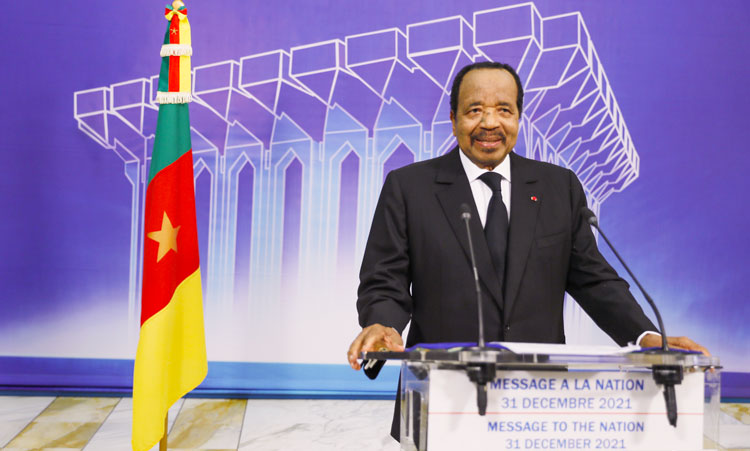
Speaking exclusively to Cameroon Concord News, Carlson Anyangwe showered praises on Vice President Dabney Yerima for the respect accorded in his end of year speech to President Sisiku Ayuk Tabe and the thousands of Southern Cameroonians currently being held in French Cameroun detention centres.
“For over five years now, President Sisiku Ayuk Tabe remains the Southern Cameroons symbol of hope, self-confidence, courage and the secret of endurance and victory in our struggle” the renowned Professor of Law said during a conversation with our London Bureau Chief, Isong Asu.
Professor Anyangwe’s remarks came as the Ambazonia Interim Government began making investment in the Bank of Ambazonia and the Big Rubbergun Project its top priorities.
“La Republique du Cameroun thought that keeping President Sisiku Ayuk Tabe and his cabinet in jail, the Ambazonia liberation work would be over, but five years have come passed and gone, thanks to that great son of Southern Cameroons, Sisiku Ayuk Tabe, French Cameroun is slowly but surely leaving the Federal Republic of Ambazonia,” Carlson Anyangwe told Cameroon Concord News.
In parts of Akwaya, Eyumojock and Upper Banyang in Manyu, Professor Carlson Anyangwe said, the French Cameroun regime were forced to pullout.
“In Ekondo Titi in Ndian, Tatum and Njakiri in Bui, Ambazonia Revolutionary Guards are advancing; in Wum and Weh in Menchum and the Bamenda-Mamfe motorway, the French Cameroun enemy is paralyzed without hope for the future and the anti-colonial current in Southern Cameroons is more prosperous, buoyant and hopeful more than ever before” Professor Anyangwe furthered.
Carlson Anyangwe called President Sisiku Ayuk Tabe an enduring and everlasting personality in Southern Cameroons history.
By Soter Tarh Agbaw-Ebai