
9, June 2021
French Cameroun: Biya regime to introduce biometric passports from July 1 0
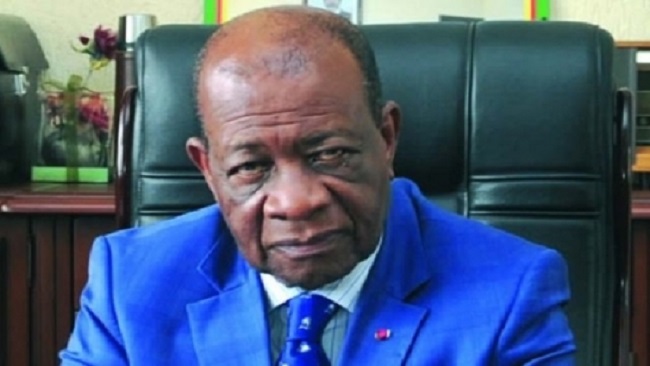
Cameroon plans to launch the first biometric passport model starting from July 1, a senior official told the press on Tuesday.
Dominique Baya, Secretary General of the General Delegation of National Security said, the intention was to eradicate fraud or forgery, and avoid delays encountered in the issuance of the travel document.
“The objective is to provide a modern, reliable and highly secured production system capable of fully meeting the requirements of the International Civil Aviation Organization and the Economic and Monetary Community of Central Africa,” Baya told reporters in the capital, Yaounde.
Applications for Cameroonian passport will henceforth be online and passports will be issued 48 hours after enrolment, he added.
Source: Xinhaunet















9, June 2021
President Sisiku Ayuk Tabe’s lawyer freed 0
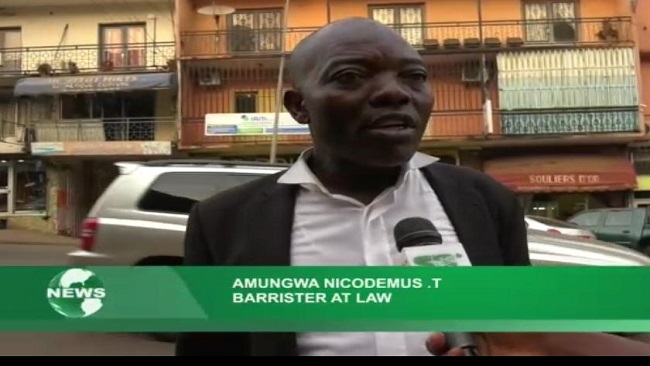
The Cameroon Bar has obtained the release of human rights lawyer Amungwa Tanyi Nicodemus, a statement has said.
The prosecutor at the Yaoundé Military Tribunal granted bail to Barrister Amungwa Wednesday, June 9, 2021, with three key members of the Bar Council standing as guarantors.
The bail guarantors include Barrister Claire Atangana Bikouna, President of the Bar Council, Barrister Pierre Robert Fojou, representative of the Bar President for the Center, South & East, and Barrister Daniel Ngos, Deputy Secretary of the Bar.
On Monday, June 7, 2021, Human Rights Watch described as “unjust” the jailing of human rights lawyer Amungwa Tanyi Nicodemus on “bogus charges of inciting terrorism.”
“He should be released immediately,” Human Rights Watch said.
According to the human rights organization, Gendarmes arrested Amungwa on May 31 at the Groupement Territorial de la Gendarmerie in Cameroon’s capital, Yaoundé, while he was assisting a client.
“According to Amungwa’s lawyers, after Amungwa complained that Cameroon’s criminal procedure had been breached in his client’s case, the gendarme in charge of the investigation seized Amungwa’s phone without a warrant, claiming Amungwa had taken photographs at the facility,” Human Rights Watch wrote. “While searching for the alleged photographs, the gendarme found other photographs that recorded alleged military abuses in Cameroon’s Anglophone regions and arrested Amungwa, his lawyers said.”
It said Amungwa was transferred to the Service Central des Recherches Judiciaires (SCRJ), at the State Defense Secretariat (Secrétariat d’État à la défense, SED) – a detention facility where Human Rights Watch has previously documented repeated resort to incommunicado detention and torture – where he remains detained.
On June 1, Amungwa’s lawyers and the head of the Cameroon bar association visited him in detention and urged his release. Two days later, the Yaoundé military court prosecutor rejected Amungwa’s lawyers’ request for bail and returned the case to the SCRJ for “relevant checks.”
The release on bail of Barrister Amungwa this Wednesday suggests that the relevant checks were successful.
Amungwa, a member of the Cameroon bar association, is one of the lawyers representing Sisiku Julius Ayuk Tabe, the jailed leader of the Cameroonian separatist group, the Ambazonia Interim Government, and several other people arrested in connection with the Anglophone crisis.
“Amungwa’s arrest is a direct attack on the legal profession,” Ayukotang Ndep Nkongho, one of Amungwa’s lawyers, told Human Rights Watch. “His arbitrary detention reveals a system geared towards stifling and undermining the role and activities of lawyers involved in key human rights cases.”
Cameroon’s state forces have been battling to dislodge armed separatists who pitched their tents in the North West and South West Regions since Anglophone protests transformed into an armed conflict in 2017.
Corporate demands by Common Law Lawyers and Anglophone Teachers led to protests in November 2016. The street demonstrations later morphed into ongoing running gun battles between state forces and armed separatist fighters in the predominantly English-speaking regions, leading to untold destruction of human lives, their habitats, and livelihoods.
Tit-for-tat killings, kidnappings, arsons, maiming, and outright terror have become part of daily lives in some parts of the English-speaking regions.
Source: CIN