9, May 2018
UK foreign secretary regrets Trump’s decision on Iran 0
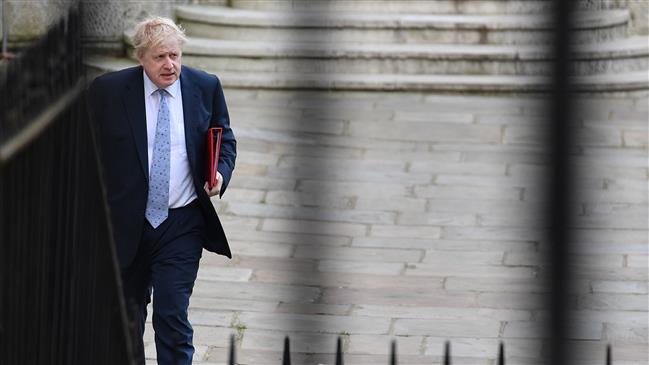
British Foreign Secretary Boris Johnson voices regret for US President Donald Trump’s decision to withdraw from the Iran nuclear deal.
Johnson made the comment in a tweet on Tuesday, also expressing London’s firm commitment to the landmark agreement, officially known as the Joint Comprehensive Plan of Action (JCPOA).
“Deeply regret US decision to withdraw from the Iran nuclear deal. UK remains strongly committed to the JCPOA, and will work with E3 partners and the other parties to the deal to maintain it. Await more detail on US plan,” he tweeted.
The British foreign secretary, who has just returned from a trip to Washington, had earlier called on US President Donald not to scuttle the Iran nuclear deal and that “it would be a mistake to walk away” from the international accord.

He argued that “only Iran would gain” if the United States withdraws from the international nuclear agreement between Iran and six world powers in 2015, which lifted nuclear-related sanctions on Tehran in exchange for curbs on its nuclear program.
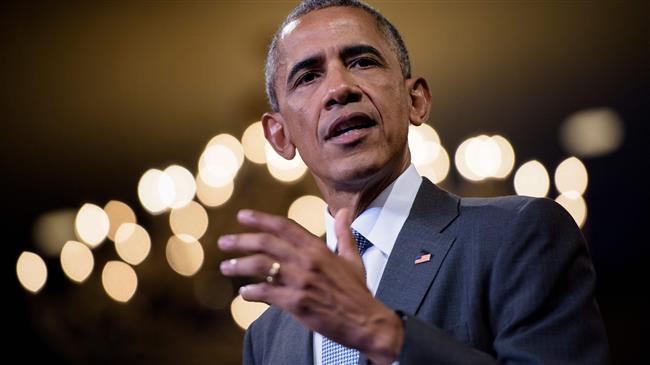
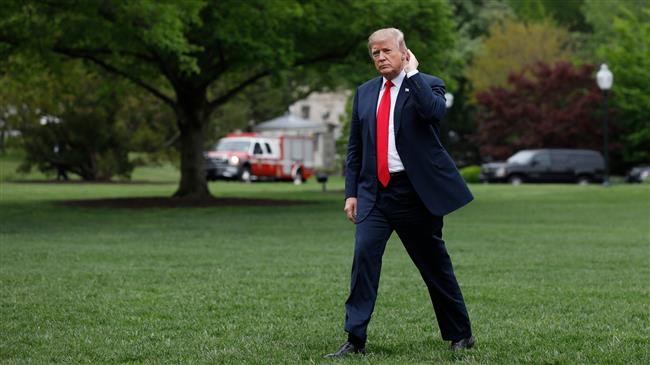
Jonson’s tweet on Tuesday came shortly after Trump announced his decision to withdraw the United States from Iran’s nuclear deal with the world powers and re-impose sanctions against the Islamic Republic.

The announcement came despite massive efforts by the European allies of the US to convince Trump to stay in the 2015 deal, reached between Iran and the P5+1, five permanent members of the UN Security Council – the US, France, Britain, Russia and China – plus Germany.
France, Germany and Britain also released a joint statement in which they announced their commitment to the deal despite Trump’s decision to pull out and his threat of sanctions.
French President Emmanuel Macron, German Chancellor Angela Merkel and British Prime Minister Theresa May expressed “regret and concern” over the decision and called on Iran to “show restraint” in response to Trump’s announcement.

Russia and China, as the other signatories to the JCPOA, have warned against efforts to scrap the landmark accord and pledged to continue to honor their commitments under the deal.
The International Atomic Energy Agency has been monitoring Iran’s compliance with its commitments under the JCPOA and has consistently verified the Islamic Republic’s compliance.
The Islamic Republic has always insisted that its atomic program is merely for peaceful purposes and that the West is using the nuclear case as a pretext to put pressure on Tehran.
Source: Presstv











9, May 2018
Dozens dead as bandits, militia clash in Nigeria 0
Fighting between armed bandits and militiamen left 45 dead in northern Nigeria, police and a local militia said Sunday, amid escalating rural violence often involving cattle rustling, robbery and kidnappings.
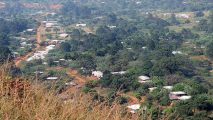
“The 45 bodies were found scattered in the bush. The bandits pursued residents who mobilised to defend the village after overpowering them,” said a vigilante who asked not to be named for fear of reprisals.
“The dead included children abandoned by their parents during the attack” in the village of Gwaska, in Kaduna state.
“The attackers were obviously armed bandits from neighbouring Zamfara state who have been terrorising Birnin Gwari area,” he added.
He could not break down the casualties, saying only: “For now all we know is that 12 people were buried yesterday and 33 today.”
The vigilante said the bandits struck at about 2:30 pm (1330 GMT) Saturday and stayed for three hours before retreating to their base in the forest in Zamfara.
“They burnt down many homes,” he said.
The killings follow the death of 13 people in prolonged clashes between cattle thieves and local civilian militia in Zamfara last week.
The attacks underlined the diversity of Nigeria’s security threats that persist because of an overstretched army and security forces.
Rural communities in Zamfara have been under siege for several years from cattle rustlers and kidnapping gangs, who have raided herding communities, killing, looting and burning homes.
To defend themselves, villages and herdsmen form vigilante groups, but they too are often accused of extra-judicial killings, provoking a bloody cycle of retaliatory attacks.
Adding to the proliferation of violence due to these criminal groups, Nigeria is in the grip of a security crisis as nomadic herders and sedentary farmers fight over land in an increasingly bloody battle for resources.
Nigerian President Muhammadu Buhari has been criticised for failing to curb the violence, which is becoming a key election issue ahead of presidential polls in 2019.
The military and police are fighting Boko Haram jihadists in the north, militants and pirates in the oil-rich south, a simmering separatist movement in the east as well as the bloody conflict between herdsmen and farmers spanning the vast central region.
(AFP)