30, January 2018
Southern Cameroons Crisis: Rising internet shutdowns aimed at ‘silencing dissent’ 0
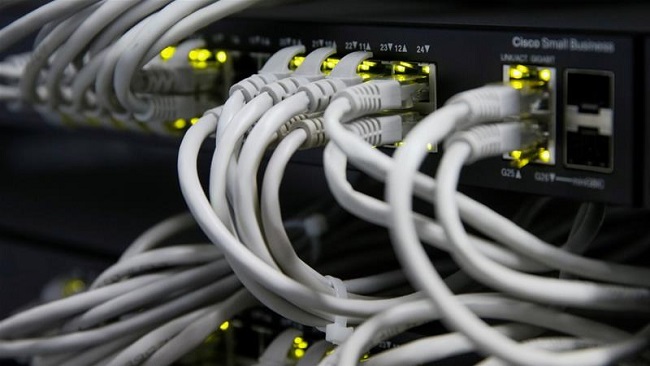
Governments around the world are increasingly shutting down internet access in an apparent attempt to silence discontent and dissent, activists say. In 2017, internet access was cut off more than 80 times around the world, up from 56 times the year before, drawing concerns from digital rights activists.
“We do see this as evidence for a global trend in the wrong direction,” Peter Micek of Access Now told Al Jazeera. One of the countries that have seen several shutdowns in the past year is Cameroon. People in the Anglophone region of the West African nation erupted in protests against the imposition of the French language, which is spoken by the majority of the population.
For four months now, access to social media websites such as Facebook and Twitter and messaging services like WhatsApp has been blocked in the English-speaking parts of the country. The blockage, implemented in early October after protests against the Cameroonian government, was the second shutdown in Anglophone regions in 2017. From January to April, all internet access was cut.
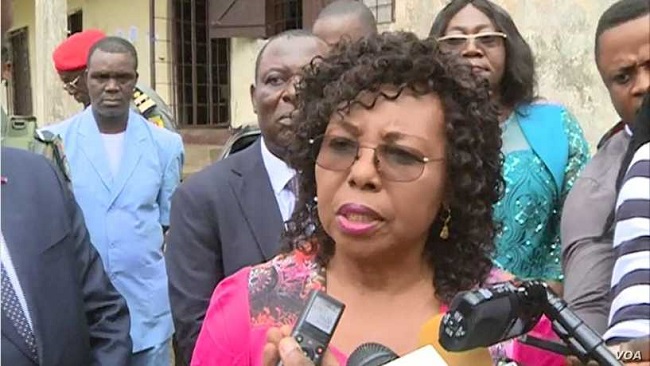
The United Nations, human rights organisations, and even the pope condemned the first shutdown. “Rather than dialogue, the government embarked on a crackdown and shutting down the internet was a way of stopping the world from seeing or hearing about the atrocities being committed and stopping information flow between groups planning peaceful demonstrations and civil disobedience,” Cameroonian human rights activist Judith Nwana told Al Jazeera.
For Nwana, the issue goes further than her home country. According to her, governments that feel threatened can use the internet as another repressive tool, with no consequences. “Every time I hear of an episode of internet shutdown I feel very frustrated. They are becoming more frequent, which reflects the fact that governments know they can get away with it with no repercussions,” she said.
Nwana’s claim that shutdowns are happening more often is backed up by research from the Brookings Institute and Access Now. For people in Iran, the power authorities have over the internet became apparent again in December when protesters took to the streets. Social media and messaging apps were blocked by the government to prevent demonstrators from organising.
Micek from Access Now said internet shutdowns to suppress peaceful demonstrations are a slippery slope. “Edward Snowden sent out a tweet last year which stated that once shutdowns become the norm in places like Cameroon and nobody says anything about it, this type of behaviour tends to spread to other places,” Micek said.
And when a country orders a shutdown of the internet, there is not much that can be done by its citizens, private companies, or the international community.
What can the UN do if your country cuts the internet?
“There should be a way of pressuring or sanctioning the perpetrators so shutdowns can be lifted as soon as possible. Failing that, it should be a case of putting that government to shame and under pressure through media coverage, advocacy and diplomacy,” Nwana said.
Micek said he thinks the only option to get the internet switched back on is to hit blocking countries where it hurts, namely their wallets.
“The International Monetary Fund (IMF) issued a loan of hundreds of millions of dollars to Cameroon, which came shortly after the first shutdown in January 2017. What message does this send when an international finance institution throws treasure at governments that clearly disrespect the rights of its citizens?” Micek said.
“Many institutions just need to quietly express their frustration and put down some real consequences, make the governments feel the pain that the citizens are put through.”
But Cameroonians are not willing to wait for others to intervene, so they have recently taken authorities to the Cameroonian Constitutional and High courts with the help of Access Now and Internet Sans Frontieres.
The lawsuit says Anglophones are being discriminated against since the shutdowns are only happening in English-speaking areas. It also states the ban is in violation of several international human rights charters signed by Cameroon.
“Depriving people of the internet interferes with a range of fundamental human rights,” the lawsuit states, citing the United Nations and the European Court of Human Rights. The case comes several months before the October elections, which may be heavily affected by the closures, according to Nwana.
She is not sure if elections should even take place at all given the current state of the country, she said.
“For successful elections anytime this year in Cameroon, registration, campaigning and dissemination of information should be going on right now. Most people, especially the young who form the larger proportion of the population, get their information via social media,” Nwana said.
“How are elections going to be planned or made possible in those regions with internet restrictions right now?”
Micek agreed that having elections under the current circumstances might not be a good idea, not just for Cameroon, but for any country that shuts down the internet. “When you have an entire population that’s silenced and shut out of political discourse, that’s not a recipe for a healthy and stable democracy.”
Source: Aljazeera














30, January 2018
Africa Cup of Nations 2019: Biya regime’s fate will be decided today 0
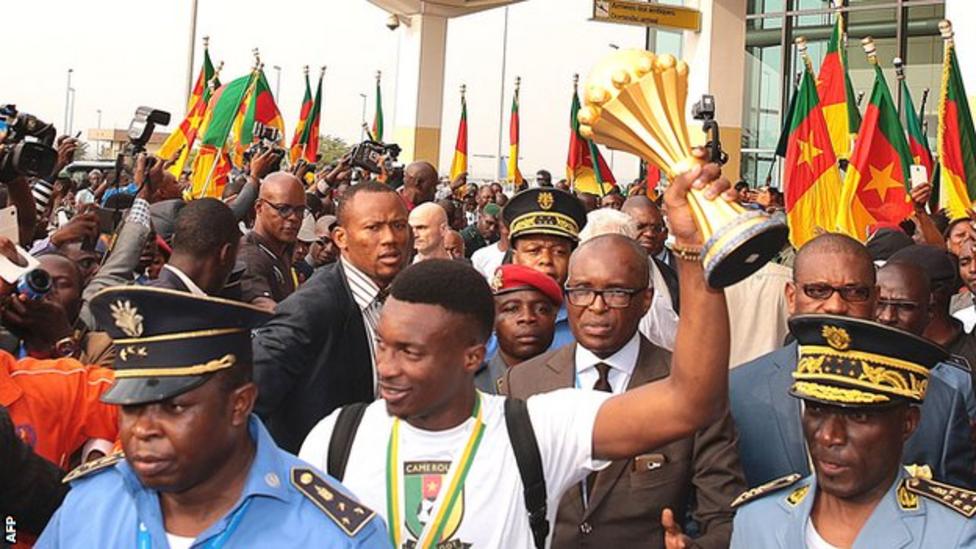
The Confederation of African Football (CAF) will decide the possibility of Cameroon’s hosting the 2019 Africa Cup of Nations on Wednesday, when CAF discusses the country’s preparedness to organize the biannual championship.
CAF’s Business consultancy, Roland Berger, toured the country from January 12 to January 23 January to assess preparations, and the continental football body will on Wednesday discuss his findings.
“An intermediary report will be sent by the inspectors,” CAF Director of Communications, Junior Binyam, said. “That will be part of the Africa Cup of Nations committee agenda on 31 January.”
“The report of the Nations Cup committee meeting is part of the Executive Committee agenda on 1 February.”
CAF will hold a General Assembly the following day in Morocco, which is currently staging the ongoing African Nations Championship (CHAN).
There have been concerns about Cameroon’s preparations ever since CAF President Ahmad said last August that the country would “have work to convince” African football’s rulers that it was ready.
The tournament, which has expanded from 16 to 24 teams since Cameroon won the right to host in 2014, is set to be staged in five different cities – Bafoussam, Douala, Garoua, Limbe and Yaounde.
Having hosted games during the 2016 Women’s Africa Cup of nations, both the stadium in Limbe and the Ahmadou Ahidjo Stadium in Yaounde are largely ready – as is the arena in Bafoussam, which opened in 2016.
The Ahmadou Ahidjo Stadium is one of two arenas set to be used in the Cameroonian capital, with the other – the Paul Biya Stadium in the Olembe area – far from ready.
Source: The Independent