25, May 2026
Iran has no trust in US; frozen assets release red line for any deal 0
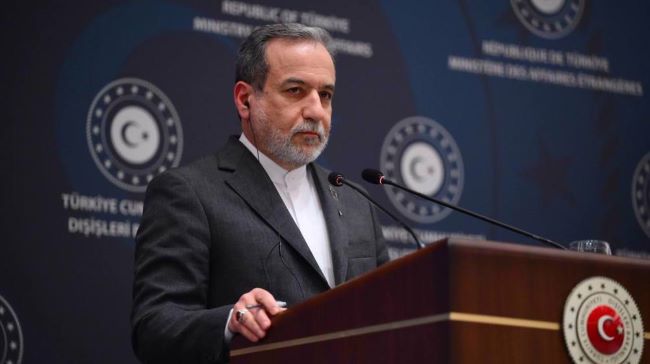
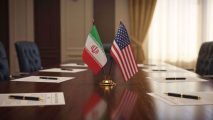
Iran harbors no optimism toward the United States and views any negotiations through a lens of deep mistrust, an informed source told Tasnim News Agency on Sunday, stressing that even if a preliminary understanding is reached, Tehran will not rely on Washington’s commitments.
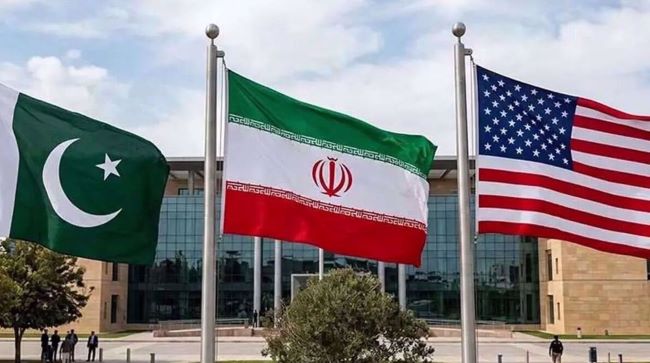
“Iran has no goodwill toward America, and the exchange of messages through the Pakistani mediator is constantly conducted with mistrust of the US government,” the source said.
The source added that no final understanding has been achieved so far, and disagreements persist over certain clauses.
“Even if an initial understanding is reached, it does not mean Iran has changed its view of America or that it trusts the current administration to fulfill its obligations,” the source said.
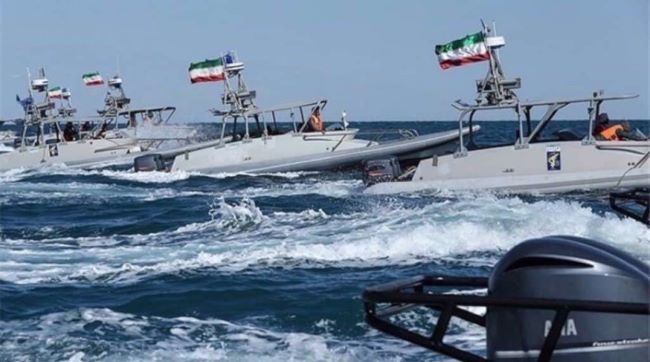
“The Americans have a very bad record in negotiations, which reinforces and entrenches mistrust. Therefore, even if an understanding is reached, Iran will monitor US actions throughout the post‑agreement process. If America breaches its commitments at that stage, Iran will retain its leverage to respond.”
Israeli media report dismissed as false
Another report by Tasnim also rejected an Israeli media report claiming that US officials have said Iran will receive no relief on frozen assets until it begins transferring its enriched uranium stockpiles.
According to Tasnim’s information, such a claim is completely untrue and Iran refuses to link the release of its frozen assets with nuclear material issues.
“Iran insists that part of its frozen assets must be released immediately upon any possible announcement of an understanding, and must be fully accessible to Iran. The bitter past experience of asset releases, which were effectively sabotaged by American procrastination, must not be repeated,” the report said.
The report also stated that Iran has made no commitment regarding the details of the nuclear issue at this stage.
Asset release in the first step has no connection to nuclear material matters.
Moreover, any preliminary understanding must focus exclusively on “ending the war.”
“If the release of frozen assets does not happen, one of Iran’s red lines will have been crossed, and there will be no understanding,” the report emphasized.
The remarks came as US President Donald Trump claimed on Sunday he had told his negotiators not to “rush.”
Source: Presstv













25, May 2026
Pope Leo apologises for Church’s historic role in slavery 0
Pope Leo on Monday issued the clearest apology yet from a pontiff for the Catholic Church’s role in slavery, acknowledging both its delay in condemning the practice and its historic involvement in legitimising it.
In a key passage of his first papal encyclical, Leo said the Church had taken centuries to fully recognise “the scourge of slavery” as incompatible with human dignity, calling the legacy “a wound in Christian memory.”
“For this, in the name of the Church, I sincerely ask for pardon,” he wrote in the wide-ranging manifesto, expressing “deep sorrow” for the suffering endured by enslaved people.
Leo acknowledged that Church authorities had, at times, responded to rulers by regulating and legitimising forms of subjugation, including the enslavement of non-Christians.
He also acknowledged that before that time, in the Middle Ages, ecclesiastical institutions had their own slaves.
He said the Church only reached a “formal, absolute and universal condemnation” of slavery in the 19th century, under Pope Leo XIII, after what the current pope described as a long period of inconsistency in teaching and practice.
PREVIOUS PAPAL STATEMENTS ON SLAVERY
The remarks mark the most explicit papal admission to date of institutional responsibility, going beyond earlier statements by previous popes that focused on the actions of individual Christians rather than the Vatican itself.
Pope John Paul II, during a 1985 visit to Africa, asked forgiveness from Africans for the suffering caused by “men belonging to Christian nations” in the slave trade.
Leo’s predecessor Francis condemned the plight of modern-day slaves and formally repudiated papal documents from the 15th century which were used by colonial powers to give legitimacy to their actions, which included slavery.
But such statements stopped short of directly addressing the role of the papacy, instead framing responsibility in broader terms tied to Christians or historical circumstances.
Leo’s intervention was made in his debut encyclical, “Magnifica Humanitas” (Magnificent Humanity), which addresses the ethical challenges of artificial intelligence and warns of new forms of exploitation linked to the global economy.
Genealogical research published after Leo’s election last year showed that history’s first U.S.-born pope had a diverse ancestry that included both enslaved people and slaveholders.
Source: Reuters