1, April 2021
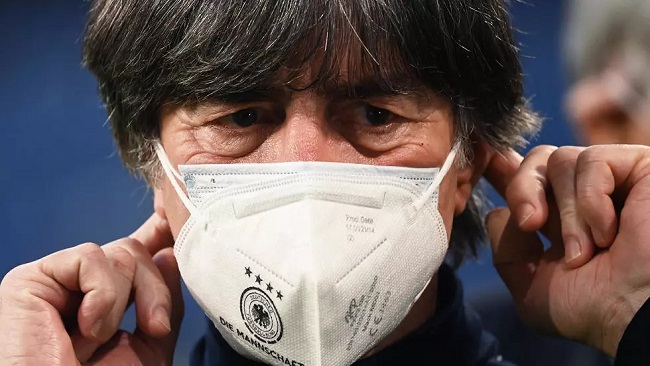
Bundes Fußball: Loew faces calls to go now after lose to North Macedonia 0
Four-time World Cup winners Germany’s defeat to North Macedonia sparked calls on Thursday for coach Joachim Loew to stand down instead of waiting till after this summer’s European Championship.
Goran Pandev had put North Macedonia ahead in Wednesday’s 2022 World Cup qualifier just before half-time and although Ilkay Gundogan equalised from the penalty spot early in the second half, the minnows snatched victory when Eljif Elmas scored a late winner in Duisburg.
Loew, who led Germany to glory at the 2014 World Cup but has suffered a string of poor results almost ever since, had announced last month that he will stand down after Euro 2020.
Bild, Germany’s most-read newspaper, said that decision should be reversed after the loss to the world’s 65th-ranked team.
“It’s over Jogi,” it said in its headline. “The magic that Loew conjured up during the World Cup (in 2014) has unfortunately disappeared. His achievements for German football cannot be questioned but his time has gone,” the paper said.
Loew has tried to forge a young new team without veteran stars such as Thomas Mueller and Jerome Boateng that he discarded after early Germany’s early elimination from the 2018 World Cup in Russia.
Kicker magazine said the rebuilding project was not working.
“This newly formed German national team is still looking for direction and trying to find its way… both in the players’ legs and heads,” it said.
Kicker said Loew’s explanation that his players were “tired” simply “does not stand up… against opponents of that level”.
And Sport1 website said the team had “dishonoured itself”, and was particularly critical of Chelsea forward Timo Werner who missed an open goal.
“Some players are not reaching their usual level,” the website said.
The performance will only add fuel to the argument that 31-year-old Mueller, who is again in good form this season after leading Bayern Munich to victory in the 2020 Champions League, be recalled for the Euro finals this summer when Germany face a tough first-round group of reigning champions Portugal, World Cup holders France and Hungary.
The loudest calls came from Uli Hoeness, Bayern’s honorary president.
“Mueller should be in the team, he can still score goals and he can help any team in the world to get out of difficult situations,” Hoeness said.
Loew meanwhile insisted he had not lost faith in his team for the Euro — and he urged Germans not to either. “We must not lose belief,” Loew said. “In the coming days and weeks we will check over everything once again.”
Source: AFP







2, April 2021
US Department of State releases 2020 Country Reports on Human Rights Practices in Cameroon 0
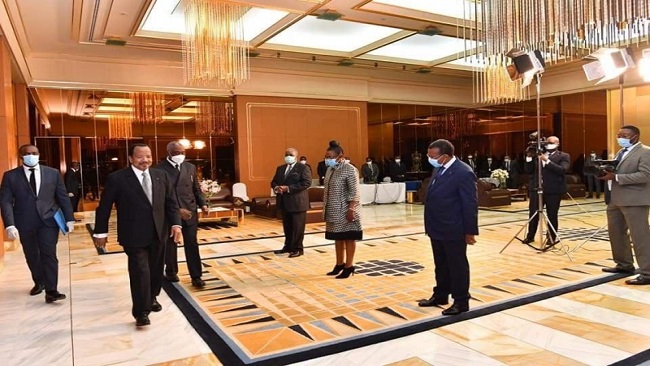
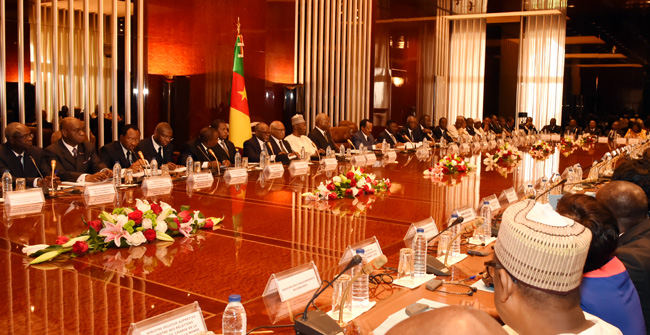
Cameroon is a republic dominated by a strong presidency. The president retains power over the legislative and judicial branches of government. The ruling political party, the Cameroon People’s Democratic Movement, has remained in power since its creation in 1985. The country held legislative elections on February 9, which were marked by irregularities. The ruling party won 152 of 180 National Assembly seats. Paul Biya has served as president since 1982. He was last reelected in 2018 in an election marked with irregularities.
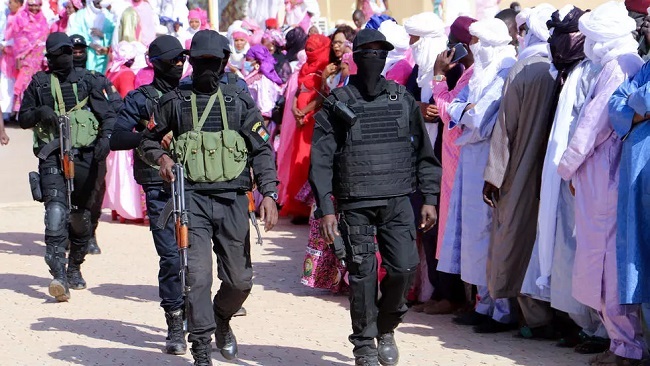
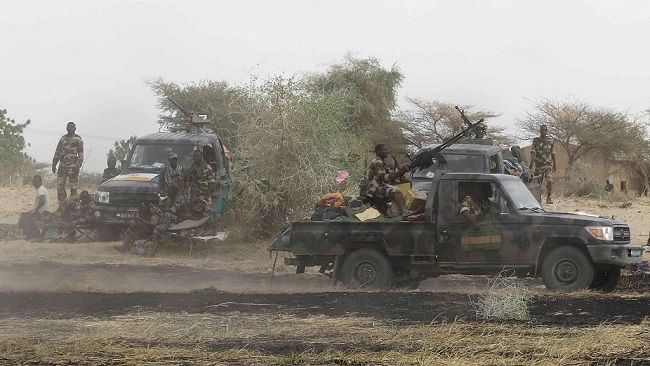
The national police and the national gendarmerie are responsible for internal security. The former reports to the General Delegation of National Security and the latter to the Secretariat of State for Defense in charge of the Gendarmerie. The army is primarily responsible for external security and shares some domestic security responsibilities; it reports to the minister delegate at the presidency in charge of defense. The Rapid Intervention Battalion reports directly to the president. Civilian authorities at times did not maintain control over security forces. Members of security forces committed numerous abuses.
In July jailed separatist leader Julius Sisiku Ayuk Tabe announced he talked with the government regarding the prospects for peace in the Anglophone regions. The government, however, denied Ayuk Tabe’s announcement, and other separatists opposed the talks. Cameroon Renaissance Movement president Maurice Kamto urged Cameroonians to stage nationwide peaceful protests on September 22 to demand a resolution to the crisis in the Anglophone regions and for electoral reform before the December 6 regional elections. Hundreds of protesters were arrested, including journalists, and Kamto was placed under unofficial house arrest.
Significant human rights issues included: unlawful or arbitrary killings, including extrajudicial killings by security forces, armed Anglophone separatists, Boko Haram, and ISIS-West Africa; forced disappearances by security forces; torture and cases of cruel, inhuman, or degrading treatment or punishment by the government, Cameroonian peacekeepers deployed to UN missions, and nonstate armed groups; harsh and life-threatening prison conditions; arbitrary arrests; political prisoners or detainees; politically motivated reprisal against individuals located outside the country; serious problems with the independence of the judiciary; arbitrary or unlawful interference with privacy; serious restrictions on freedom of expression, the press, and the internet, including violence, threats of violence, or unjustified arrests or prosecutions against journalists, censorship, and criminal libel laws; substantial interference with the right of peaceful assembly and freedom of association; serious restrictions on freedom of movement; inability of citizens to change their government peacefully through free and fair elections; restrictions on political participation; serious acts of corruption; lack of investigations and accountability for violence against women; unlawful recruitment or use of child soldiers; trafficking in persons; crimes involving violence or threats of violence targeting lesbian, gay, bisexual, transgender, or intersex persons; and the existence or use of laws criminalizing same-sex sexual conduct between adults.
Although the government took steps to identify, investigate, prosecute, and punish officials who committed human rights abuses, it did not do so systematically and rarely made the proceedings public. Some offenders continued to act with impunity.
Culled from U.S. Department of State