24, March 2022
Cameroon: In the grip of multiple crises 0
Cameroon has known so many challenges, such as meningitis and terrorist attacks in the north and a civil war that has sent many civilians and soldiers to an early grave in the two English-speaking regions of the country, but by some miracle, the country is still standing on one leg.
Despite the massive and destructive corruption that has become a way of life in the country, many Cameroonians are still hopeful that there is light at the end of the tunnel, but many analysts hold that the light at the end of the tunnel may be that of an oncoming train that might kill many people. Dark clouds have been gathering over the country over the last ten years, but by some stroke of luck, a rainbow always appeared to instill hope in the people.
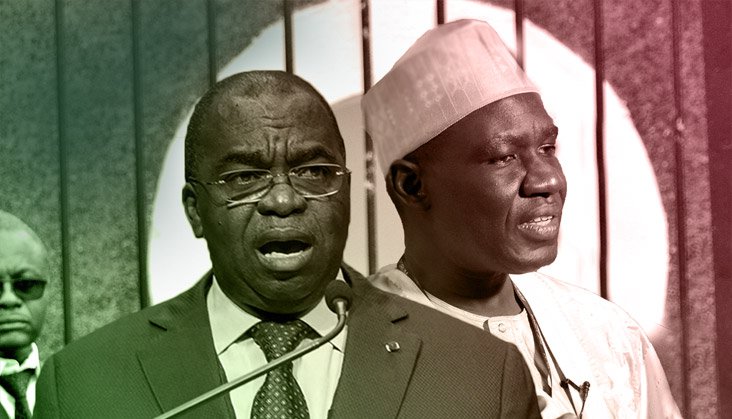
Cameroonians are running on hope. The escalation of food prices and the fear of a popular revolt across the country are causing the Biya regime to lose sleep while many Cameroonians seek avenues of leaving the country.
Hope alone will not enable them to meet their basic needs. Cameroonians believe that the country will not avoid a man-made disaster manufactured by a government that is deaf and dumb because one person must die in power.
The government has been dealing with a lot, but 2022 may be bearing very bad news for the regime which is on its last leg. Teachers across the country have dropped their chalk and will not be returning to the classroom if their grievances are not met.
Their students have been calling on the kleptocratic and gerontocratic government to pay their teachers so that they can return to school. Their place is in the classroom and not on the streets.

But the plea seems to be falling on deaf ears. The government is cash-strapped, and its creditors are tired of bailing it out in unfortunate circumstances created by inefficiency and corruption.
Many of the teachers have been working for more than a decade without a salary and some who have retired have gone for close to two decades without a pension. The old ones are all sick but cannot get the medical care they need due to poverty.
The Cameroon public service is a maze that is replete with many processes and procedures that only those manning the systems understand them. Many Cameroonian retirees die shortly after retirement because of abject poverty and when they are sick, they never know who to turn to for care.
The medical system itself is inefficient and it has become a marketplace wherein only the rich can be attended to. Many Cameroonians are dying in silence. Stress-related diabetes and hypertension are taking their toll on many people across the country.
Kidney failure is now rampant among youths, and this has become a cause for concern. Stress is crippling their bodies, especially as many see no hope in the future. Unemployment has attained epidemic proportions and the aging government is at its wit’s end. A once effective healthcare system has been reduced to a graveyard for those who lack the financial resources to head out of the country.
The country’s healthcare system is replete with scandals which never get investigated. The government simply does not care. The country’s officials and their families seek healthcare abroad and are blissfully oblivious of what is happening the country’s hospitals.
The scandals in Cameroon’s healthcare system have made it hard for Cameroonians to trust their own medical doctors. The doctors who took the Oath of Hippocrates to serve humanity have become self-serving, making it hard for patients to trust the people who are supposed to save them when they are facing health challenges. The country’s hospitals have become consultation clinics, with poorly trained doctors playing God.
Even the corrupt police officers are threatening to join the teachers’ strike if the government does not find appropriate solutions to their sorry plight. Many are sick and tired of harassing ordinary citizens for little bribes. They have lost their dignity and they hope a good salary can help them regain their lost dignity and respect.

The government is trying to ensure that the police does not throw itself into the mix, as this may spell the end of a corrupt regime that is living on borrowed time.
The military is also grumbling and if it becomes part of the equation, then things will unravel very fast. Corruption has overwhelmed even those who designed the system. The government must tread very carefully if it does not want to deal with a nation-wide uprising.
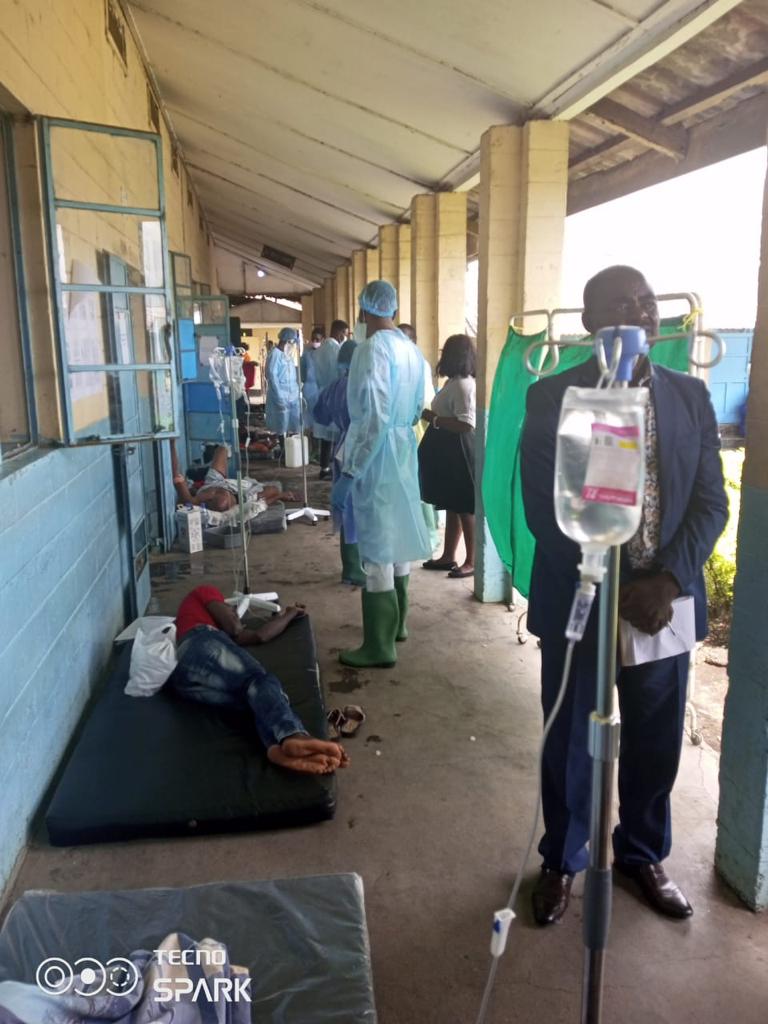
Things are really falling apart. Cameroonians are looking forward to the day things will be different. They have been hopeful for decades, but that hope is fast dwindling, especially as the country is in the grip of a cholera epidemic. The epidemic is spreading like wildfire, hitting the entire Southwest region and parts of the Littoral region like a ton of bricks.
Limbe, Buea, Tiko, Njombe and Penja have all been caught up in the battle and some deaths have already been reported. Not even Yaoundé, the country’s capital, has been spared. Many neighborhoods in the capital have gone without water for years and this is responsible for the numerous water-borne diseases which have killed many residents of Yaoundé.
The end seems to be near. Things are falling apart and if care is not taken, Cameroon could be caught up in a pretty mess, especially as the level of political and economic frustration is very high.
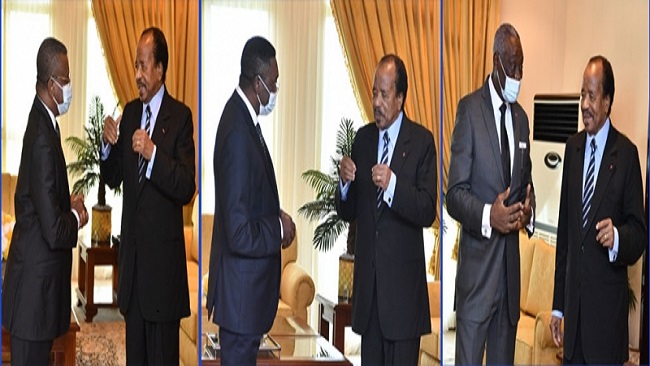
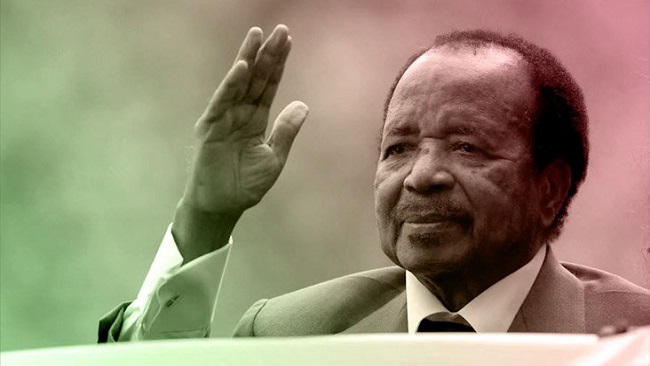
If the government must preempt chaos in the country, it must adopt new ways. The current governance methods have failed Cameroonians. They have inflicted a lot of pain on many citizens and the greatest expectation for most Cameroonians is a change of government, especially as the current president, Paul Biya, who is 90 years old, is physically and mentally declining.
He is now more than a museum piece. His health is fast failing. His last outing during the African Nations Cup clearly tells the world that he is gradually expiring. But will his expiration imply a change of direction in Cameroon? Only his successor will answer that question.
By Soter Tarh Agbaw-Ebai



















24, March 2022
Global diplomatic community remembers Madeleine Albright, dead at 84 0
Tributes poured in Wednesday from diplomatic players around the world remembering Madeleine Albright, the first female US secretary of state and one of the most influential stateswomen of her generation, who has died at age 84.
Albright, who came to the United States as an 11-year-old political refugee, rose to serve as the country’s top diplomat under president Bill Clinton from 1997 to 2001.
Clinton, as well as successors George W. Bush, Barack Obama and Joe Biden, hailed her historic service.
Albright “paved the way for progress in some of the most unstable corners of the world, and was a champion for democratic values. And as an immigrant herself, she brought a unique and important perspective to her trailblazing career,” Obama said in a statement.
Born in Prague in 1937, Albright’s family — who were Jewish, although she did not know of her heritage until later in life — fled ahead of the Nazi invasion of Czechoslovakia in 1939, losing several family members to extermination camps. She moved first to England, then to America a decade later.
“A Czechoslovak born leader, a strong advocate for democracy & human rights. Today more than ever, Central Europe remembers her commitment to NATO enlargement. My heartfelt condolences to her family,” the Czech Republic’s Foreign Minister Jan Lipavsky said on Twitter.
In a statement, Albright’s family said she died of cancer, “surrounded by family and friends,” and paid tribute to “a loving mother, grandmother, sister and friend” as well as a “tireless champion of democracy and human rights.”
‘Trailblazer’
After studying political science, Albright made her entry into politics as a fund raiser, then a congressional aide — and entered president Jimmy Carter’s administration working for Polish-American Zbigniew Brzezinski, who was Carter’s national security advisor.
Polish President Andrzej Duda wrote on Twitter that he was saddened by the death of Albright, who “brought enormous contribution to the transatlantic community of security and of values, including to the accession of Poland and of other European countries to NATO.”
The United Nations, where Albright had served as US ambassador from 1993 to 1997, held a moment of silence for her.
Secretary General Antonio Guterres said he worked with Albright for years both in and out of government and will remember her as a dear friend.
“I was always struck by her wise counsel, deep experience, unique insights, abiding humanity, warmth and wit,” Guterres said in a statement.
“Her life is powerful testament to the invaluable contributions refugees bring to countries that welcome them,” Guterres added.
Albright — whose global influence at the height of her career was compared to that of Margaret Thatcher in Britain — knew she was part of a new generation of women in public service.
“It used to be that the only way a woman could truly make her foreign policy views felt was by marrying a diplomat and then pouring tea on an offending ambassador’s lap,” Albright once said.
“Today, women are engaged in every facet of global affairs.”
At her former department, of which she became the head in 1997, spokesman Ned Price remembered Albright as “a trailblazer as the first female secretary of state and quite literally opened doors for a large elements of our workforce.”
“I know there are many people in this building who are grieving and who will be grieving today,” he added.
Source: AFP