
23, April 2018
US gov’t says Cameroon forces in gross abuse over Anglophone, Boko Haram crisis 0
Cameroon security forces have been cited as engaging in significant human rights abuse in respect of armed combat they are engaged in across three regions of the country, a United States government report has said.
The Central African nation is beset by Boko Haram insurgency in its Far North region whiles the Anglophone crisis continues to pose a security challenge to the government in the Northwest and Southwest i.e. Anglophone regions.
According to the U.S. Department of State’s Country Report on Human Rights Practices 2017, the military, police and gendarmerie – paramilitary – forces were using among others arbitrary killings, forced disappearances and prolonged military / unofficial detentions in the three regions.
In its Executive Summary relating to the country, the report said: “The most significant human rights issues included: arbitrary and unlawful killings through excessive use of force by security forces; disappearances by security forces and Boko Haram.”
It went on to mention: “torture and abuse by security forces including in military and unofficial detention facilities; prolonged arbitrary detentions including of suspected Boko Haram supporters and individuals in the Anglophone regions.”
Then there was the issue of “harsh and life threatening prison conditions; violations of freedoms of expression and assembly; periodic government restrictions on access to the internet; trafficking in persons; criminalization and arrest of individuals engaged in consensual same-sex sexual conduct; and violations of workers’ rights.”
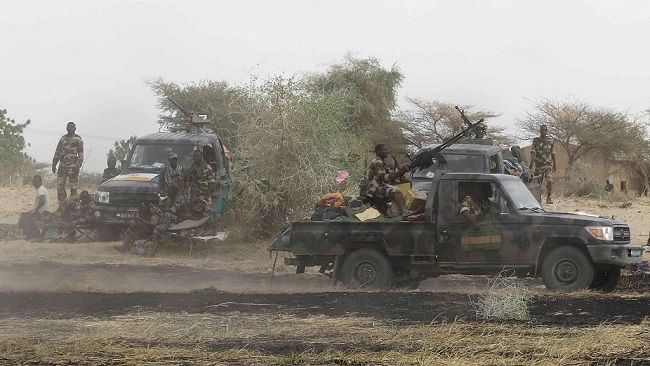
The government has deployed a military unit the BIR, which continues to engage with Boko Haram insurgents in the Far North region. Communities in the region have been attacked mostly by suicide bombers and raids by the group.
Over in the Anglophone region, guerilla style attacks on security forces by suspected separatists under the so-called Ambazonia republic banner has led to the formation of a new military unit headquartered in the capital of the northwest region, Bamenda.
There has been a sustained call for dialogue to solve the crisis even though the government has insisted that it will only engage with persons with the unity of the nation at heart.
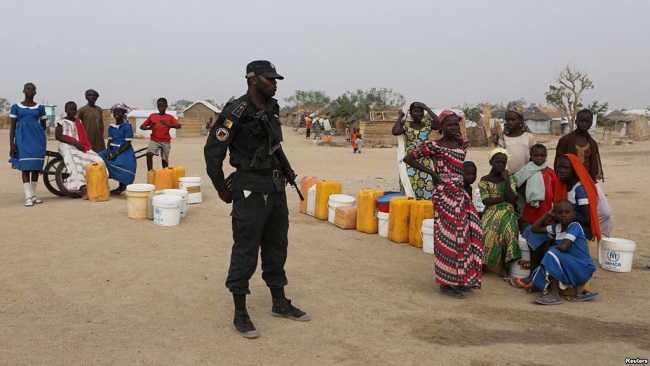
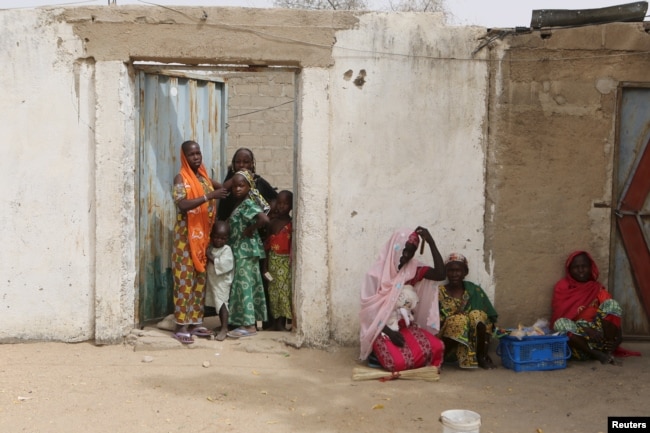
Separatists have killed over 20 security forces, locals have fled their homes for fear of being caught in the cross fire with thousands now seeking asylum in neighbouring Nigeria.
Source: Africa News


















23, April 2018
Eleven asylum-seekers dead, 263 rescued off Libya coast 0
Eleven asylum-seekers have died at sea and another 263 rescued by the Libyan coast guard off the country’s western coast.
Libya’s Navy spokesman, General Ayoub Kacem, said in a statement on Sunday that the coast guard found the asylum-seekers in two separate operations.
In the first operation, the coast guard found 11 bodies and 83 survivors off the town of Sabratha, while in the second op 180 asylum-seekers on two inflatable boats were rescued near the town of Zliten, according to the spokesman.
The perilous journey across the Mediterranean Sea – from Libya to Italy – is one of the routes taken by asylum-seekers trying to reach Europe.
During past years, Libya’s coast guard has been financed, equipped and trained by Europeans to stop the flow of immigration to Europe by cutting migrant boats off before they can reach international vessels.
Hundreds of thousands of asylum-seekers have crossed over to Europe despite its dangers and hardships; many have perished at sea, some have fallen prey to slave-traders in Libya and a faction have returned to their countries of origin.
Eritreans, Tunisians and Pakistanis constitute the three largest groups attempting the hazardous voyage across the Mediterranean to Italy from North Africa. Twelve Pakistani asylum-seekers drowned trying to cross the Mediterranean Sea in February.
More than 600,000 asylum-seekers have made the journey from Libya to Italy during the past four years.
In November 2017, the United Nations migration agency said more than 33,000 refugees had died at sea while trying to reach European shores since 2000, making the Mediterranean “by far the world’s deadliest border.”
Source: Presstv