7, March 2021
Southern Cameroons War: EU waiting for Biden, Paris steps up pressure, a US strike possible 0
After the Vatican made its voice heard, Paris has reminded the Cameroonian government of its concerns about the continuing crisis in the English-speaking provinces. European Union states hope that the new US administration, which purports to put human rights at the heart of its foreign policy, will come to their help, reports Africa Intelligence.
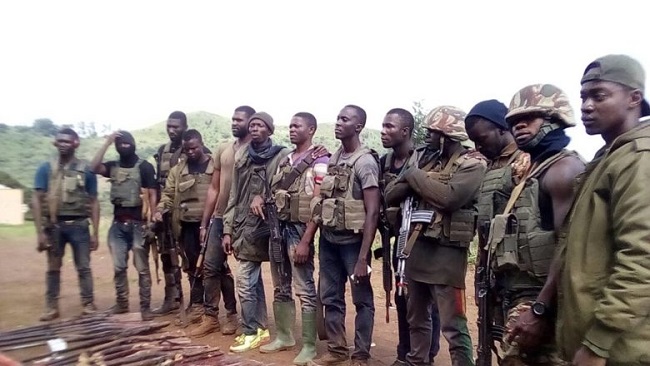
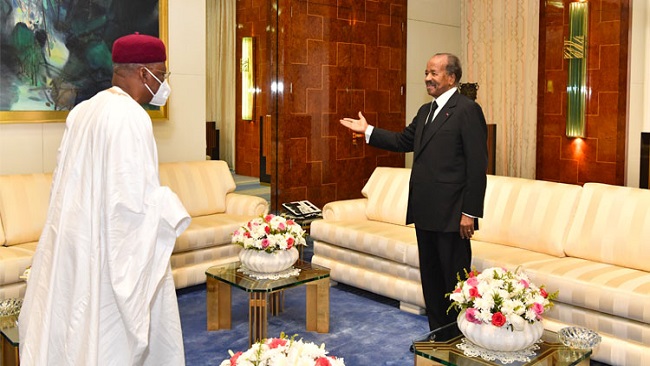
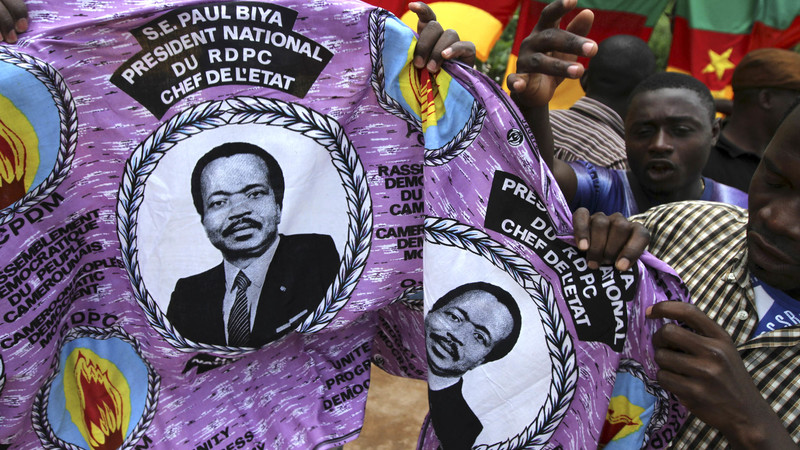
Four years ago, the country’s president, Paul Biya, erroneously declared war on the country’s English-speaking minority which was simply demonstrating to bring its sorry plight to the attention of the government and the international community and what the 88 year-old dictator and his collaborators thought would be wrapped up in a week has now lasted four years with more than 7,000 young Cameroonians already sent to an early grave in a war that has no raison d’etre.
As the Francophone dominated government, its militia and Ambazonia fighters have transformed the country into an open air killing field, the country’s economy has taken a nosedive, with millions of Cameroonians seeking employment and thousands losing their jobs in the country’s two English-speaking regions where the killings are going on unabated.
The number of internally displaced person has continued to swell, while millions have fled to neighboring Nigeria where they are living rough and waiting for the fighting to end for them to return to their country, though their homes have been razed by government soldiers who are wont to inflicting collective punishment on the population each time an army soldier is killed.
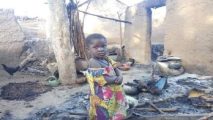
The roasting of a baby on February 11, 2021 in Batibo in the North West region of Cameroon seems to be shocking to millions around the world, but very few people remember that the burning of homes during an insurrection or insurgency in Cameroon is a government policy which dates back to the days of the marquisard movement in East Cameroon.
The burning of a baby in Batibo on the country’s Youth Day by government army soldiers is a clear reminder that peace and stability are still illusory in Cameroon though the government is giving the impression that things are stabilizing in Southern Cameroons.
The roasting of vulnerable people is nothing new during this conflict that has already sent more than 7,000 Cameroonians to an early grave.
Kwakwa and Ngarbuh are still fresh in many minds. In Kwakwa, an old woman and a sick old man were roasted alive by army soldiers who are supposed to protect innocent civilians.
In Ngarbuh, government troops gunned down scores of people and set homes ablaze, leaving many calcinated in their homes. These were young children and pregnant women who had nothing to do with the insurgency that has been playing out in the two English-speaking regions of Cameroon for over four years.
The Biya Francophone Beti Ewondo regime clearly holds that burning the homes of the poor and innocent people will cause the population to discontinue its support to the insurgents even when it has not been really proven that the population is supporting the fighters.
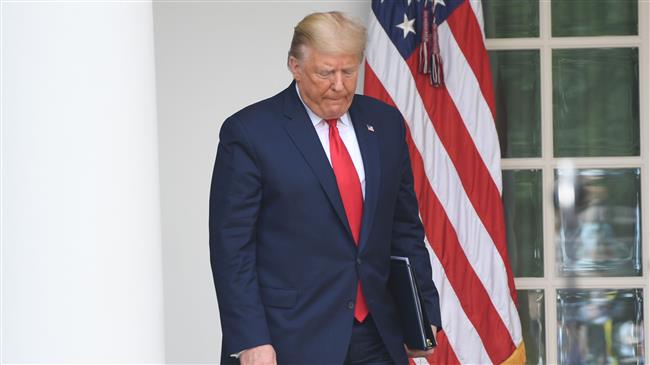
We of the Cameroon Concord News Group believe and fervently too that US President Joe Biden is now left with no other option on the table than a military strike against Yaoundé.
By Chi Prudence Asong



8, March 2021
Southern Cameroons Crisis: Canadian House of Commons weighs in, says there is no end to hostilities in sight.” 0
On 16 February 2021, the Subcommittee on International Human Rights of the House of Commons Standing Committee on Foreign Affairs and International Development (the Subcommittee) heard from witnesses who gave members an update on the conflict between the Government of Cameroon and the English speaking regions of the Republic of Cameroon that has been escalating since 2016.
The Subcommittee last held a meeting on this topic on 13 June 2019. Its subsequent news release shed light on a host of human rights violations in the country perpetrated by the Cameroonian government. The Subcommittee concluded that since the root causes of the crisis continue to be ignored, “there is no end to hostilities in sight.”
Tragically, the situation in Cameroon has not improved. As summarized by one witness:
In the northwest and southwest regions, it is nothing short of an atrocity situation, consisting of widespread and systematic crimes against humanity against the civilian population and serious violations of international humanitarian law or the laws of war against civilians as protected persons, amounting to war crimes.
Witnesses, including an academic and people with regional experience, shared horrific stories of mass killings, forced disappearances, torture, burning and the worst forms of sexual violence. Since 2017, more than 700,000 civilians have been forcibly displaced from their homes, with over 60,000 refugees fleeing to neighbouring Nigeria.
The Subcommittee is particularly worried about the impact of this conflict on children in primarily English-speaking regions of the country. Not only are they witnessing the violence, but they are subject to it and concerns were raised that they are being recruited as child soldiers. Witnesses reported that between 800,000 and 1.1 million children have been out of school since 2017.
Witnesses lamented the fact that this is a neglected crisis. The international community cannot continue to stand idly by while atrocities in Cameroon continue unabated. The Subcommittee shares the view of witnesses that the situation needs urgent attention – with no end to the conflict in sight, Cameroon’s divisions are becoming increasingly entrenched.
The Subcommittee agrees with witnesses that, as a member the Commonwealth of Nations and the Francophonie alongside Cameroon, Canada could play a stronger role in helping to end this crisis. As such, the Subcommittee shares the view that the Government of Canada should rally allies through multilateral organizations to call for an immediate ceasefire and end to hostilities. It should mount an international campaign pressuring the Government of Cameroon to allow the establishment of an independent fact-finding commission of inquiry to investigate the conflict, including the atrocities and its root causes. The Government of Canada should also consider, alongside international allies, sanctioning those responsible for atrocities and severe human rights violations through the Justice for Victims of Corrupt Foreign Officials Act (Sergei Magnitsky Law).