
8, September 2026
Douala spends CFA7 billion on waste but 900 tons still go uncollected each day 0
Douala has budgeted CFA7 billion for waste management in 2026, yet an estimated 900 tons of household garbage still go uncollected each day, underscoring the limits of a new appeal for residents to package their waste in sealed bags.
The Douala City Council (CUD) urged residents on September 2 to place household waste in properly sealed garbage bags before taking it to designated disposal points. The city says the practice makes collection easier, prevents garbage from spreading through streets and helps protect the urban environment.
The recommendation is simple, but it comes with a direct cost for households: garbage bags have to be purchased. For families that generate waste every day, regular use represents another recurring household expense. The burden can vary considerably depending on household size, the volume of waste produced and the type of bags purchased.
Some households still use repurposed packaging, buckets or other containers to store waste before disposal, reflecting the different financial circumstances of residents across the city.
The larger challenge, however, extends well beyond the price of a garbage bag.
Douala generates about 2,700 tons of household waste every day, according to figures from the city council. Waste management company Hysacam says it collects about 1,800 tons daily, or close to 70% of the estimated total. That leaves roughly 900 tons outside the collection system each day.
Accessibility problems in some neighborhoods, along with constraints in pre-collection and transportation, further complicate waste management.
Properly sealed bags can make a difference. They prevent some garbage from scattering, reduce certain nuisances and make waste easier for collection workers to handle. They can also help keep garbage out of drainage channels, an important concern in a city that regularly faces flooding.
But packaging is only one step. It works only if an effective collection system takes over afterward.
Household Costs Meet Collection Constraints
For residents, regular use of dedicated garbage bags means an additional expense whose size depends on the household and the amount of waste it generates. The issue is not whether bags are useful: properly packaged garbage is clearly easier to handle than waste dumped directly onto the ground.
The challenge is to make the practice accessible to as many households as possible without imposing a disproportionate burden on lower-income residents.
Garbage bags also cannot substitute for collection. A sealed bag left on a sidewalk, vacant lot or beside a drain remains improperly managed waste. Packaging only works when households have appropriate disposal points and the waste is subsequently collected.
Douala’s waste management chain involves several stages, from household storage to pre-collection, collection, transportation, transfer and treatment. A breakdown at any stage can weaken the entire system.
In hard-to-reach neighborhoods, pre-collection helps move garbage toward the main collection network. Elsewhere, the frequency of garbage truck services and the availability of suitable disposal points largely determine whether the system works effectively.
That means urban sanitation cannot depend solely on residents’ behavior. Households have a role to play by avoiding illegal dumping, following designated disposal locations and schedules, properly packaging waste and keeping garbage out of public spaces.
But individual efforts also depend on a functioning public service. Suitable bins, accessible collection points, organized pre-collection services and regular waste removal remain essential.
CFA7 Billion for Waste Management in 2026
Waste management also represents a substantial expense for the city. Douala has allocated CFA7 billion to garbage management in its 2026 budget.
The city government has also announced CFA100 million for district councils. The funding is intended in part to help associations and small and medium-sized businesses acquire garbage bins and bags for pre-collection services that move household waste to collection points.
Those figures put the household garbage bag into a broader financial context. The bag itself represents only a small part of a system that requires spending on equipment, workers, fuel, vehicles, maintenance, transportation and treatment.
Poorly managed waste also carries indirect costs through clogged drains, unsanitary neighborhoods, disruption for residents and additional cleanup operations.
The CUD’s appeal therefore highlights the role households can play in keeping Douala clean, but garbage bags alone cannot address the scale of the city’s waste challenge. Their usefulness ultimately depends on what happens before and after households use them: residents’ practices, pre-collection services, accessible disposal points, regular collection and the resources available to remove and process the waste.
The question for Douala is therefore not simply whether residents can put their garbage in bags, but whether the city’s waste system can ensure those bags ultimately reach their proper destination.
Source: Sbbc

























9, September 2026
Club 40 Solidarity Antwerpen celebrates 5th Anniversary, reaches out to widows affected by Anglophone Crisis 0
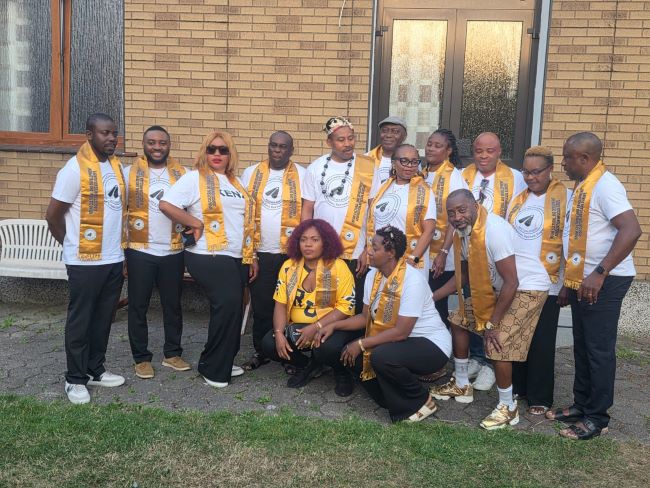
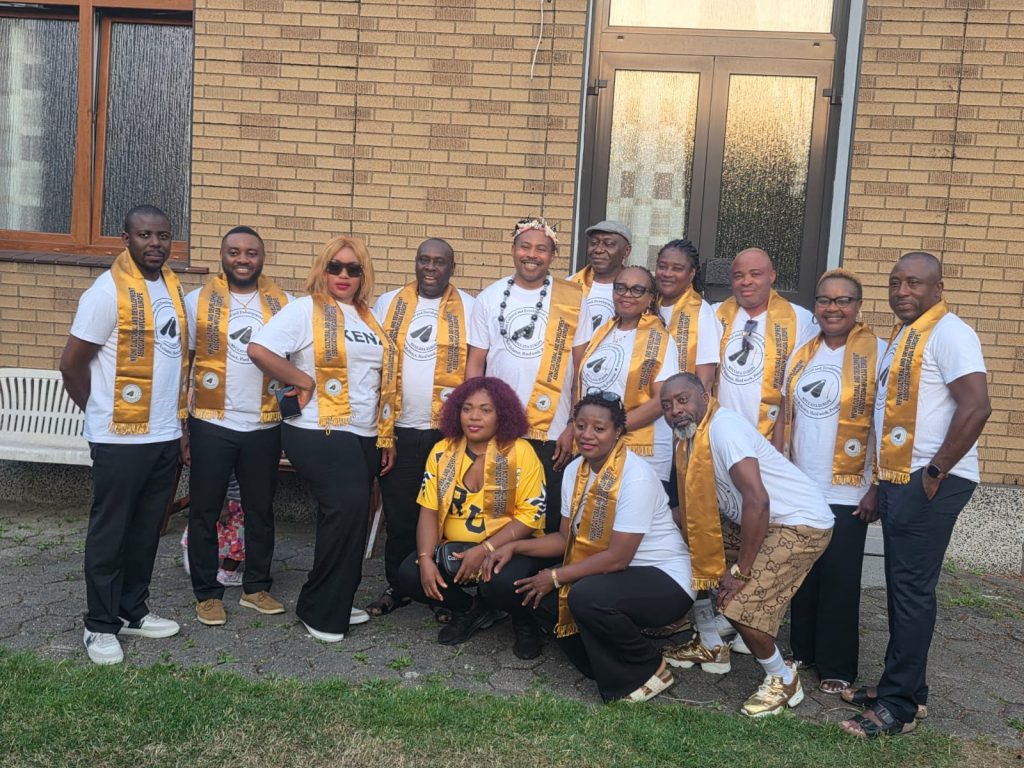
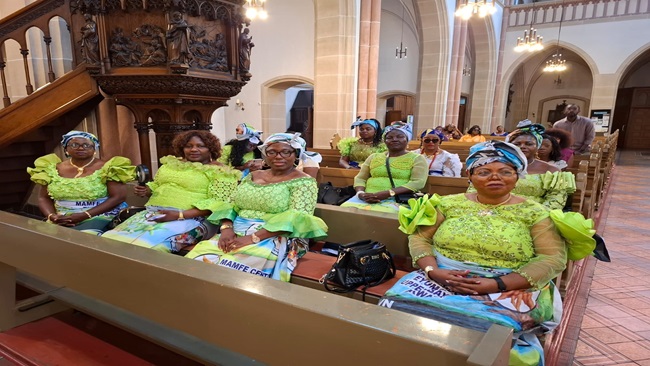
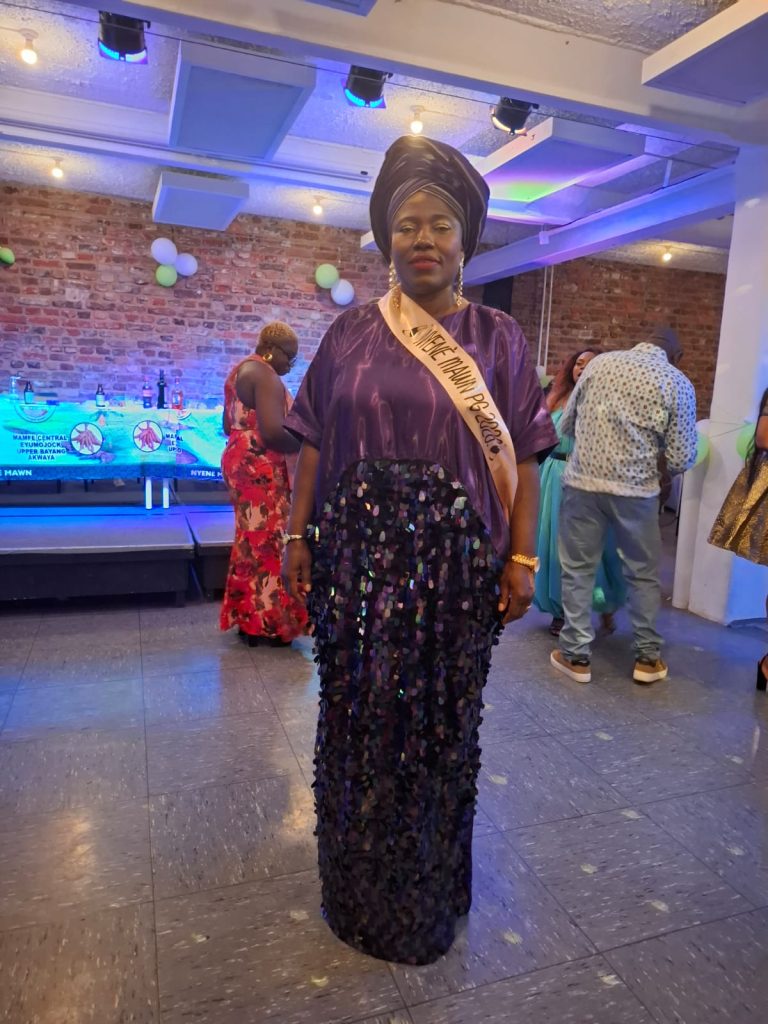
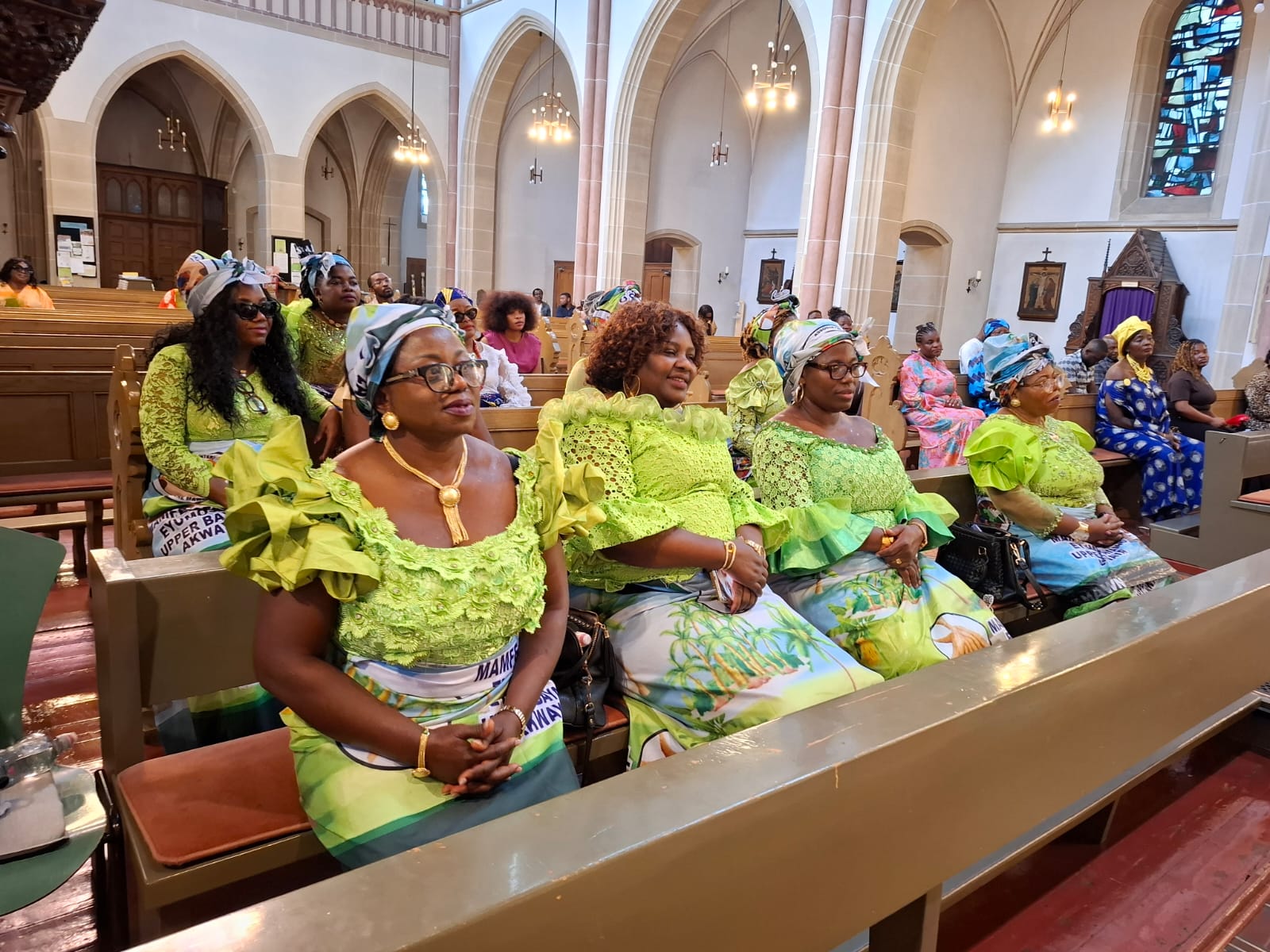
Club 40 Solidarity Antwerpen, a Cameroonian women’s organisation dedicated to fostering unity, cooperation and solidarity among Cameroonian women living in Antwerpen, is set to celebrate five years of existence with a special fundraising gala night on Saturday, September 12, 2026.
The anniversary celebration, which will take place at Kerkhofstraatblommenstraat 1, 2170 Antwerpen, beginning at 8:00 p.m., is expected to bring together Cameroonians, Africans, friends and well-wishers for an evening of entertainment, fellowship and humanitarian solidarity.
What makes this year’s celebration particularly significant is the decision by Club 40 Solidarity Antwerpen to use the occasion not only to celebrate its remarkable five-year journey, but also to raise funds to support widows affected by the ongoing crisis in the Anglophone regions of Cameroon.
The initiative is a commendable demonstration of compassion and social responsibility. At a time when many families in conflict-affected communities continue to struggle with loss, displacement and economic hardship, remembering widows and vulnerable families is a powerful expression of solidarity.
By dedicating part of its anniversary celebration to such a humanitarian cause, Club 40 Solidarity Antwerpen has demonstrated that community organisations can go beyond social gatherings to make a meaningful difference in the lives of people facing difficult circumstances back home.
The organisation deserves special commendation for keeping alive the spirit of community and extending its solidarity across borders. Its initiative is a reminder that celebrating success becomes even more meaningful when it is accompanied by an effort to uplift those in need.
Speaking about the event, Club 40 Solidarity Antwerpen President Lady Lia Eleanor Ndi appealed to Cameroonians and Africans in Antwerpen and beyond to turn out in large numbers and make the anniversary gala a memorable occasion.
The evening will also feature entertainment from renowned DJ Patcoole, promising guests an atmosphere of music, dancing, celebration and conviviality.
As Club 40 Solidarity Antwerpen reaches this important five-year milestone, its members deserve congratulations for their commitment to unity, cooperation and community building. Five years of existence is a significant achievement and the organisation’s decision to mark the occasion with a humanitarian fundraising initiative makes the milestone even more worthy of celebration.
The September 12 gala is therefore more than an anniversary party. It is an opportunity for the Cameroonian and wider African community in Antwerpen to come together, celebrate an organisation that has served its community for five years, and extend a helping hand to widows whose lives have been profoundly affected by conflict.
Cameroonians, Africans, friends of Cameroon and well-wishers are encouraged to attend the gala massively, support the fundraising effort and make their presence count.
As Club 40 Solidarity Antwerpen celebrates five years of sisterhood and solidarity, the organisation has shown that true celebration is not only about looking back at achievements, but also about reaching out to those who need a helping hand.
Happy 5th Anniversary to Club 40 Solidarity Antwerpen and congratulations for turning celebration into an opportunity for compassion and humanitarian support.
By Soter Tarh Agbaw-Ebai