
4, February 2022
France’s Macron to meet Putin and Zelensky in separate talks next week 0
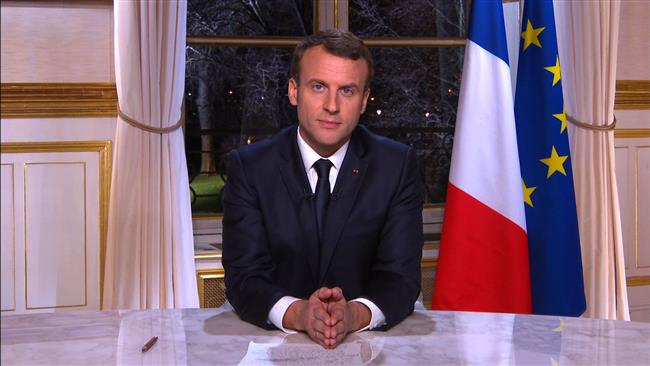
French President Emmanuel Macron will meet Russian leader Vladimir Putin in Moscow on Feb. 7 and the leader of Ukraine on Feb. 8 to discuss the Ukraine situation, as Western world leaders try and avoid a major conflict with Russia over Ukraine.
Macron’s office added he would meet Ukraine’s Volodymyr Zelensky in Kiev a day after his meeting with Putin.
Macron has said that finding a negotiated path towards de-escalating tensions over Ukraine was a priority, even as the United States has said it was sending 3,000 extra troops to Poland and Romania as Russia amassed troops near Ukraine.
Macron held separate phone calls with the Russian and Ukrainian leaders on Thursday to try to make progress on the status of the Donbass region as part of efforts to defuse tensions, said Macron’s office in a statement on Thursday.
That statement had also said Macron had underscored to Russia’s Vladimir Putin and Ukraine’s Volodymyr Zelensky the importance of discussing the conditions to reach strategic balance in Europe which would enable a reduction in tension on the ground and guarantee security on the continent.
The United States had also said on Thursday that Russia has formulated several options as an excuse to invade Ukraine, including the potential use of a propaganda video showing a staged attack, as the Kremlin condemned American troop deployments in the region.
Source: REUTERS













4, February 2022
Sako, Anu and Ayaba acting together to destroy the Ambazonia struggle 0
The disgraced Dr. Ikome Sako, the former Communications Secretary of the Ambazonia Interim Government, Chris Anu and the leader of one of the numerous armed militias in Southern Cameroons Dr. Cho Ayaba are working hand in hand to destroy the Southern Cameroons Interim Government-the only West Cameroon institution that is refusing to succumb to the Biya French Cameroun pressure.
The three have slowly but surely transformed into a pro French Cameroun political wing deep within the Southern Cameroons struggle and Cameroon Intelligence Report has gathered intelligence that the three men have ties to Yaoundé. However, we understand the exiled leader of the Ambazonia Interim Government, Vice President Dabney Yerima is reportedly developing a Southern Cameroons resistance front in Europe and the US capable of foiling the French Cameroun teleguided Sako, Anu and Cho Ayaba plots.
Dr. Ikome Sako, Cho Ayaba and Chris Anu are using fake face book accounts including WhatsApp contacts to deceive Southern Cameroonians in Ground One and Ground Zero that they are the genuine Ambazonian leaders in order to keep collecting money from Southern Cameroonians in the diaspora. They are currently running malicious acts of sabotage in Southern Cameroons seeking to destroy all what the Interim Government under the jailed President Sisiku Ayuk Tabe had achieved.
The happenings in Maryland is a clear indication that the more the money pours in from the Southern Cameroons diaspora in Europe and the US, the more those who claim to have taken over from Sisiku Julius Ayuk Tabe become wayward, irresponsible, and undisciplined.
Most of them think they can continue to use the Bible to blindfold Southern Cameroonians while others also believe that they are in charge of political affairs of a state that only exist on social media.
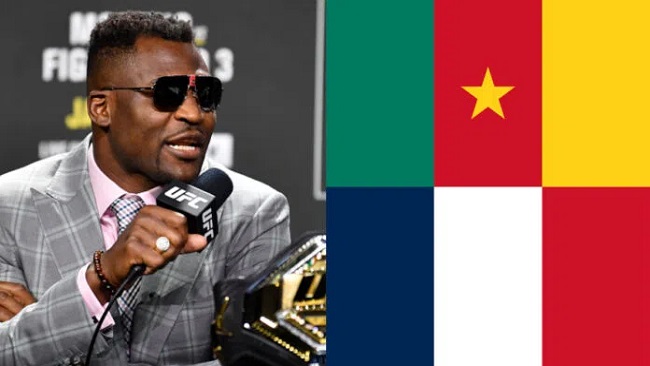
This is happening to a people who are fighting without any international support to protect their sovereignty with the blood of their children. The action of these Southern Cameroons gangsters is simply making a mockery of the Federal Republic of Ambazonia’s dignity and independence. Several Southern Cameroons elites can no longer watch the comedy that is unfolding and have started declaring allegiance to the Green, Red, Yellow flag.
Recently in Holland, Vice President Dabney Yerima opined that Southern Cameroonians particularly those in the diaspora can stand firm against these so-called front line leaders who are no longer interested in fighting the intimidated French Cameroun regime, but only to line their pockets. Yerima said the Ambazonia diaspora should starve them and make them to surrender.
Dabney Yerima stated that the Ambazonian nation is now a member of the freedom seeking front in the world and thus Southern Cameroonians must apply the policy of resistance against any corrupt figure deep within the struggle.
Sako, Chris and Ayaba are trading accusations and are using their surrogates to sling mud at each other. A lot of money is missing and none of them is capable of accounting for the money, though they have been happily running the accounts of their various groups be it Sako IG or AgovC. The mere mention of the word “audit” irritates them. These are the people who want to rule a new country.
The actions of these consortiums of Southern Cameroons crime syndicate are putting the lives of thousands of young men and woman who have opted to fight for an independent Southern Cameroons at risk.
A simple and peaceful protest by teachers and lawyers was mismanaged and was allowed to spiral out of control by a French backed French Cameroun regime that was not wont to hearing contrary views.
The protest by teachers and lawyers was a way Southern Cameroonians wanted La Republique du Cameroun to listen to their grievances and seek solutions which could douse the fire that was burning out of control in many their minds.
Years of political and economic marginalization had sown a violent storm in many minds in Southern Cameroons. However, the Southern Cameroons revolution may still be playing out, but it seems to be on its last leg.
By Soter Tarh Agbaw-Ebai